
The Breach and the Trading Accounts
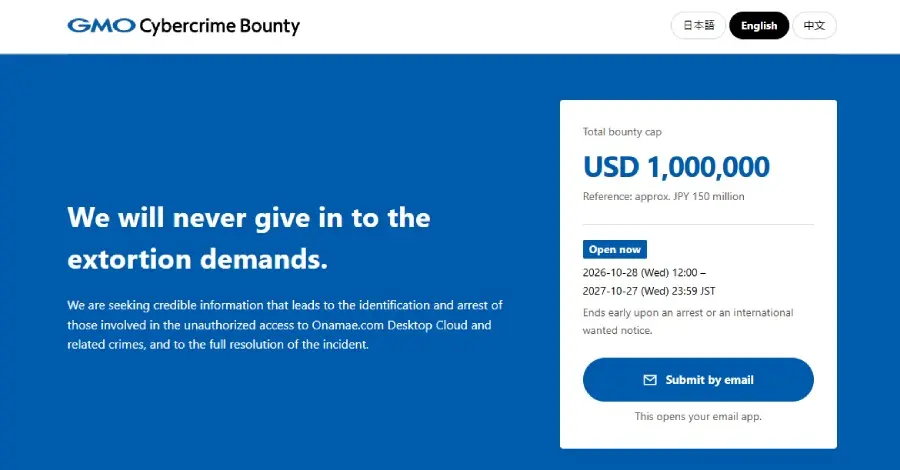
The timeline of the incident began on October 20, when GMO Internet, the subsidiary responsible for the Desktop Cloud service, detected the presence of malicious programs installed on a subset of customer servers. In an immediate attempt to contain the threat, the company suspended all server plans starting October 21. Initial assessments identified 26,739 servers as being potentially affected by the intrusion.
By October 24, a deeper forensic investigation confirmed the worst-case scenario: a significant security vulnerability had been exploited, leading to unauthorized system access and the exfiltration of sensitive customer data. Because the service involves providing full Windows desktop environments, any data stored by users on those servers was potentially compromised. This includes login credentials for widely used trading platforms such as MetaTrader 4 and MetaTrader 5 (MT4/MT5), which are often saved within the software for convenience.
The fallout was felt almost immediately within the trading community. On October 21, customers began reporting suspicious activity and trades they did not authorize. OANDA Japan, a prominent broker, later confirmed that third parties had successfully logged into several customer accounts using ID and password pairs believed to have been stolen from the GMO servers. OANDA has since moved to restrict trading on at least 500 accounts suspected of being at risk, while clarifying that its own internal systems remained secure.
Similarly, the broker FXTF issued a warning on October 22, noting that the credentials of customers using Virtual Private Servers (VPS) appeared to have been harvested in a broader attack targeting such services. FXTF advised its users who had utilized the GMO Desktop Cloud to immediately change their passwords using devices that had never been connected to the compromised service.
In a formal filing with the stock exchange on October 28, GMO Internet Group admitted that the full scope of the financial impact is still being calculated. The company has yet to confirm the total number of customers eligible for compensation or the full extent of the data that has been leaked.
The Threats and the Leak
The attackers have employed aggressive tactics beyond simple data theft. Following the breach, they issued a series of threats aimed at destabilizing GMO’s relationship with the broader financial sector. The group claimed they would continue to manipulate accounts across more than 70 different securities and FX firms and threatened to deploy ransomware against the individual PCs of GMO’s customers.
Furthermore, the attackers threatened to publish internal technical details of GMO’s infrastructure, a move intended to cause long-term reputational and operational damage. A deadline of noon on October 27 was set for the publication of customer data and the commencement of the ransomware wave. While the large-scale ransomware attack had not materialized by the afternoon of the 27th, the attackers did follow through on their threat to leak information.
ITmedia NEWS reported that on the afternoon of October 27, the attackers posted what they claimed to be the personal information of a GMO customer on their website. GMO has since been working to verify the authenticity of this data. The company has also warned that the attackers’ website was designed to collect information on anyone who visited it, prompting a recommendation for all visitors to perform comprehensive antivirus scans on their devices.
 Cybersecurity Basics & Security News
U.S. Authorities Seize Infrastructure Used in Massive North Korean Cryptocurrency Theft Campaigns
In a significant blow to the digital financing of sanctioned regimes, the...
 Cybersecurity Basics & Security News
Silent Breaches at AI Inference Providers Expose Sensitive Prompt Data Despite Privacy Flags
A significant security failure in the artificial intelligence supply chain has been...
 Cybersecurity Basics & Security News
Unmasking Lunex: The Rapid Expansion of a Sophisticated Malware-as-a-Service Platform Targeting Ukraine
The cybersecurity landscape is witnessing the emergence of a highly sophisticated Malware-as-a-Service...






