
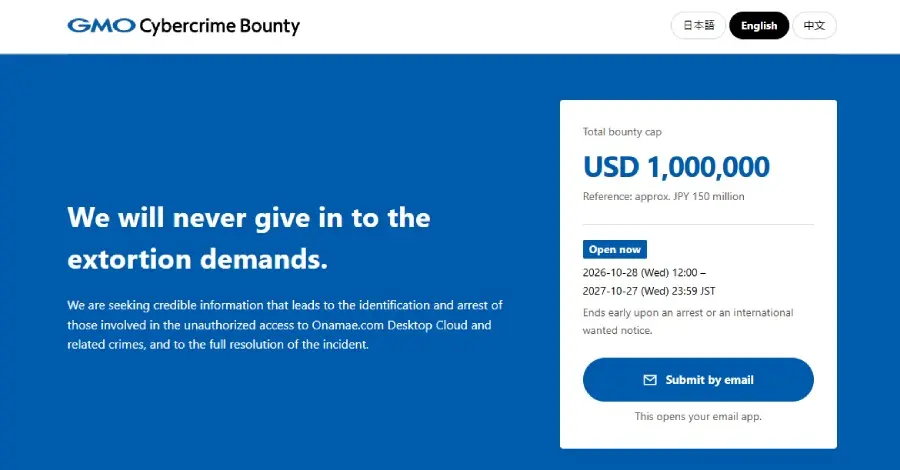

The original site used by the attackers, along with several mirror sites, was successfully taken down on the morning of October 28. However, GMO remains vigilant, promising to take swift action against any new domains the group might establish.
How the Attackers Got In
While a full technical post-mortem is still pending, early indications suggest that the breach may have been preventable. Masatoshi Kumagai, the head of GMO Internet Group, took to his personal blog on October 25 to express his frustration with the internal handling of the situation. He revealed that the group’s own internal team of "white-hat" hackers had previously identified vulnerabilities within the Desktop Cloud service and had warned the management team in charge.
According to Kumagai, the internal response to these warnings was insufficient. The failure to act quickly and thoroughly created a window of opportunity that the attackers were able to exploit. "The response was neither fast nor thorough enough," Kumagai wrote, highlighting a lapse in corporate security protocols.
The attackers themselves have made several claims regarding the service’s architecture. They alleged that a single administrator account was shared across all customer servers and that, by default, the local drives of a customer’s own PC were visible to the remote server upon connection. If true, these configurations would have allowed the attackers to move laterally from the breached cloud environment directly into the private devices of users. While GMO has not confirmed these specific technical claims, the company has been collecting PCs from affected customers for forensic analysis. As of late October, no malware or ransomware has been found on the devices analyzed so far, though the investigation is ongoing.
Remediation and Future Outlook
In an effort to mitigate the damage to its reputation and provide relief to its users, GMO Internet Group has outlined a compensation plan. Every current user of the affected service will receive a baseline payment of ¥5,000. For those whose data is confirmed to have been leaked, additional payments ranging from ¥10,000 to ¥25,000 will be issued, depending on the sensitivity of the information exposed.
Crucially, the company has committed to covering actual trading losses and associated fees for any trades confirmed to be unauthorized results of the breach. This is a significant undertaking given the volatility of the FX market and the potential for large-scale losses.
The Onamae.com Desktop Cloud service in its current form will not be restored. GMO has stated that the breached systems are fundamentally compromised and will not be restarted. Instead, customers who require remote desktop solutions will be offered a transition to a separate, secure service. This move will be provided free of charge for six months, though it requires the explicit consent of the customers.
As the legal and forensic investigations continue, the GMO Cybercrime Bounty stands as a high-profile experiment in corporate-led criminal investigation. By placing a $1 million price tag on the heads of the attackers, GMO is signaling that the cost of targeting its infrastructure now includes the risk of a globally incentivized manhunt.
 Cybersecurity Basics & Security News
Bridging the Security Gap: Why Modern Enterprises are Moving Beyond Traditional Vulnerability Management
In the rapidly evolving landscape of cybersecurity, a critical finding can traverse...
 Cybersecurity Basics & Security News
Chainalysis Targeted in Cybersecurity Breach Involving Advanced AI-Driven Offensive Techniques
In a disclosure that underscores the escalating sophistication of the modern threat...
 Cybersecurity Basics & Security News
Italy’s Privacy Regulator Fines Meta €805 Million Over Facebook’s Unauthorized Access to User Photo Galleries
In a landmark decision that highlights the tightening grip of European regulators...







