
The relationship between video games and 3D printing has long been defined by a vibrant, underground community of makers. For years, dedicated fans have spent countless hours reverse-engineering digital assets or sculpting original fan art to bring their favorite characters and items into the physical world. However, a significant shift is occurring within the industry. Recognizing the passion of the maker community and the growing accessibility of high-quality desktop manufacturing, major game studios are increasingly stepping into the fray. Rather than leaving the creation of physical replicas to third-party enthusiasts, developers are now releasing official, high-fidelity 3D printing models, providing fans with a direct bridge from the digital screen to the display shelf.
This evolution in community engagement was highlighted recently by a series of high-profile releases from studios like Wube Software, Gearbox, and Capcom. By providing official STL files, these developers ensure that the physical manifestations of their intellectual property meet the same rigorous design standards as the games themselves. This week, we take an in-depth look at the most significant official 3D printing collaborations and releases that are currently shaping the landscape for gamers and makers alike.
Factorio: A Synergy of Automation and Manufacturing
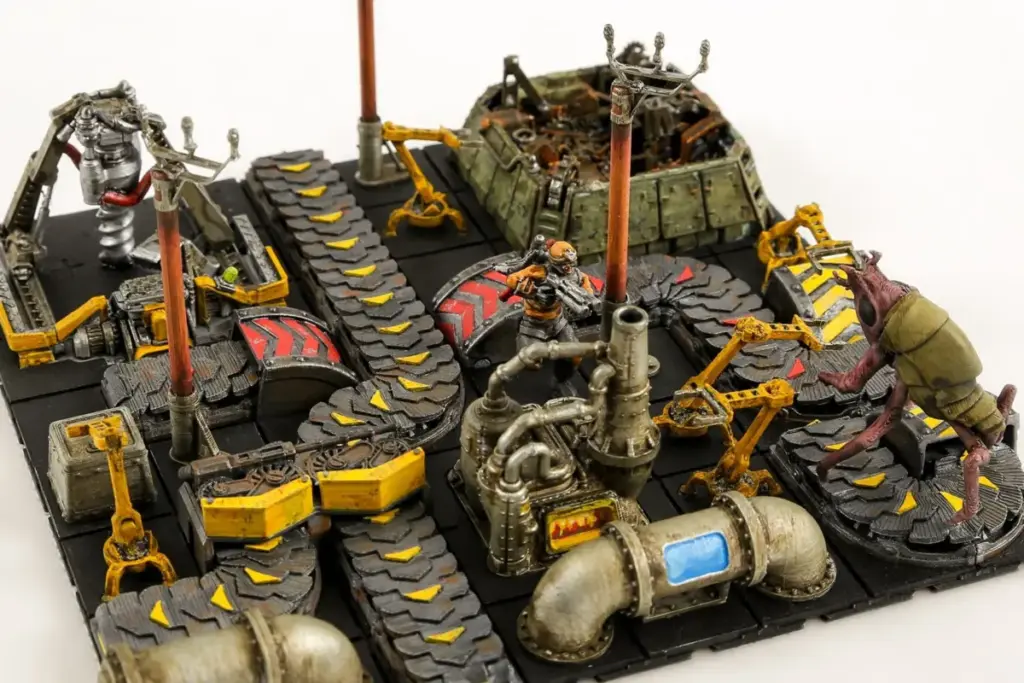
The connection between Factorio and 3D printing is perhaps the most natural fit in the entire gaming industry. Wube Software’s hit title is built entirely around the concepts of resource extraction, factory automation, and the optimization of production lines. For many players, the transition from managing a virtual factory to operating a physical 3D printer feels like a logical extension of the game’s core loop.
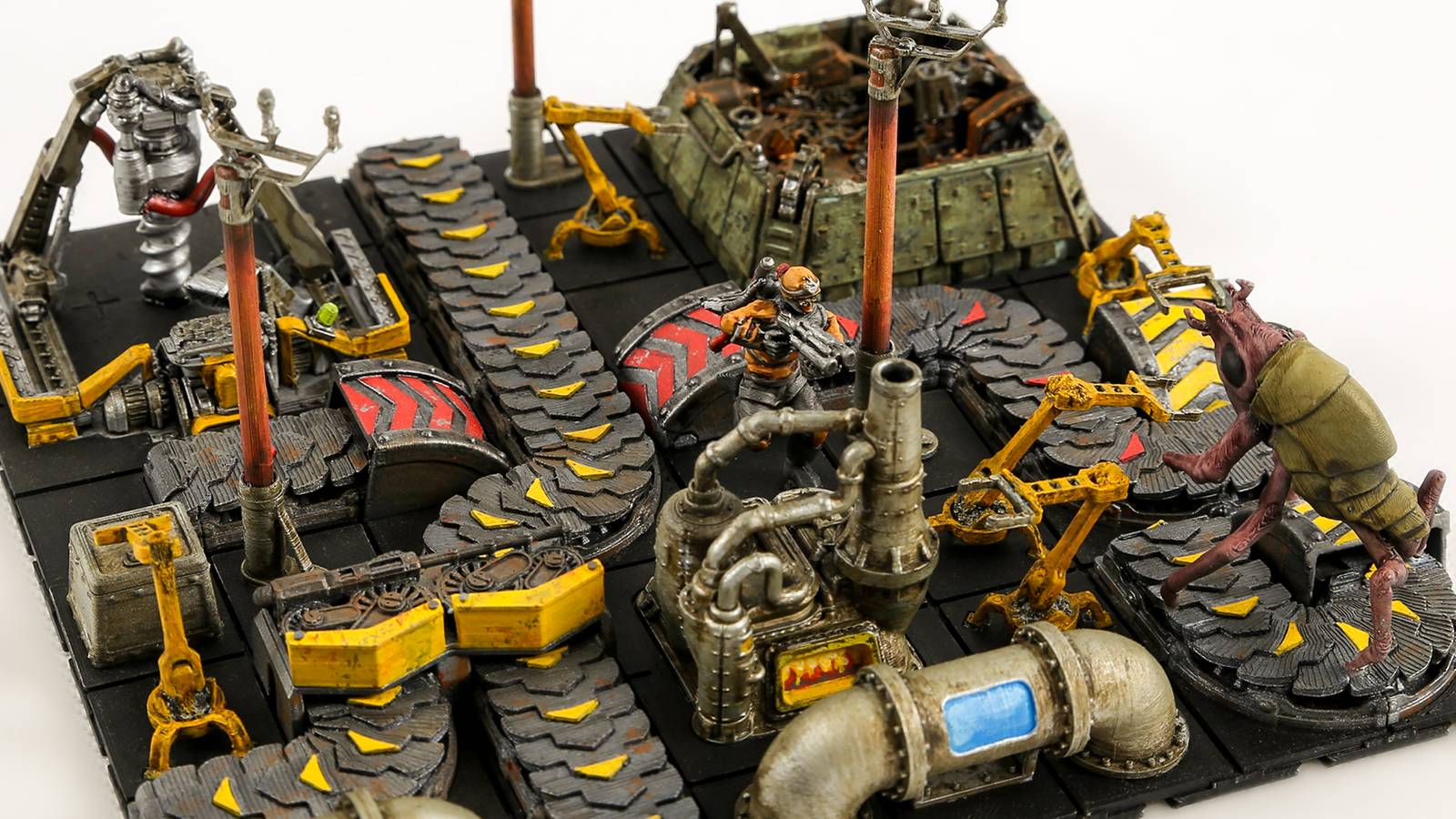
The journey toward official Factorio models began in earnest during the summer of 2024. As Wube Software conducted intensive playtests for the highly anticipated Space Age expansion pack, they invited their neighbors from Prusa Research—one of the world’s leading manufacturers of 3D printers—to join the event. During this collaboration, a simple model of a "Wriggler" was designed and printed on-site, serving as a proof of concept for what a larger partnership could look like.
Fast forward to late 2026, and that initial spark has evolved into a comprehensive digital library. Wube Software has officially released a diverse array of models on the Printables platform, allowing fans to recreate the intricate machinery and alien threats of Factorio at home. The collection includes 15 distinct releases, featuring everything from the game’s iconic structures to various iterations of the creatures that inhabit its hostile world.
These models are designed with the same attention to detail found in the game’s sprite work. For the uninitiated, Factorio challenges players to build and maintain massive industrial complexes on an alien planet, fending off increasingly aggressive indigenous lifeforms. The official 3D models allow players to construct physical "shrines" to their logistical achievements, bringing the satisfying, addictive nature of the game into a tangible format. Whether it is a small desk ornament or a modular factory layout, these official files represent a landmark moment in developer-supported maker culture.
Borderlands 4: Bringing the Vault to Life
While Factorio focuses on the macro-level of industrial design, Gearbox Software’s Borderlands franchise has always been defined by its bold, cel-shaded aesthetic and its "looter-shooter" identity. With the release of Borderlands 4 in 2025, Gearbox took an aggressive approach to supporting the cosplay and collector communities by releasing seven official collections on Printables.

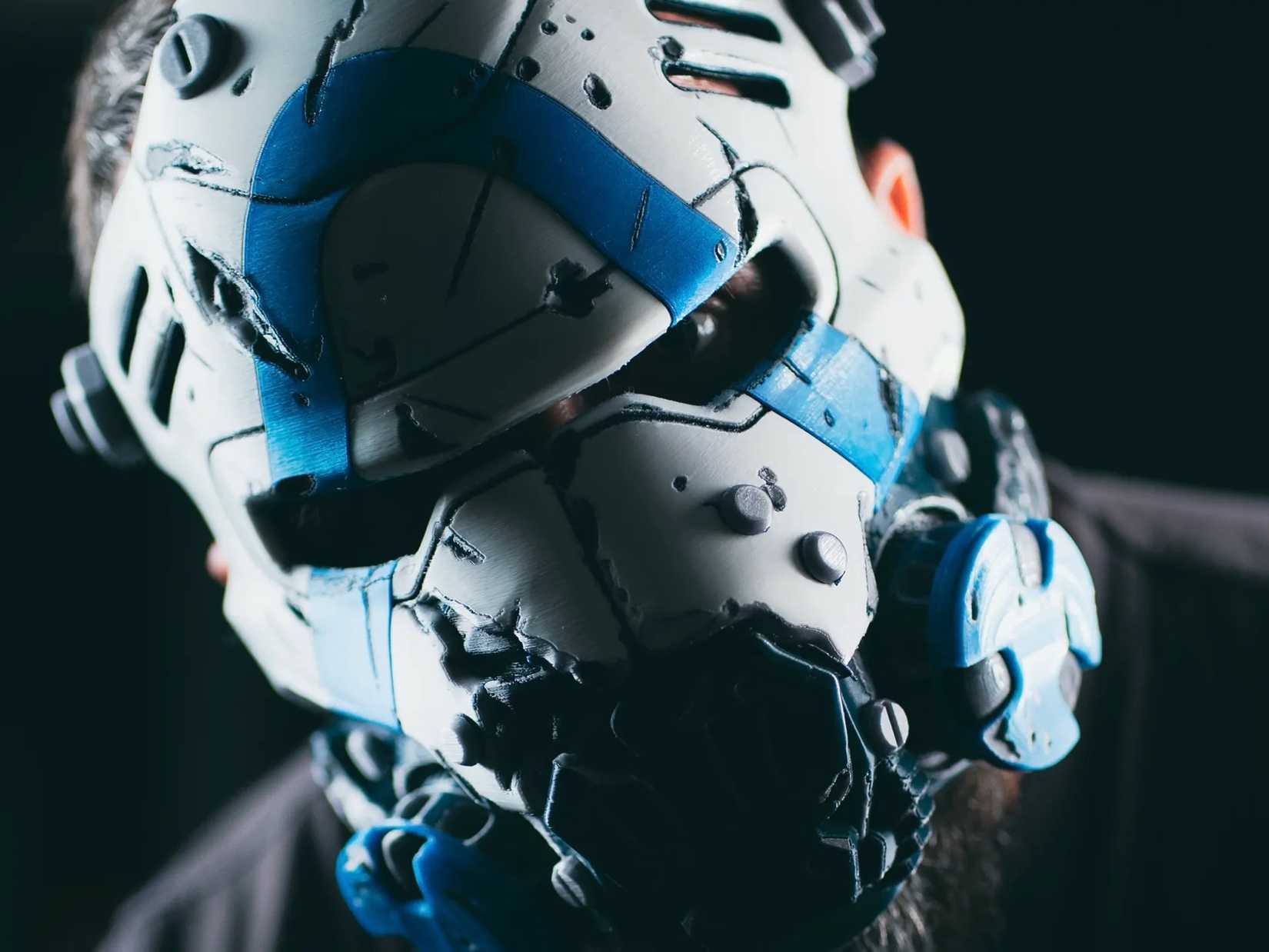
The Borderlands universe is famous for its eccentric characters and wildly imaginative weaponry, making it a perennial favorite at gaming conventions. Historically, cosplayers had to rely on community-made files of varying quality. By releasing official "Cosplay Kits," Gearbox has provided the community with a gold standard for accuracy. Among the most popular releases is the famed Ripper Mask, an iconic piece of headgear that has become synonymous with the series’ chaotic world.
Beyond masks, the studio has provided detailed kits for the game’s new heroes, including Harlowe the Gravitar and the Timekeeper. These kits are more than just static statues; they are designed as prop-making foundations. Perhaps the most impressive entry in the collection is the Maliwan SMG. Known for its sleek, futuristic round shapes and elemental capabilities, the Maliwan brand is a fan favorite. The official 3D model captures the complex geometry of the weapon, providing a perfect canvas for makers to apply the series’ signature "inked" art style through post-processing and painting.
This move by Gearbox highlights a growing trend where game development assets are being optimized specifically for 3D printing. These aren’t merely raw game files; they are models that have been "manifolded" and tested to ensure they can be printed successfully on consumer-grade machines, reducing the barrier to entry for fans who may be new to the hobby.
Cyberpunk 2077: Fashioning the Future of Night City
CD Projekt Red’s Cyberpunk 2077 has undergone one of the most remarkable transformations in gaming history. After a rocky launch, the game evolved through numerous updates, the massive Phantom Liberty expansion, and the critically acclaimed Edgerunners animated series. Today, it stands as a definitive pillar of the cyberpunk genre, adored for its deep world-building and distinct "style over substance" philosophy.
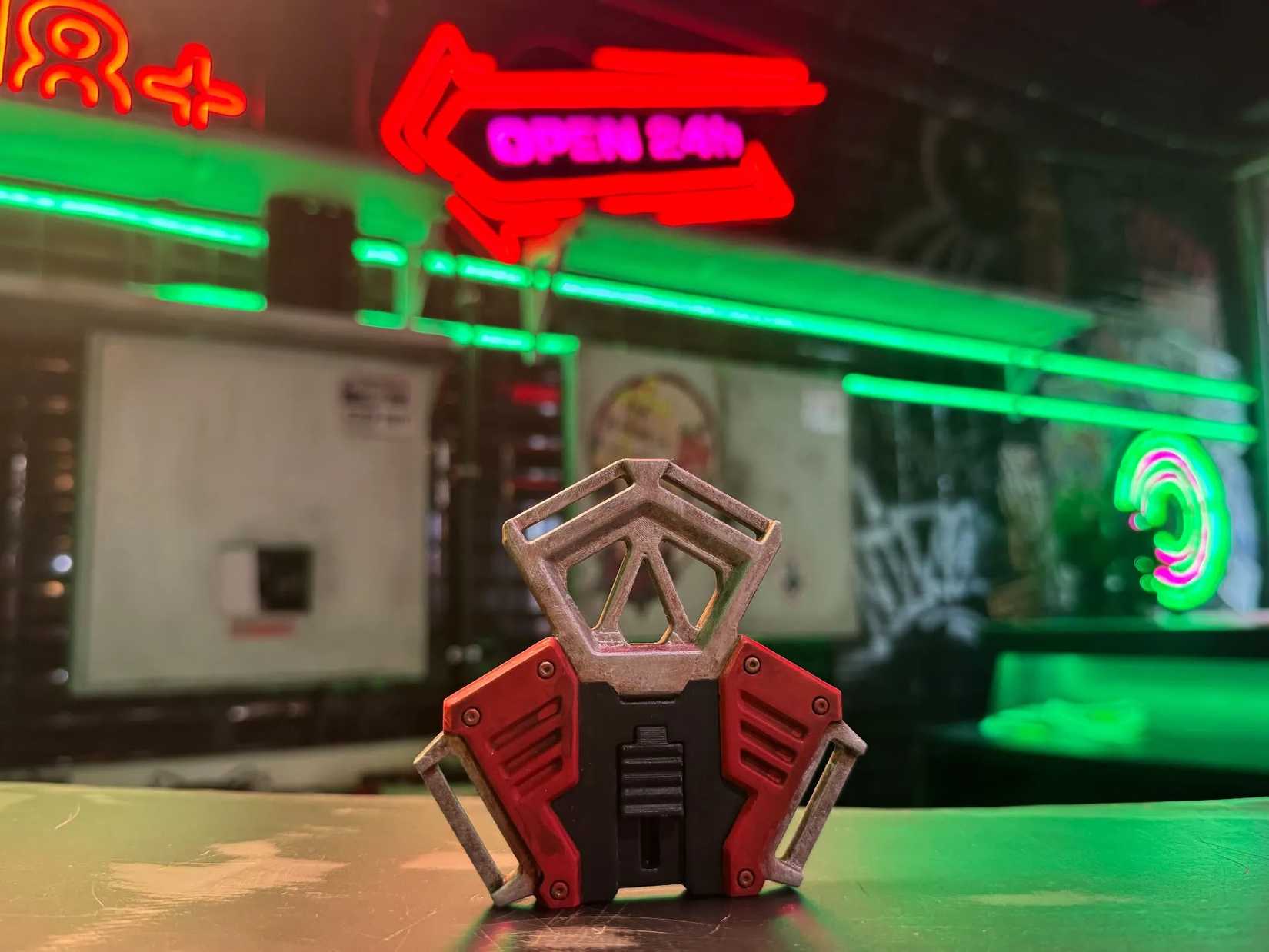
The fashion and technology of Night City are central to the Cyberpunk experience, and CD Projekt Red has leaned into this by releasing official hardware models for the maker community. For fans looking to embody the "Merc" lifestyle, the studio has made several key pieces of "cyberware" and tactical gear available for download.
The official collection includes V’s crash pads, which are essential for any authentic protagonist cosplay, as well as more niche items like Judy’s MRAM (Memory Random Access Memory) units. For those looking for a more rugged aesthetic, the studio also released Rogue’s reactive armor panels. These models allow fans to move beyond simple t-shirts and posters, enabling them to create wearable, physical versions of the technology that defines the year 2077. This official support serves as a testament to the game’s enduring legacy and the studio’s commitment to its most dedicated fans.
Pragmata: A Glimpse of Capcom’s Quirky Companion
Capcom’s Pragmata, released in 2026, has captured the imagination of gamers with its unique blend of sci-fi action and unconventional mechanics. Often compared to the experimental titles of the Xbox 360 era, the game features a combat system that requires players to engage in puzzle-based hacking mini-games to strip away enemy armor before dealing damage.
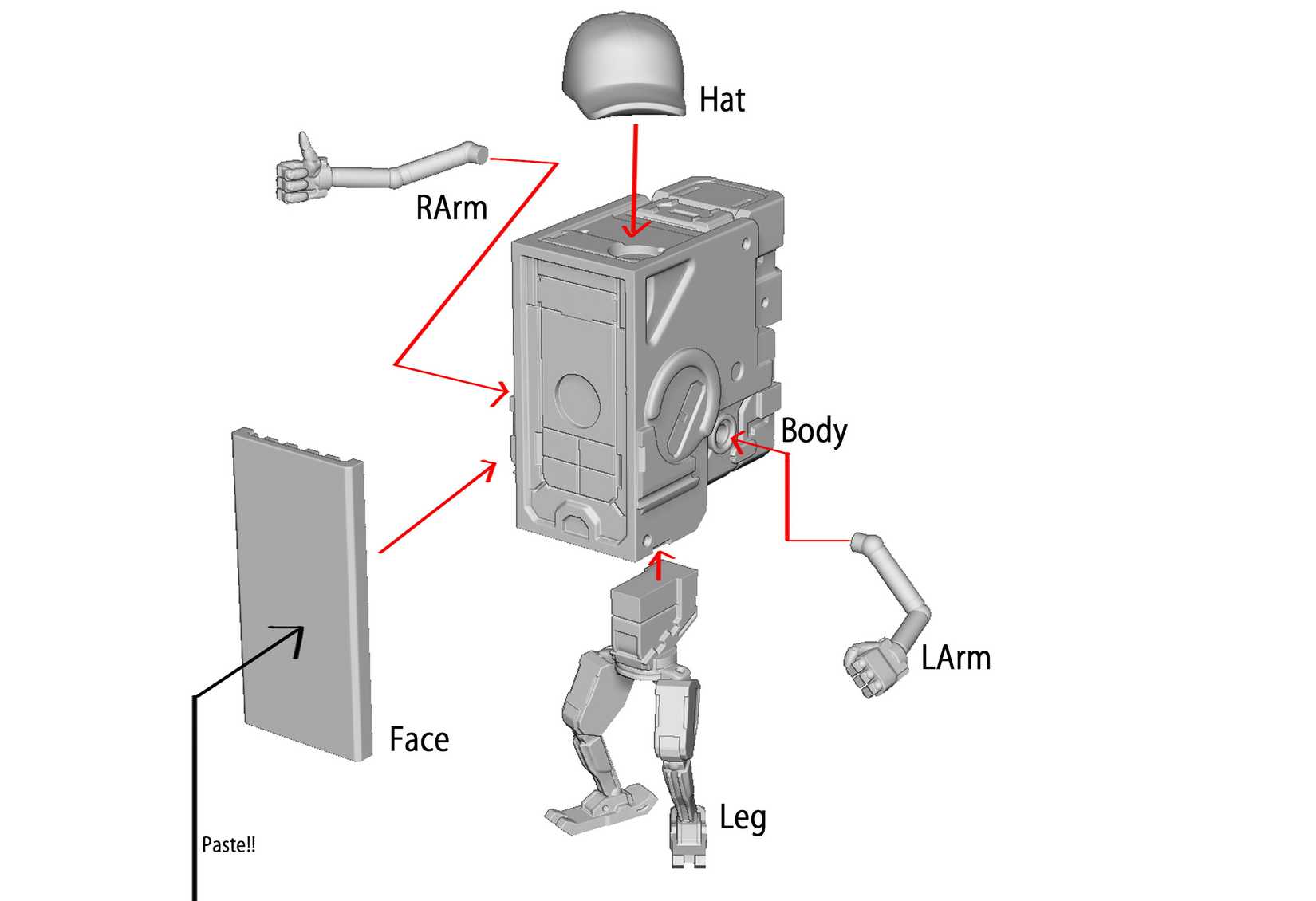
To celebrate the game’s world, Capcom has taken a targeted approach to 3D printing by releasing a high-quality model of "Cabin." In the game, Cabin is a helper bot that assists the player through various challenges. Recognizing the character’s "cute-yet-functional" appeal, Capcom made the STL files available directly through their official media channels.
The Cabin model is particularly interesting because it encourages interactivity. The files include different facial expressions that can be printed and swapped out, allowing fans to customize their bot’s personality. This level of official engagement from a major Japanese publisher like Capcom is a significant indicator that the 3D printing trend is a global phenomenon within the gaming industry.
Rust and the Premium Licensed Model Market
While many studios offer files for free as a marketing tool, the survival hit Rust has explored a different path: the premium licensed model market. Originally emerging during the survival game boom of the mid-2010s, Rust has maintained a massive, loyal player base through its brutal, player-driven narrative and "scavenged" aesthetic.
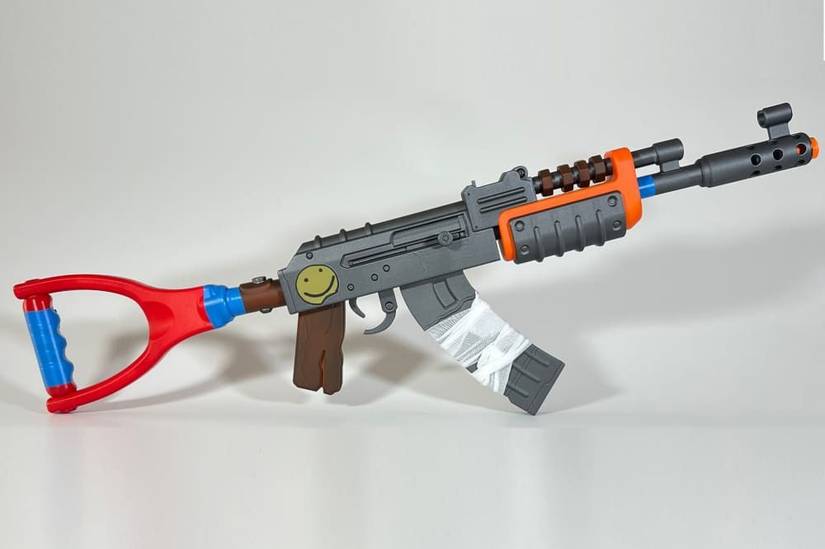
Facepunch Studios, in collaboration with the creator "Lootroom," has established a presence on Cults3D to offer officially licensed models. The Rust aesthetic is defined by its makeshift nature—weapons held together by duct tape and tools fashioned from salvaged scrap. This translates beautifully into the world of 3D printing, where textures and "imperfections" add to the realism of a prop.
The Rust collection includes the iconic assault rifle featuring a spade handle and the game’s various protective face masks. Unlike the free promotional files from other studios, these are premium models ranging from $12 to $25. This model suggests a future where high-end, officially licensed 3D printing files could become a standard form of digital merchandise, allowing fans to "buy" the right to manufacture their own high-quality collectibles.
Bethesda and Modiphius: Wargaming in the Wasteland
The intersection of 3D printing and tabletop gaming is perhaps where the technology has had the greatest impact. Modiphius, a company known for producing officially licensed tabletop adaptations of major franchises, has brought Bethesda’s most beloved IPs—Fallout and The Elder Scrolls—to the 3D printing world.
Through their Wasteland Warfare and Call to Arms series, Modiphius offers a hybrid approach to hobbyism. While fans can purchase pre-cast resin miniatures, the company also sells official STL files for those who prefer to print their armies at home. This is particularly useful for terrain and larger "bolt-on" items that would be expensive to ship but are perfect for a home 3D printer.
The Fallout: Wasteland Warfare models are scaled to 32mm, the standard for modern wargaming, ensuring that home-printed models are compatible with official game pieces. Whether it’s a T-60 Power Armor suit or a Deathclaw, these files allow players to expand their tabletop experience infinitely. For The Elder Scrolls fans, the Call to Arms files offer the same level of detail, bringing the dragons and draugr of Skyrim to the tabletop.
This collaboration between a major IP holder (Bethesda), a game designer (Modiphius), and the end-user represents a sophisticated ecosystem. It acknowledges that for many fans, the act of printing and painting a model is just as important as the act of playing the game itself.
As 3D printing technology continues to advance, with faster print speeds and higher resolutions becoming more affordable, the barrier between digital assets and physical objects will continue to thin. The move by studios like Wube, Gearbox, and Capcom to provide official models is a clear sign that the industry views the maker community not as a threat to traditional merchandising, but as a vital part of the modern fan experience. For the gamer with a 3D printer, the world has never been more full of possibilities.
 Tech Tutorials & How-To Guides
Asustor Lockerstor 2 Gen2+ NAS Review: A High-Security Storage Solution for Power Users and Small Businesses
In the rapidly evolving landscape of network-attached storage (NAS), the market is...
 Tech Tutorials & How-To Guides
The Mechanical Resilience of the Hard Disk Drive: Utilizing Hook-and-Loop Fasteners to Combat Vibration and Extend Hardware Longevity
In an era increasingly dominated by the blistering speeds of NVMe solid-state...
 Tech Tutorials & How-To Guides
Low-Cost Innovation: How DIY ESP32 Projects are Transforming Smart Home Economics and Sustainability
The landscape of home automation has undergone a radical shift over the...







