
Rust and the Premium Licensed Model Market
While many studios offer files for free as a marketing tool, the survival hit Rust has explored a different path: the premium licensed model market. Originally emerging during the survival game boom of the mid-2010s, Rust has maintained a massive, loyal player base through its brutal, player-driven narrative and "scavenged" aesthetic.
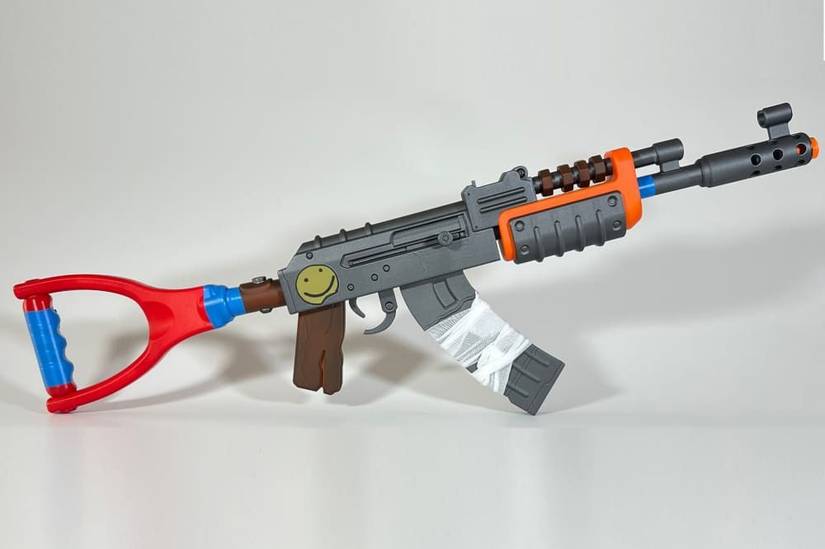
Facepunch Studios, in collaboration with the creator "Lootroom," has established a presence on Cults3D to offer officially licensed models. The Rust aesthetic is defined by its makeshift nature—weapons held together by duct tape and tools fashioned from salvaged scrap. This translates beautifully into the world of 3D printing, where textures and "imperfections" add to the realism of a prop.
The Rust collection includes the iconic assault rifle featuring a spade handle and the game’s various protective face masks. Unlike the free promotional files from other studios, these are premium models ranging from $12 to $25. This model suggests a future where high-end, officially licensed 3D printing files could become a standard form of digital merchandise, allowing fans to "buy" the right to manufacture their own high-quality collectibles.
Bethesda and Modiphius: Wargaming in the Wasteland
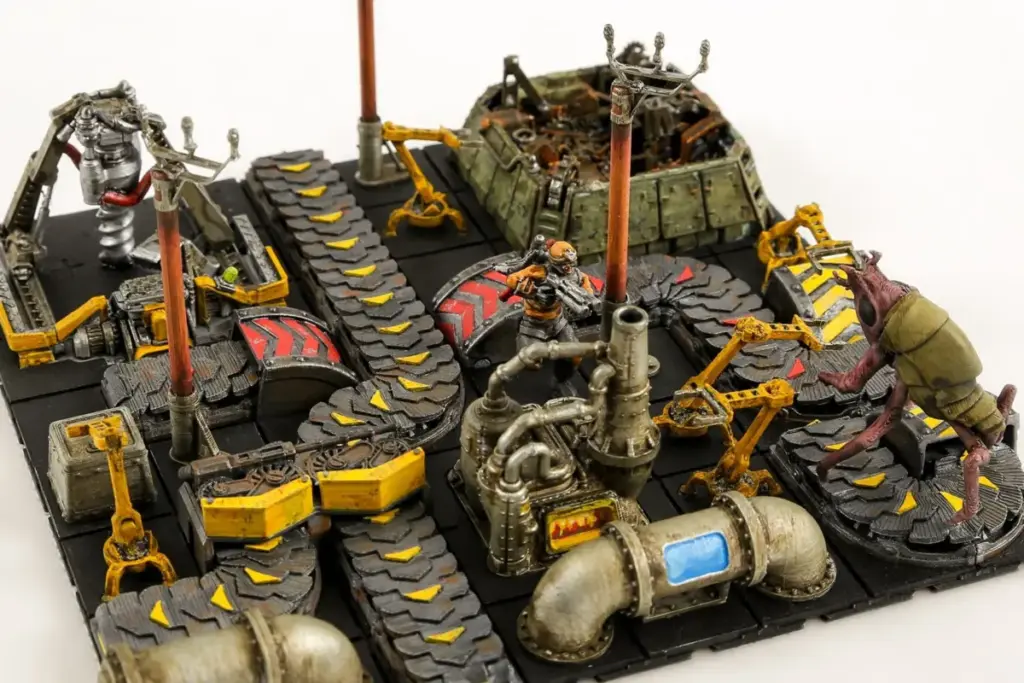
The intersection of 3D printing and tabletop gaming is perhaps where the technology has had the greatest impact. Modiphius, a company known for producing officially licensed tabletop adaptations of major franchises, has brought Bethesda’s most beloved IPs—Fallout and The Elder Scrolls—to the 3D printing world.
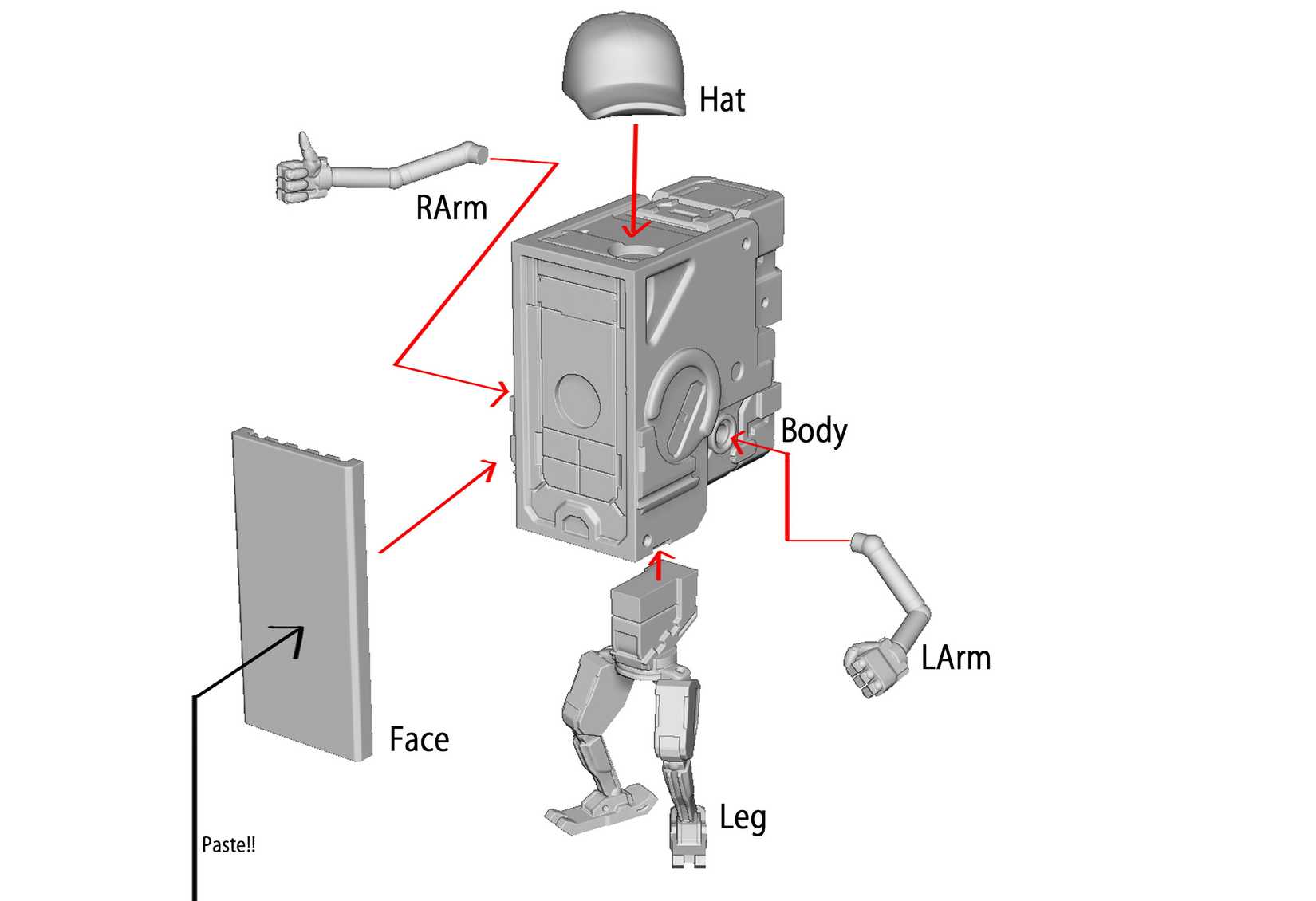
Through their Wasteland Warfare and Call to Arms series, Modiphius offers a hybrid approach to hobbyism. While fans can purchase pre-cast resin miniatures, the company also sells official STL files for those who prefer to print their armies at home. This is particularly useful for terrain and larger "bolt-on" items that would be expensive to ship but are perfect for a home 3D printer.
The Fallout: Wasteland Warfare models are scaled to 32mm, the standard for modern wargaming, ensuring that home-printed models are compatible with official game pieces. Whether it’s a T-60 Power Armor suit or a Deathclaw, these files allow players to expand their tabletop experience infinitely. For The Elder Scrolls fans, the Call to Arms files offer the same level of detail, bringing the dragons and draugr of Skyrim to the tabletop.
This collaboration between a major IP holder (Bethesda), a game designer (Modiphius), and the end-user represents a sophisticated ecosystem. It acknowledges that for many fans, the act of printing and painting a model is just as important as the act of playing the game itself.
As 3D printing technology continues to advance, with faster print speeds and higher resolutions becoming more affordable, the barrier between digital assets and physical objects will continue to thin. The move by studios like Wube, Gearbox, and Capcom to provide official models is a clear sign that the industry views the maker community not as a threat to traditional merchandising, but as a vital part of the modern fan experience. For the gamer with a 3D printer, the world has never been more full of possibilities.
 Tech Tutorials & How-To Guides
Bridging the Security Gap: Replicating the YubiKey Experience with a $6 ESP32 Microcontroller
In an era where digital identity is under constant siege from sophisticated...
 Tech Tutorials & How-To Guides
Google Transitions Beyond Chromebooks: A Deep Look at the New Googlebook OS and Its Enhanced Local File Management
The landscape of portable computing has undergone a seismic shift with the...
 Tech Tutorials & How-To Guides
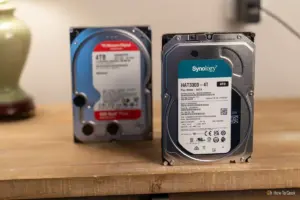
The Mechanical Resilience of the Hard Disk Drive: Utilizing Hook-and-Loop Fasteners to Combat Vibration and Extend Hardware Longevity
In an era increasingly dominated by the blistering speeds of NVMe solid-state...







