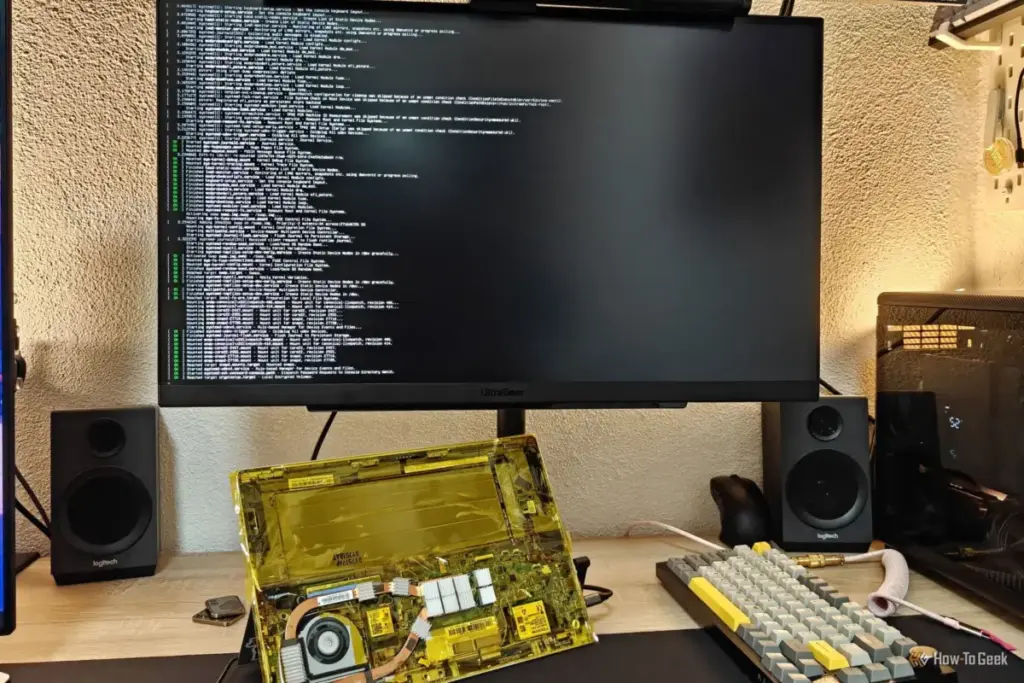
Because the internal storage was limited, the server’s capacity was expanded using a 6TB external hard drive connected via USB. This allowed for the curation of a massive media library. To manage this library, the "Arr" suite of applications—Sonarr, Radarr, and Bazarr—was installed to automate the organization and subtitling of content. While the i5-7200U is not a powerhouse for 4K video transcoding, its support for Intel Quick Sync Video (QSV) allows it to handle 1080p streams with ease, providing a smooth viewing experience on phones, tablets, and smart TVs throughout the house.
It Now Runs Practically Everything in My Home
As the owner’s confidence in the stability of the platform grew, so did the list of responsibilities assigned to the old Lenovo. The server now hosts a variety of critical infrastructure tools that have fundamentally changed the home’s digital environment:
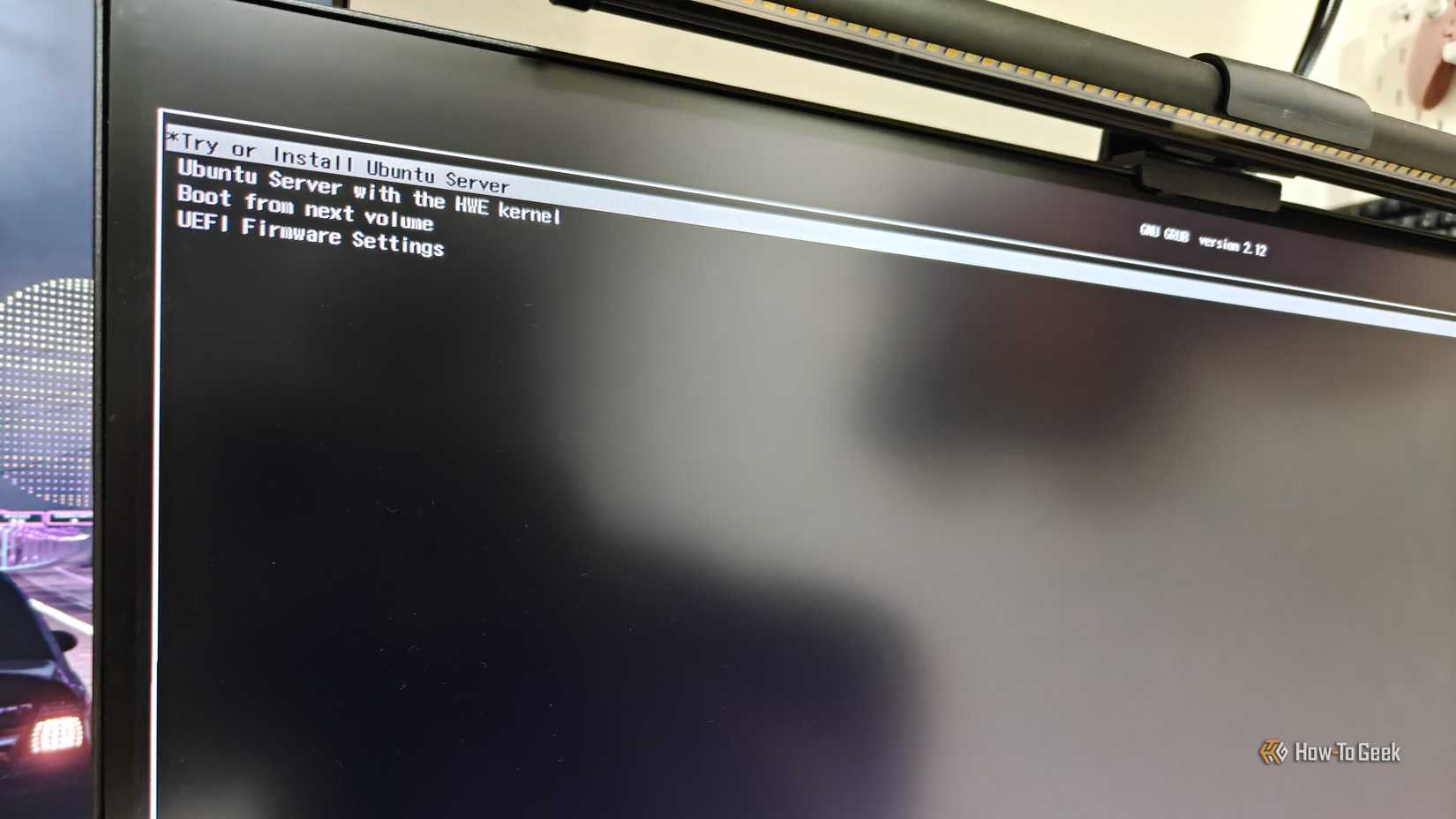
- AdGuard Home: This service acts as a network-wide DNS filter. By routing all home traffic through the server, ads and trackers are blocked at the source before they ever reach a browser or an app. This not only cleans up the web experience on every device but also reduces bandwidth consumption.
- Immich: To move away from reliance on big-tech cloud storage, Immich was deployed as a self-hosted alternative to Google Photos. It provides a high-performance interface for backing up and viewing photos directly from mobile devices to the server’s 6TB drive.
- Home Assistant: The laptop now serves as the brain of the home’s smart devices. Home Assistant allows for the integration of various smart lights, sensors, and appliances into a single, locally controlled dashboard, removing the need for multiple proprietary apps and cloud dependencies.
Managing the hardware for 24/7 operation required some physical adjustments. During the heat of summer, the laptop’s original cooling system remained a weak point. To prevent thermal throttling, the owner applied a DIY cooling solution consisting of external heatsinks and a dedicated fan to maintain airflow over the chassis. Furthermore, to address safety concerns regarding "battery swelling"—a common issue when laptops are left plugged in indefinitely—the internal battery was physically removed. The machine now runs exclusively on AC power, eliminating the fire risk and further streamlining the internal airflow.
Sometimes You Just Need to Give Your Old Hardware a New Purpose
The success of this project serves as a compelling argument for the repurposing of "obsolete" technology. What was once a source of frustration—a slow, hot, and broken laptop—has become an indispensable asset. The Lenovo Miix 510, despite its cracked screen and meager 4GB of RAM, provides a level of utility that far exceeds its meager resale value.
By shifting the workload from a heavy, consumer-facing OS to a streamlined, server-grade environment, the hardware was given a new lease on life. It is a reminder that the "value" of a device is not always found in its ability to run the latest version of Windows, but in its ability to perform a specific set of tasks reliably. For this household, the old laptop is no longer e-waste; it is the foundation of their digital lives, proving that with a little ingenuity and a copy of Linux, even the most broken machines can find a way to be useful again.
 Tech Tutorials & How-To Guides
Windows 11 Search Receives Major Performance Overhaul as Microsoft Finally Addresses Long-Standing User Complaints
For years, the search functionality within Windows has been a point of...
 Tech Tutorials & How-To Guides
Best Buy Slashes Price of WD_BLACK SN850P 2TB SSD in Major Doorbuster Deal
The perennial struggle of the modern gamer is not found in the...
 Tech Tutorials & How-To Guides
Navigating the Linux Recovery Landscape: Essential Boot Options for System Restoration and Troubleshooting
The Linux operating system is frequently celebrated for its stability, modularity, and...