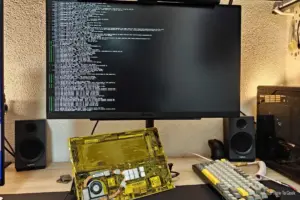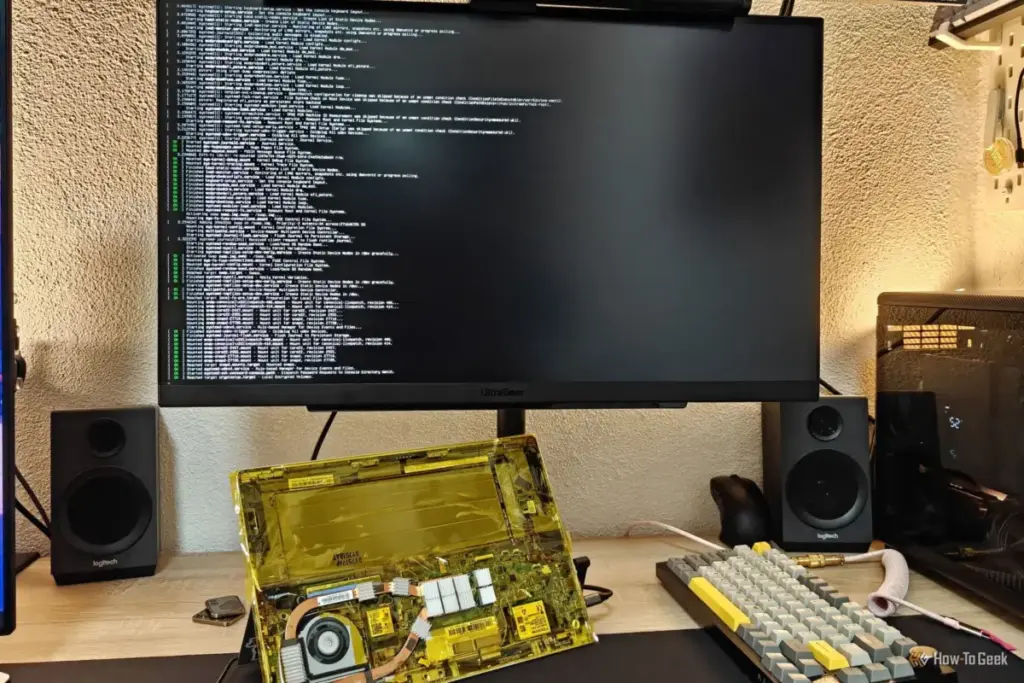
In an era of rapid technological cycles, the transition of a once-capable device into "electronic waste" is often a swift and unceremonious process. For many, a laptop with a cracked screen and an aging processor is a candidate for the recycling bin or a permanent residence in a cluttered drawer. However, as the burgeoning community of "homelabbing" enthusiasts continues to demonstrate, hardware that is no longer fit for the demands of modern consumer operating systems can often find a second life in the world of specialized server applications.
This was the case for a Lenovo Miix 510, a 2-in-1 convertible laptop released in 2016. After years of service, the machine had been relegated to a laptop bag, dismissed as a lost cause. It was underpowered, physically damaged, and seemingly obsolete. Yet, through the installation of Ubuntu Server and a shift in perspective, this "worthless" piece of hardware has been transformed into the central nervous system of a modern household, handling everything from media streaming to network-wide security.
My Old Windows 10 Laptop Was Too Slow, Too Hot, and Eventually Too Broken to Use
The journey of this particular Lenovo Miix 510 mirrors the lifecycle of many mid-range portables from the mid-2010s. When it was first unboxed, it represented a versatile form factor—a tablet-first design with a detachable keyboard, intended to compete with the likes of the Microsoft Surface Pro. Under the hood, it featured an Intel Core i5-7200U processor, a dual-core, four-thread chip from the Kaby Lake generation. While respectable at the time, its maximum boost clock of 3.10GHz and its reliance on just 4GB of RAM eventually became its Achilles’ heel.
As the years progressed, the demands of Windows 10 began to outpace the Miix 510’s capabilities. The operating system, known for its background processes and resource-heavy telemetry, frequently pushed the dual-core CPU to its limits. Even simple tasks like maintaining multiple Chrome tabs or streaming high-definition video became arduous. The device’s physical design exacerbated these issues; the thin chassis and diminutive heatsink meant the fan was often at full tilt, struggling to dissipate the heat generated by a processor that was constantly redlining.

The situation reached a breaking point when the hardware began to fail physically. The integrated display began to flicker and turn black intermittently, suggesting a loose or failing internal display cable. In an attempt to perform a DIY repair, a common pitfall occurred: while prying the chassis open to reach the internal components, the glass screen succumbed to the pressure and cracked. With a broken display, a worn-out battery, and a processor that Intel and Microsoft had excluded from the official Windows 11 support list, the laptop was effectively retired. For two years, it sat unused, a victim of both planned obsolescence and accidental damage.
It Had Been Collecting Dust for Two Years
The decision to let the laptop sit idle was driven by a lack of viable options. The cost of a replacement screen assembly for the Miix 510 often exceeded the market value of the laptop itself, making a repair economically irrational. Furthermore, the 128GB NVMe SSD, while fast, was too small for modern storage needs, and the soldered 4GB of RAM meant that there was no path for a performance upgrade within the Windows ecosystem.
 Tech Tutorials & How-To Guides
Exploring the Frontiers of the Unknown: Three Essential Science Fiction Films to Stream on Netflix This Weekend
As the autumn of 2026 unfolds, the digital landscape of the American...
 Tech Tutorials & How-To Guides
The Enduring Legacy of Connectivity: Why Decades-Old Ports Still Dominate Modern Technology
In an era defined by rapid technological obsolescence, where smartphones are replaced...
 Tech Tutorials & How-To Guides
Streaming Giants and Broadcast Legends: The Top Five Shows to Watch This Weekend
As the final weekend of October 2026 approaches, the digital landscape of...