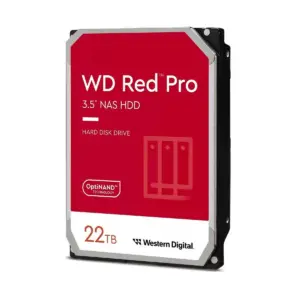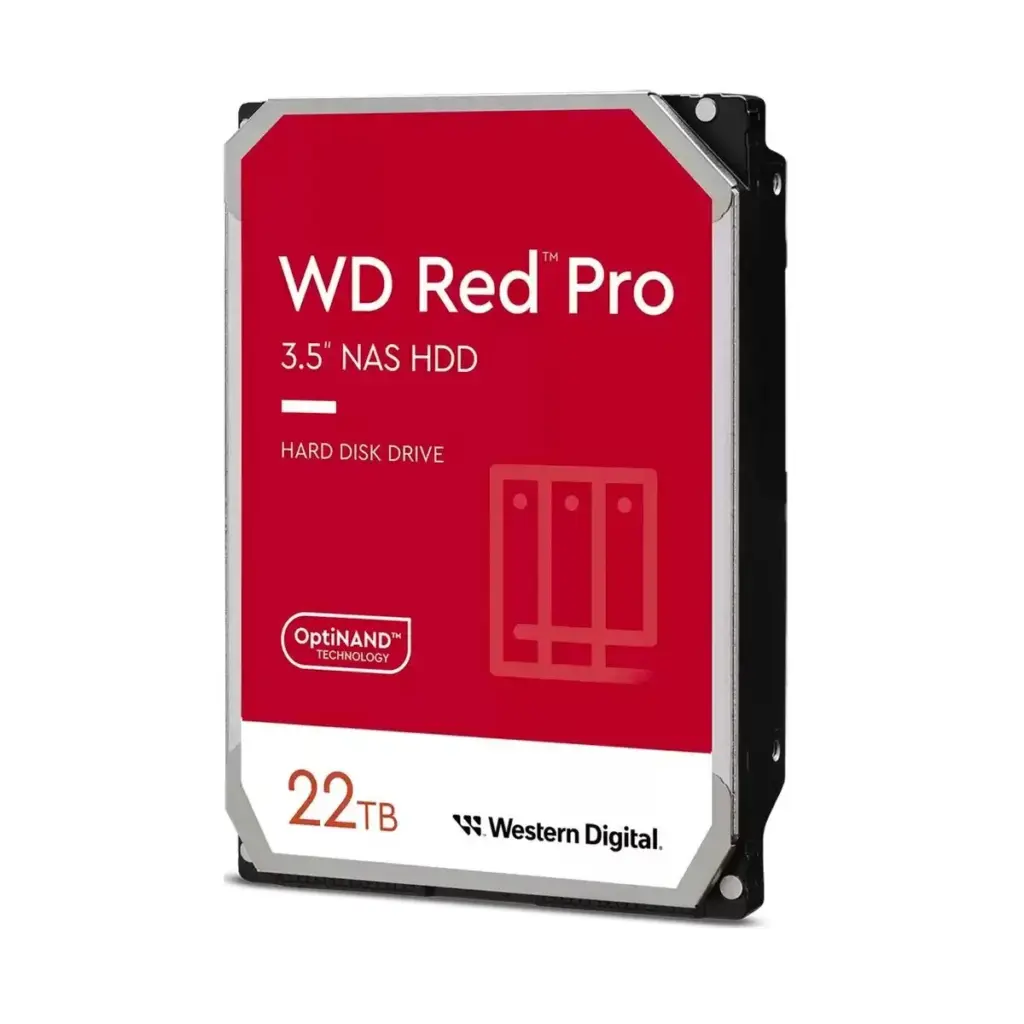
In the modern corporate landscape, data has become the lifeblood of institutional decision-making and operational continuity. As organizations grapple with the exponential growth of information, the underlying hardware responsible for storing and retrieving this data must meet increasingly stringent standards. Enterprise hard drives have emerged as the cornerstone of this infrastructure, providing the specific reliability, performance, and capacity required for mission-critical applications. Unlike general-purpose hard disk drives (HDDs) designed for standard consumer use, enterprise-grade units are engineered to survive the grueling, non-stop demands of the modern data center.
A recent extensive evaluation of the enterprise storage market has identified the leading hardware solutions for 2023. By analyzing ten of the most prominent enterprise HDDs across a variety of operational environments—including traditional data centers, network-attached storage (NAS) arrays, cloud platforms, and hybrid configurations—a clearer picture of the current storage hierarchy has emerged. These drives were rigorously scored based on a multi-faceted methodology that accounted for pricing, core technical specifications, enterprise-specific features, vendor reputation, and the quality of customer support.
The Standard of Enterprise Reliability
The distinction between consumer and enterprise storage is not merely a matter of branding; it is a fundamental difference in architecture. Enterprise hard drives are designed to facilitate continuous access in environments where a single drive failure can lead to significant downtime or data loss. The top-performing drives in this year’s evaluation have been battle-tested for high-intensity scenarios, offering extended levels of resilience and performance under heavy, simultaneous workloads.
The evaluation process utilized a weighted scoring system to ensure a balanced perspective. Core features, such as capacity and data transfer rates, accounted for 25 percent of the total score, while enterprise-specific capabilities like advanced error recovery and hardware security mechanisms represented 20 percent. Support structures, vendor profiles, and operational environment compatibility were also heavily weighted, with pricing making up the final 10 percent of the evaluation.
Seagate Dominates the High-Performance Sector
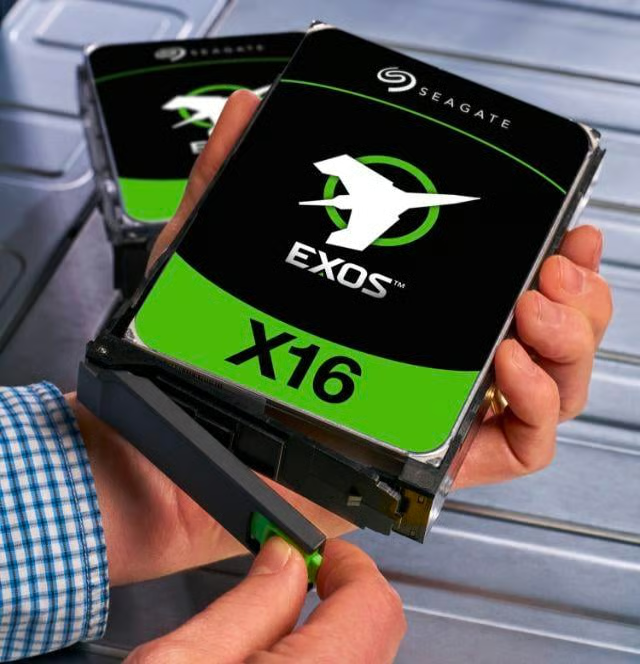
Seagate has long been a titan in the storage industry, and its current lineup reflects a deep understanding of varied enterprise needs. The Seagate Exos series, which earned an overall score of 4.43, stands out as a premier choice for heavy workloads. These drives are specifically engineered for server environments and are available with either Serial AT Attachment (SATA) or Serial Attached SCSI (SAS) interfaces. One of the most impressive metrics for the Exos series is its rated mean time between failure (MTBF) of 2.5 million hours, a testament to its durability in high-pressure settings.
For data center applications, the Seagate IronWolf Pro remains a formidable contender. While it shares some DNA with the Exos series, the IronWolf Pro is optimized for high-capacity SATA and Non-Volatile Memory Express (NVMe) applications. With an overall score of 3.93, it is particularly favored for its balance of performance and reliability in environments that require constant data availability.
Perhaps the most surprising entry in the high-performance category is the Seagate FireCuda. Traditionally marketed toward the gaming and intensive audio-visual (A/V) sectors, the evaluation awarded it a near-perfect score of 4.95 for enterprise "vault" use cases. Its industrial-grade build quality makes it a surprisingly competent choice for specialized data center applications that demand the highest levels of speed and feature density.
 Enterprise Tech & Infrastructure
Advanced Photonics Coalition Sets New Standards to Scale Optical Networking for the AI Era
The global infrastructure supporting the rapid expansion of artificial intelligence reached a...
 Enterprise Tech & Infrastructure
The Great Storage Divide: Navigating the Evolving Performance Landscape of SSDs and HDDs
In the modern enterprise data center, the choice between solid-state drives (SSDs)...
 Enterprise Tech & Infrastructure
The Hidden Architecture of Amazon S3 Costs: Why the Per-Gigabyte Rate is Only the Tip of the Iceberg
For many enterprise IT leaders, the initial appeal of Amazon S3 lies...