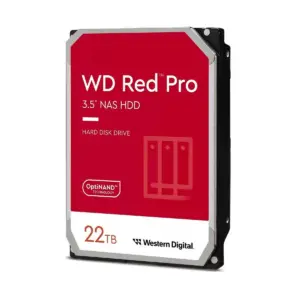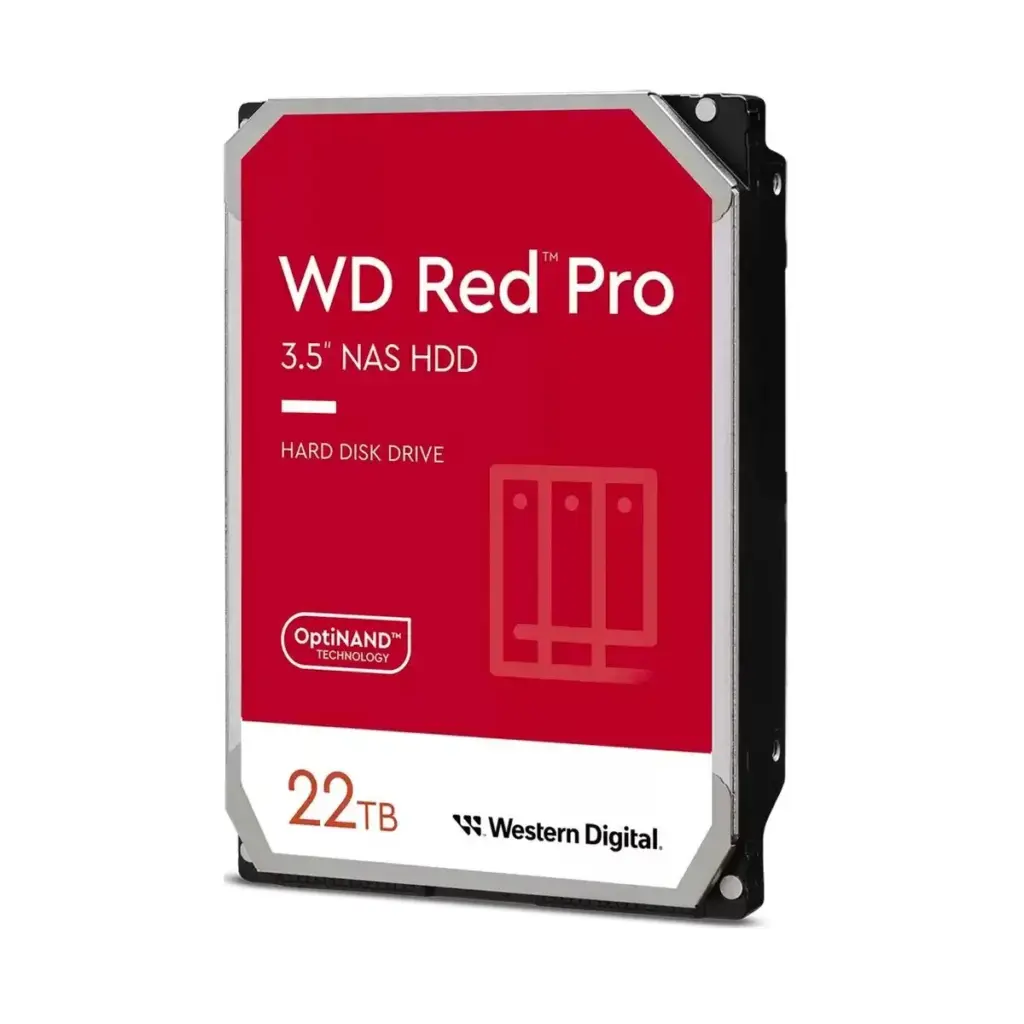
Similarly, the WD Purple series is built for 24/7 video surveillance recording. Earning a score of 4.55, the Purple series is highly regarded for its wide compatibility with various security systems and its ability to operate reliably in the high-temperature environments often found in surveillance enclosures.
Key Considerations for Enterprise Implementation
When selecting a storage solution, enterprises must look beyond raw capacity. Reliability and durability remain the primary concerns; a drive’s MTBF rating and its ability to withstand 24/7 operation are critical for calculating the total cost of ownership. Performance optimization is another vital pillar, where features like seek times and cache sizes dictate how effectively a drive can handle high input/output (I/O) operations.
Data protection and error recovery are equally essential. Many enterprise drives utilize Time-Limited Error Recovery (TLER). In a Redundant Array of Independent Disks (RAID) configuration, TLER prevents a drive from spending too much time attempting to recover from a read error, which could otherwise cause the RAID controller to mark the drive as failed and trigger a lengthy and stressful rebuild process.
Finally, power efficiency has moved from a secondary concern to a primary strategic requirement. For data centers housing thousands of drives, even small reductions in power consumption per unit can lead to massive savings in electricity and cooling costs.
Choosing the Right Infrastructure
The 2023 evaluation underscores that there is no "one-size-fits-all" solution in the enterprise storage market. A business looking to bolster its surveillance network will find the best value in the WD Purple or Seagate Skyhawk series, while an organization building a massive cloud storage array will likely lean toward the Seagate Exos or WD Gold lines.
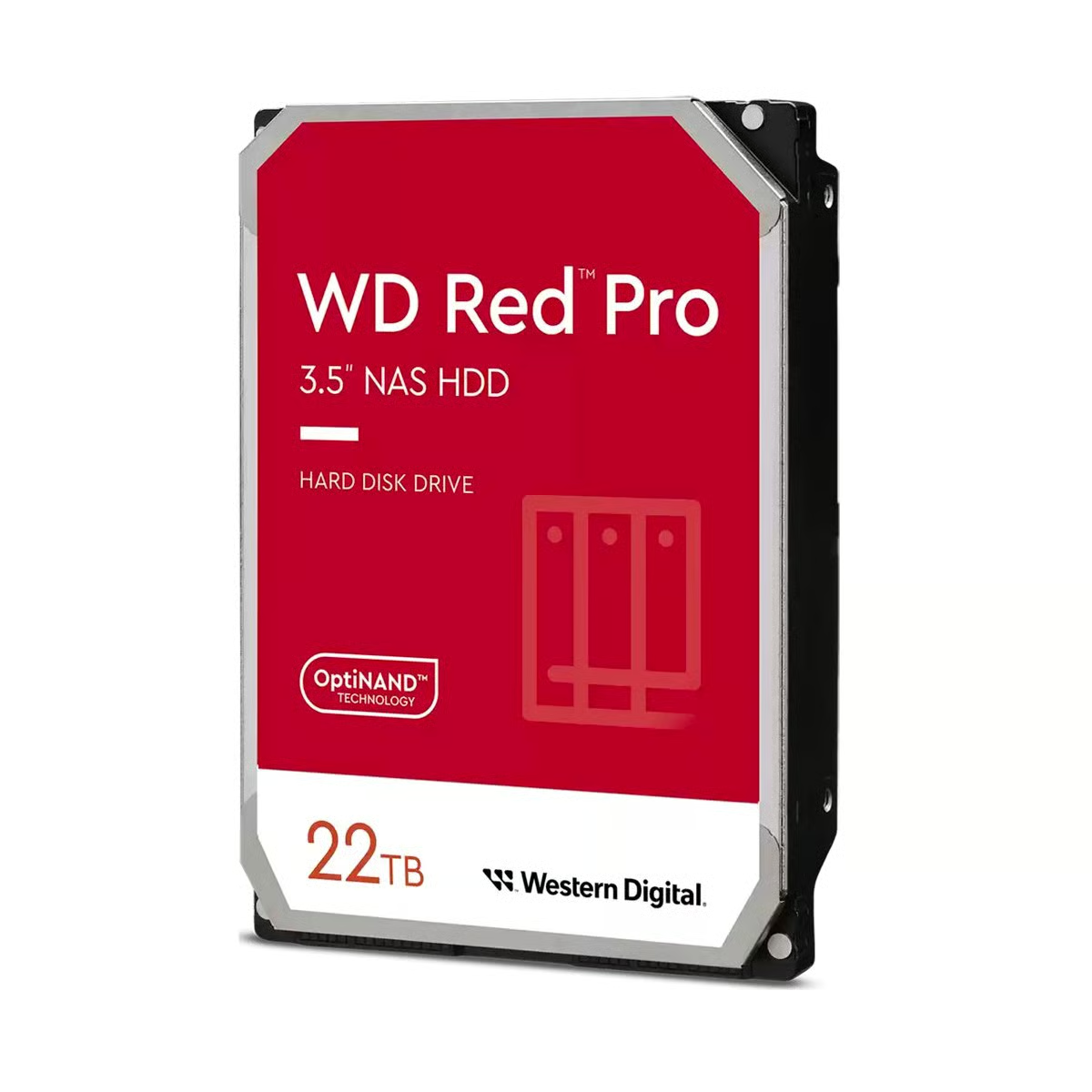
As data-intensive applications like machine learning and real-time analytics continue to evolve, the demand for high-capacity, high-reliability HDDs shows no signs of waning. While the market is dominated by a few key players—Seagate, Western Digital, and Toshiba—the variety within their product lines ensures that enterprise IT professionals can find a drive tailored to their specific operational environment, budget, and performance requirements.
In the end, the most effective storage strategy is one that balances immediate performance needs with long-term scalability and support. By prioritizing drives that offer advanced error recovery, power efficiency, and proven vendor reliability, organizations can ensure that their data remains both safe and accessible in an increasingly digital world.
 Enterprise Tech & Infrastructure
Cerebras Systems Forges Cloud Path as OpenAI Mega-Deal Anchors Massive Revenue Backlog
Throughout 2026, Cerebras Systems, the innovator behind the world’s largest AI processors,...
 Enterprise Tech & Infrastructure
Optimizing Amazon S3: How Enterprises Navigate the Hidden Complexities of Cloud Storage Costs
The primary catalyst for overspending on Amazon Simple Storage Service (S3) is...
 Enterprise Tech & Infrastructure
Cisco Unveils Automated Control Layer to Bridge the Gap Between Isolated Quantum Nodes and Distributed Architectures
In the rapidly evolving landscape of quantum information science, the primary focus...