In the modern corporate landscape, data has become the lifeblood of institutional decision-making and operational continuity. As organizations grapple with the exponential growth of information, the underlying hardware responsible for storing and retrieving this data must meet increasingly stringent standards. Enterprise hard drives have emerged as the cornerstone of this infrastructure, providing the specific reliability, performance, and capacity required for mission-critical applications. Unlike general-purpose hard disk drives (HDDs) designed for standard consumer use, enterprise-grade units are engineered to survive the grueling, non-stop demands of the modern data center.
A recent extensive evaluation of the enterprise storage market has identified the leading hardware solutions for 2023. By analyzing ten of the most prominent enterprise HDDs across a variety of operational environments—including traditional data centers, network-attached storage (NAS) arrays, cloud platforms, and hybrid configurations—a clearer picture of the current storage hierarchy has emerged. These drives were rigorously scored based on a multi-faceted methodology that accounted for pricing, core technical specifications, enterprise-specific features, vendor reputation, and the quality of customer support.
The Standard of Enterprise Reliability
The distinction between consumer and enterprise storage is not merely a matter of branding; it is a fundamental difference in architecture. Enterprise hard drives are designed to facilitate continuous access in environments where a single drive failure can lead to significant downtime or data loss. The top-performing drives in this year’s evaluation have been battle-tested for high-intensity scenarios, offering extended levels of resilience and performance under heavy, simultaneous workloads.
The evaluation process utilized a weighted scoring system to ensure a balanced perspective. Core features, such as capacity and data transfer rates, accounted for 25 percent of the total score, while enterprise-specific capabilities like advanced error recovery and hardware security mechanisms represented 20 percent. Support structures, vendor profiles, and operational environment compatibility were also heavily weighted, with pricing making up the final 10 percent of the evaluation.
Seagate Dominates the High-Performance Sector
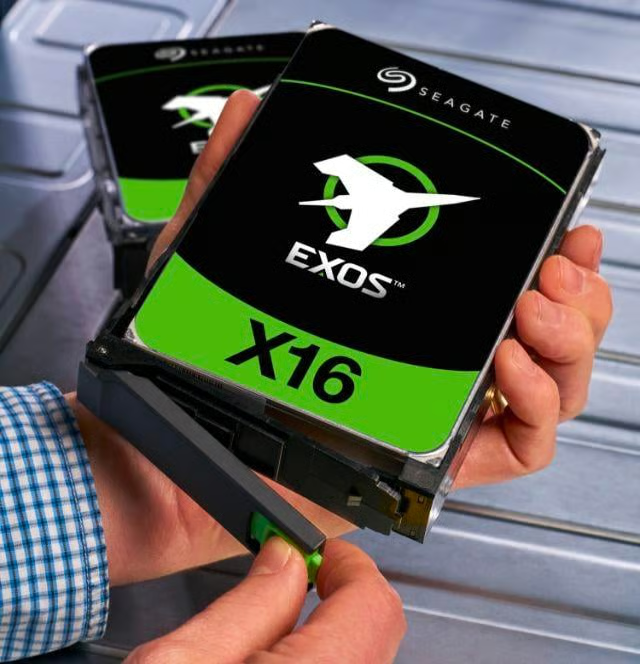
Seagate has long been a titan in the storage industry, and its current lineup reflects a deep understanding of varied enterprise needs. The Seagate Exos series, which earned an overall score of 4.43, stands out as a premier choice for heavy workloads. These drives are specifically engineered for server environments and are available with either Serial AT Attachment (SATA) or Serial Attached SCSI (SAS) interfaces. One of the most impressive metrics for the Exos series is its rated mean time between failure (MTBF) of 2.5 million hours, a testament to its durability in high-pressure settings.
For data center applications, the Seagate IronWolf Pro remains a formidable contender. While it shares some DNA with the Exos series, the IronWolf Pro is optimized for high-capacity SATA and Non-Volatile Memory Express (NVMe) applications. With an overall score of 3.93, it is particularly favored for its balance of performance and reliability in environments that require constant data availability.
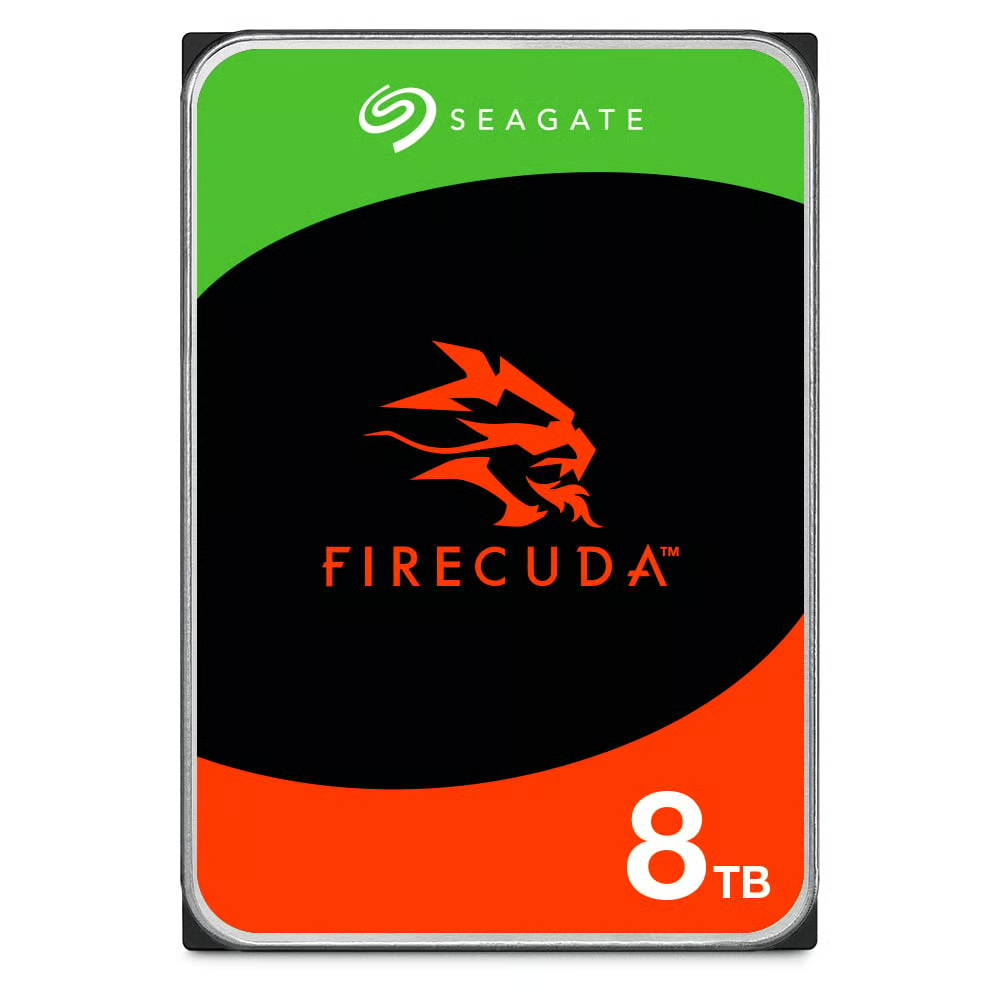
Perhaps the most surprising entry in the high-performance category is the Seagate FireCuda. Traditionally marketed toward the gaming and intensive audio-visual (A/V) sectors, the evaluation awarded it a near-perfect score of 4.95 for enterprise "vault" use cases. Its industrial-grade build quality makes it a surprisingly competent choice for specialized data center applications that demand the highest levels of speed and feature density.
Western Digital: Versatility and Specialized Engineering
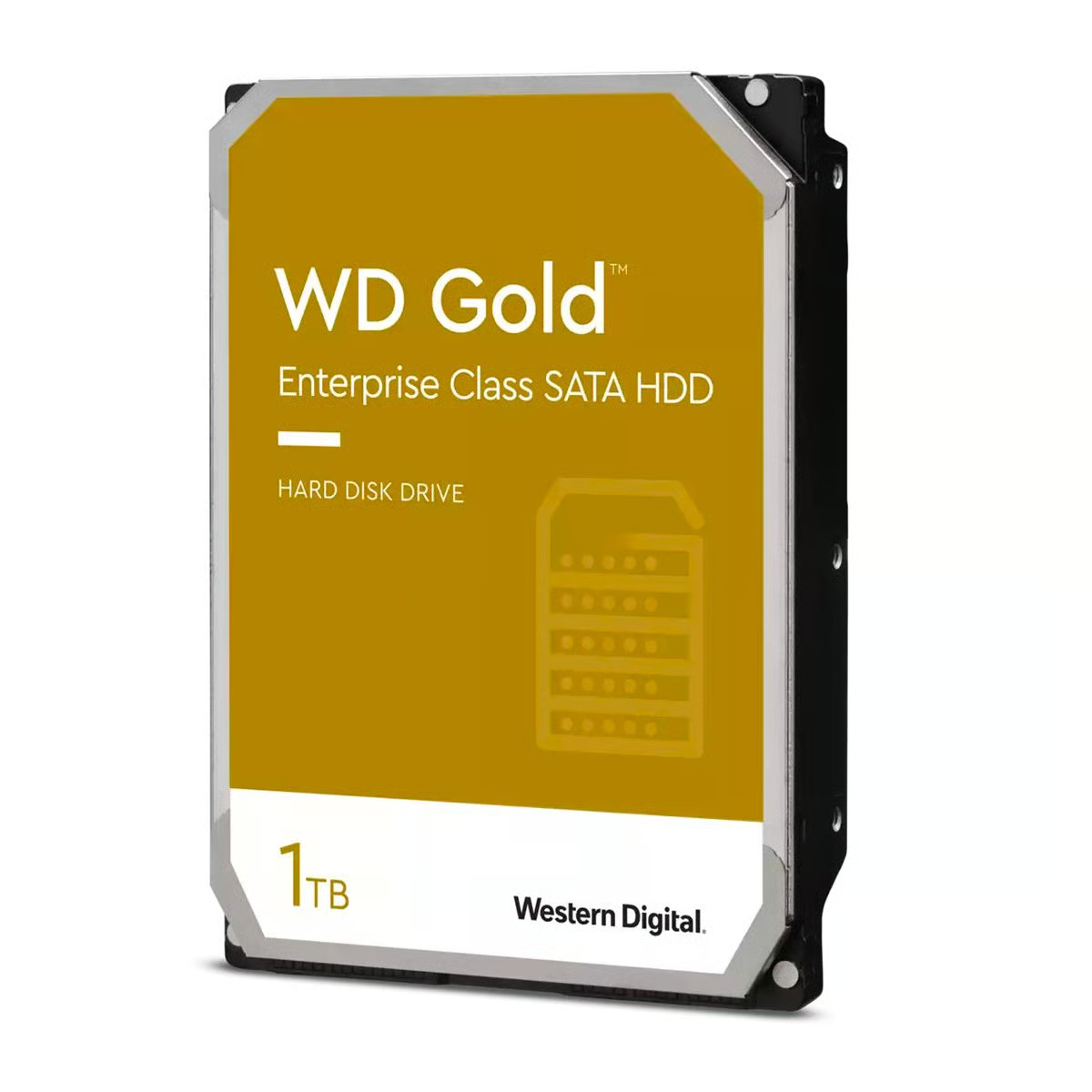
Western Digital (WD) continues to provide a robust alternative to Seagate, with a product line that spans the entire spectrum of enterprise needs. The WD Gold Enterprise series achieved an impressive score of 4.78, largely due to its range of size options and cutting-edge features. A standout inclusion in the Gold series is ArmorCache, a non-volatile cache solution. Unlike traditional DRAM-based caching, which can be vulnerable to data loss during sudden power failures, ArmorCache improves performance while significantly reducing the risk of data corruption, making it a favorite for mission-critical infrastructure.
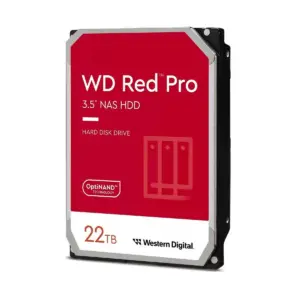
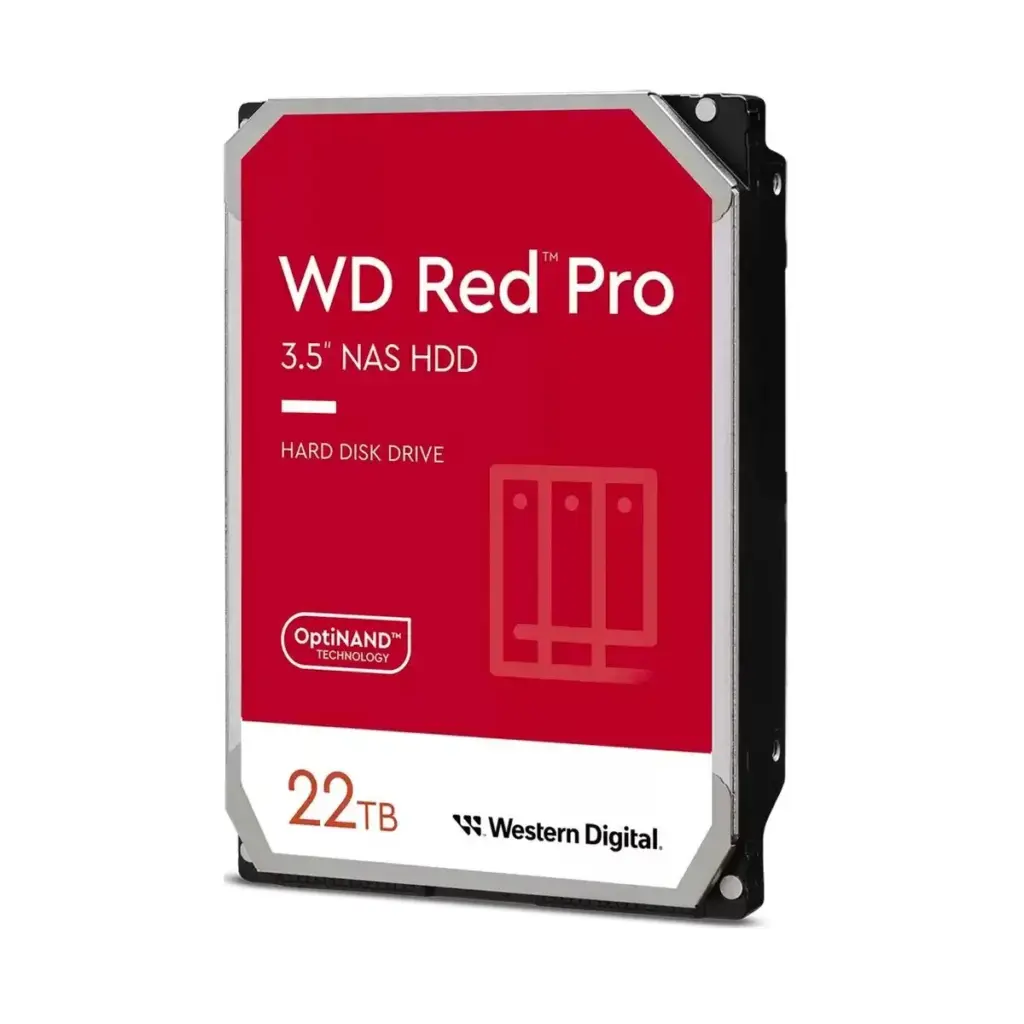
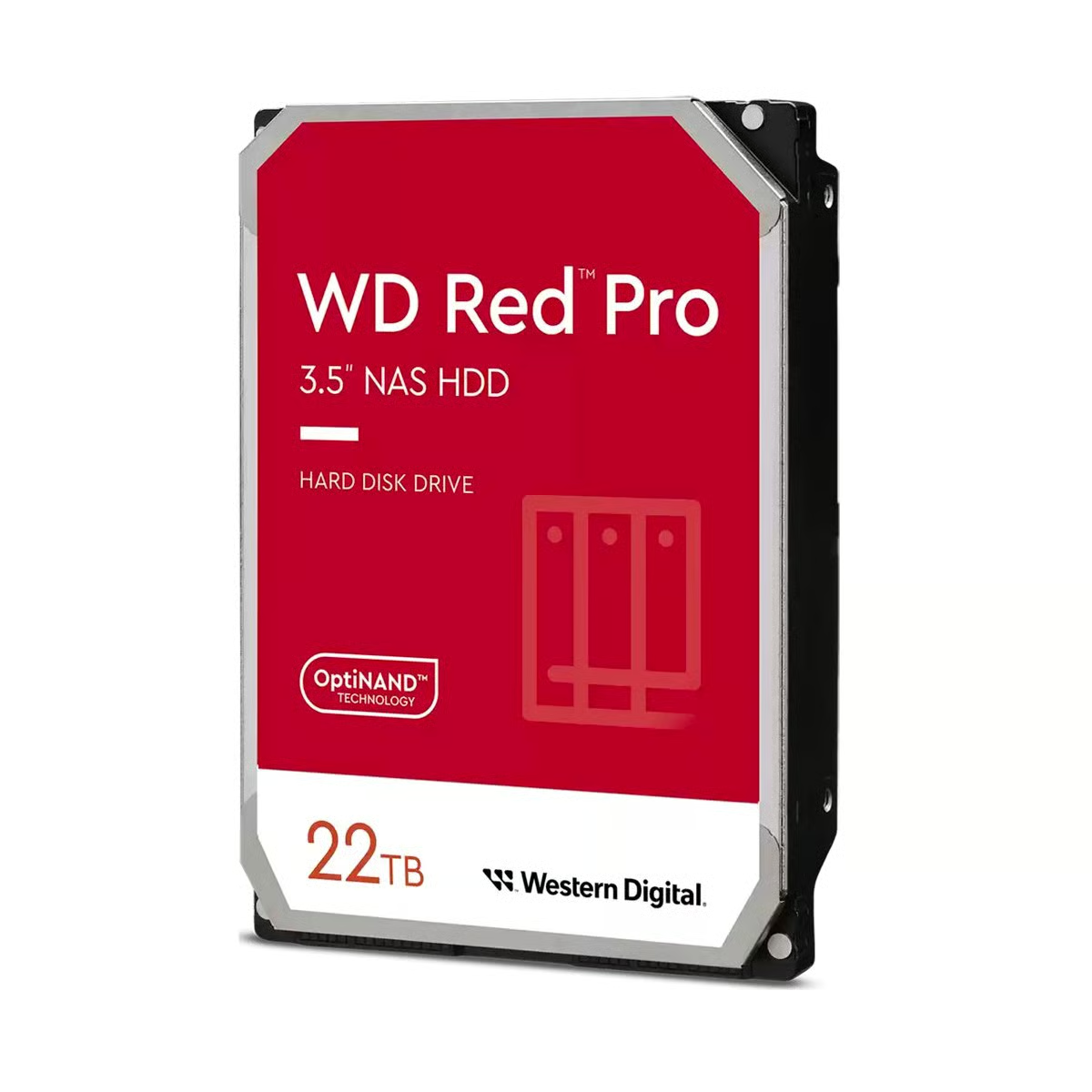
For organizations focused on Network Attached Storage, the WD Red Pro is a top-tier selection. Scoring a 4.50, the Red Pro is noted for its 7,200 RPM spindle speed, which provides superior performance in random workloads. Furthermore, models with 14TB capacities or larger come equipped with 512MB of DRAM cache, ensuring that high-volume data requests are handled with minimal latency.
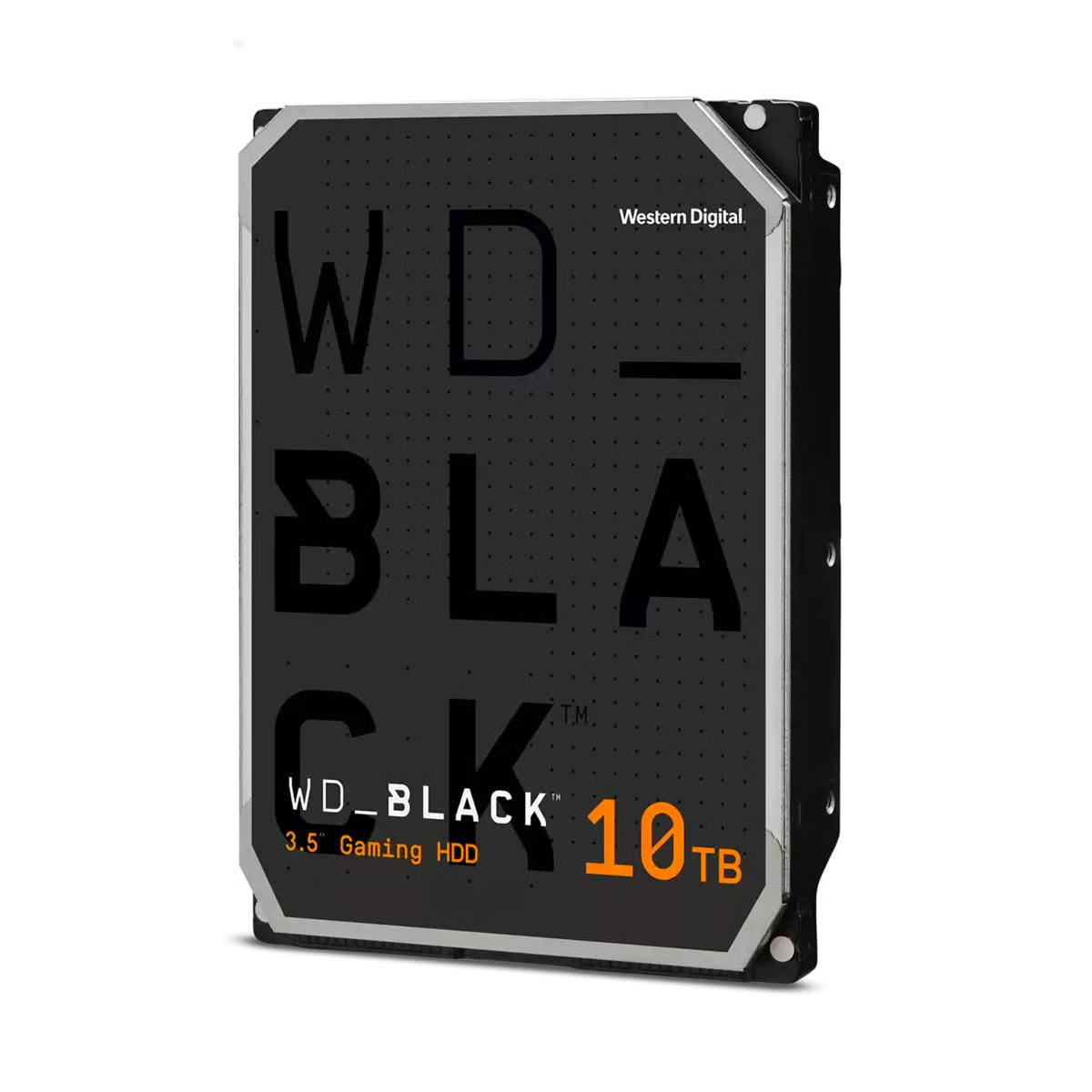
Western Digital also caters to the enterprise desktop market with its WD Black series. While it scored lower in core enterprise features compared to the Gold or Red Pro lines, its 7,200 RPM speed and reliability make it a solid choice for high-end workstations where professionals require consistent local storage performance.
Toshiba: Efficiency in Mixed-Use and NAS Environments
Toshiba has carved out a significant niche by focusing on storage-utilization efficiency and reliability at a competitive price point. The Toshiba MG Series, which earned a score of 4.58, is designed specifically for 24/7 mixed-use workloads. These drives offer a range of capacities from 1TB to 10TB, making them ideal for supporting data center servers and storage infrastructures that do not necessarily require the massive footprints of 20TB+ drives but still demand enterprise-grade endurance.
In the NAS category, the Toshiba N300 stands out as a versatile option for smaller organizations and home offices. With capacities reaching up to 18TB, the N300 is renowned for bringing enterprise-level reliability and performance to a price point that is attainable for growing businesses. It scored a 4.25, reflecting its status as a high-performance system that maintains a focus on long-term endurance.
Specialized Solutions for Surveillance and AI
As the demand for video analytics and artificial intelligence grows, manufacturers have developed specialized drives to handle these unique data streams. Surveillance workloads are notoriously "write-heavy," requiring drives that can record multiple high-definition streams simultaneously without dropping frames.
Seagate’s Skyhawk AI series is a leader in this field, designed for artificial intelligence network video recorders (AI NVRs). These drives are optimized for deep learning applications and video analytics, scoring a 3.95 for their ability to handle the rigorous demands of modern security appliances.
Similarly, the WD Purple series is built for 24/7 video surveillance recording. Earning a score of 4.55, the Purple series is highly regarded for its wide compatibility with various security systems and its ability to operate reliably in the high-temperature environments often found in surveillance enclosures.
Key Considerations for Enterprise Implementation
When selecting a storage solution, enterprises must look beyond raw capacity. Reliability and durability remain the primary concerns; a drive’s MTBF rating and its ability to withstand 24/7 operation are critical for calculating the total cost of ownership. Performance optimization is another vital pillar, where features like seek times and cache sizes dictate how effectively a drive can handle high input/output (I/O) operations.
Data protection and error recovery are equally essential. Many enterprise drives utilize Time-Limited Error Recovery (TLER). In a Redundant Array of Independent Disks (RAID) configuration, TLER prevents a drive from spending too much time attempting to recover from a read error, which could otherwise cause the RAID controller to mark the drive as failed and trigger a lengthy and stressful rebuild process.
Finally, power efficiency has moved from a secondary concern to a primary strategic requirement. For data centers housing thousands of drives, even small reductions in power consumption per unit can lead to massive savings in electricity and cooling costs.
Choosing the Right Infrastructure
The 2023 evaluation underscores that there is no "one-size-fits-all" solution in the enterprise storage market. A business looking to bolster its surveillance network will find the best value in the WD Purple or Seagate Skyhawk series, while an organization building a massive cloud storage array will likely lean toward the Seagate Exos or WD Gold lines.
As data-intensive applications like machine learning and real-time analytics continue to evolve, the demand for high-capacity, high-reliability HDDs shows no signs of waning. While the market is dominated by a few key players—Seagate, Western Digital, and Toshiba—the variety within their product lines ensures that enterprise IT professionals can find a drive tailored to their specific operational environment, budget, and performance requirements.
In the end, the most effective storage strategy is one that balances immediate performance needs with long-term scalability and support. By prioritizing drives that offer advanced error recovery, power efficiency, and proven vendor reliability, organizations can ensure that their data remains both safe and accessible in an increasingly digital world.
 Enterprise Tech & Infrastructure
The Evolution of Data Infrastructure: How Hyperconverged Storage is Redefining the Modern Data Center
As enterprises navigate an increasingly data-centric landscape, the architecture supporting that data...
 Enterprise Tech & Infrastructure
Upscale AI Challenges Nvidia’s Scale-Up Dominance with SkyHammer Fabric and $2 Billion Valuation
For decades, the world’s leading CPU manufacturers have maintained a fiercely proprietary...
 Enterprise Tech & Infrastructure
The Architecture of Modern Storage: Navigating the Technical Nuances of Flash and Solid-State Drives
In the rapidly evolving landscape of data storage, terms like "Flash" and...