
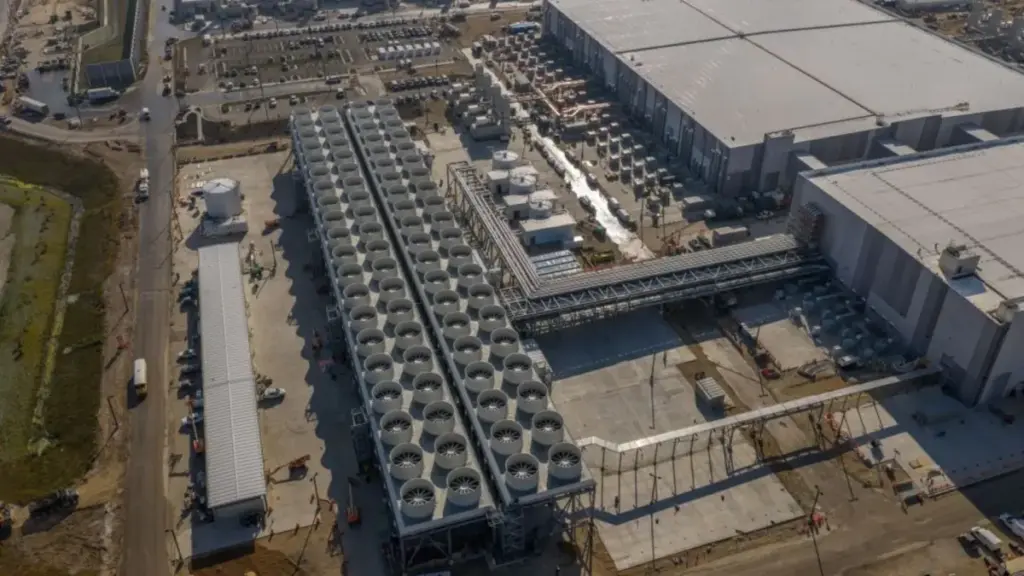
The tension between technological progress and environmental protection is not a new phenomenon, but the scale of the AI boom has accelerated the conflict. Training a single large-scale AI model can consume as much electricity as thousands of homes use in a year. As companies like xAI race to build "compute clusters" featuring tens of thousands of high-end graphics processing units, the demand for power has become the single greatest bottleneck in the industry. For Musk, whose business philosophy often emphasizes speed and the removal of bureaucratic "red tape," the use of jet engine turbines is a pragmatic solution to an immediate problem. By generating its own power on-site, xAI can bypass the years of planning and construction typically required to upgrade local grid infrastructure.
However, the "move fast and break things" ethos that has defined much of the Silicon Valley era is facing a different kind of resistance in the realm of heavy industry and environmental law. Critics of the Mississippi project argue that the "boneyard" approach—repurposing older engine designs for modern data needs—might be cost-effective for the company, but it shifts the environmental "cost" onto the public. The 25% increase in allowed VOC emissions is particularly galling to local activists, who note that such allowances are rarely granted without significant public benefit or rigorous proof that no cleaner alternative exists. They contend that a company with the resources of xAI should be leading the way in clean energy innovation rather than relying on mid-20th-century combustion technology.
The situation in Mississippi is being closely watched by industry analysts and environmental groups alike, as it may set a precedent for how other AI firms handle their energy needs in the future. If xAI is successful in maintaining its current power structure despite the legal challenges, it could signal a trend where data centers become increasingly decoupled from the public grid, operating as self-contained, fossil-fuel-powered islands of computation. Conversely, if the Southern Environmental Law Center prevails, it could force the industry to reconsider the environmental cost of rapid AI expansion and invest more heavily in the "green" infrastructure that many companies have promised in their corporate social responsibility reports.
 Hardware Reviews & PC Building
Mysterious AMD Zen 6 APU with 24GB of LPDDR5 memory appears in benchmarks — chip may be for next-gen Steam Deck or…
The listing reveals an engineering sample identified by the part number 100-000001930-12_Y....
 Hardware Reviews & PC Building
Judge denies motion to dismiss DRAM price-fixing lawsuit against Micron, Samsung, and SK hynix — says chipmakers…
The core of the defendants’ argument for dismissal rested on the claim...
 Hardware Reviews & PC Building
Apple Unveils First Touchscreen MacBook Pro Models with OLED XDR Displays and M5 Series Silicon
In a move that marks one of the most significant architectural and...







