
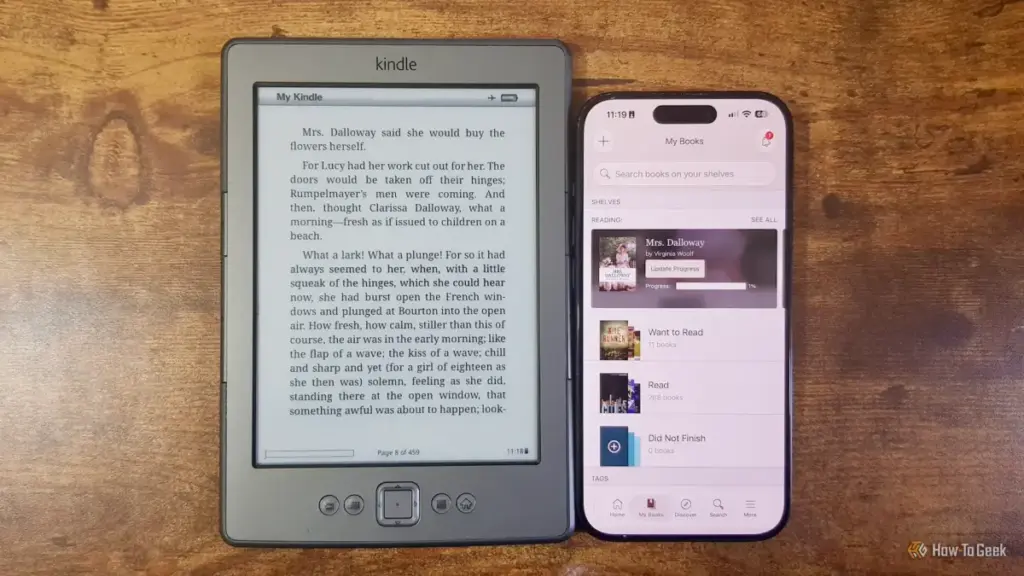
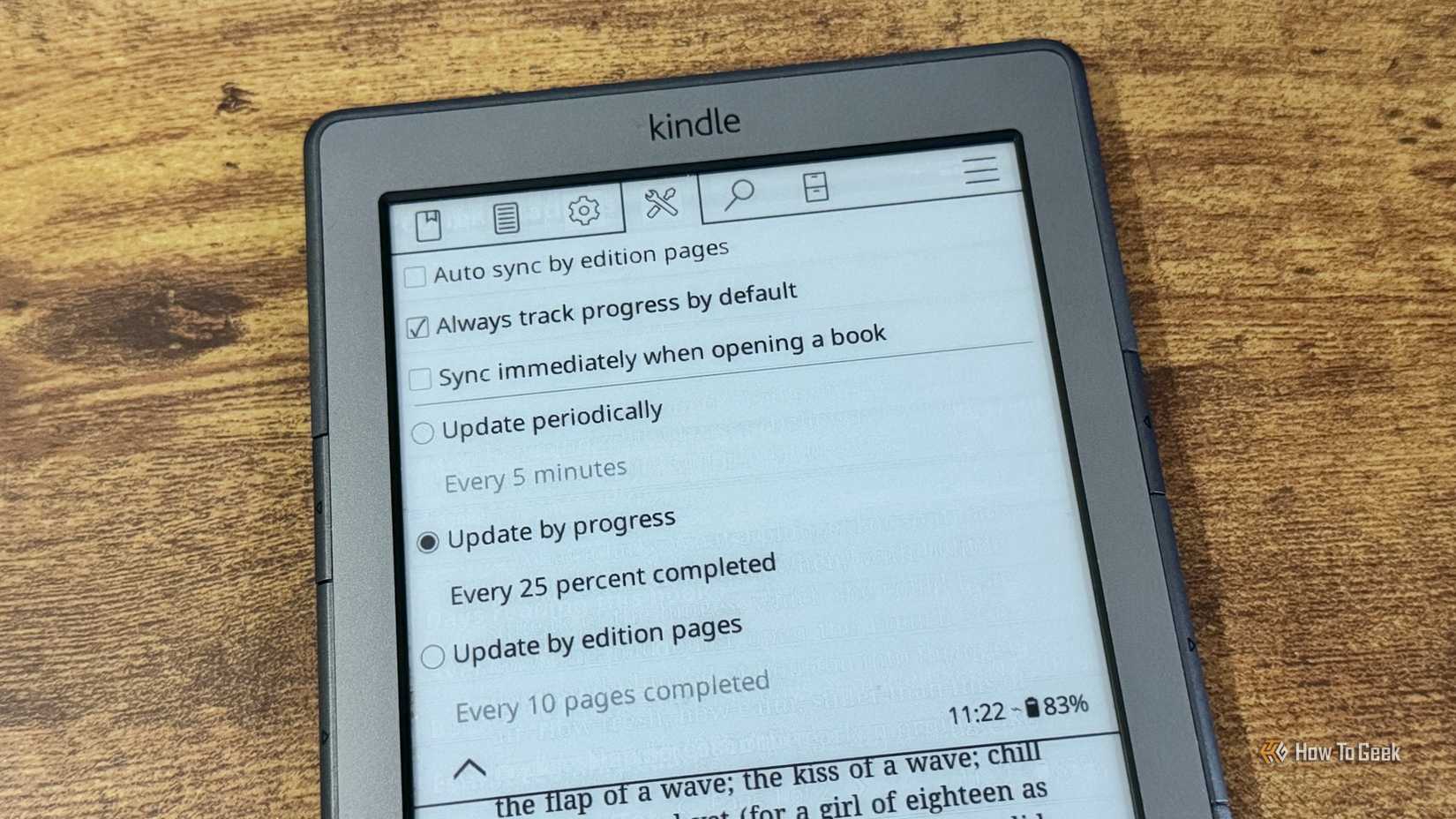
Another hurdle involves the nature of the authentication cookies. These digital tokens can expire or be invalidated by Goodreads, which would normally require the user to repeat the manual export process. To mitigate this, the community has developed a companion tool called the "Goodreads Cookie Refresher." By running this tool on a secondary device—such as a home server or a mini PC—users can ensure that their Kindle is always supplied with "fresh" cookies, maintaining the automation indefinitely.
Furthermore, older hardware like the Kindle 4 introduces physical limitations. Davidson noted a "race condition" where ShelfSync would attempt to transmit data the moment a book was opened, often before the Kindle’s aging Wi-Fi chip had successfully established a connection to the local network. The solution was characteristic of the hobbyist community: the implementation of a small script that forces the plugin to wait for a confirmed internet connection before attempting a sync.
The Sideloading Advantage
Perhaps the most significant revelation of using ShelfSync is its ability to handle "sideloaded" content. On a standard, non-jailbroken Kindle, books that are purchased through Amazon are easily tracked. However, books acquired from other sources—such as Project Gutenberg, Humble Bundle, or independent publishers—and transferred via USB often exist in a "gray area." While they can be read on the device, they frequently fail to trigger the native Goodreads integration.
ShelfSync levels the playing field. Because it identifies books based on metadata rather than Amazon’s internal transaction IDs, it treats sideloaded EPUBs and PDFs with the same priority as any other title. For readers who maintain diverse libraries from multiple sources, this makes the jailbroken Kindle 4 a more capable tracking tool than a brand-new Kindle Paperwhite running stock firmware.
Conclusion: The Future of Legacy Hardware
The successful integration of the Kindle 4 with Goodreads via ShelfSync serves as a case study in the longevity of well-built hardware. By removing the burden of manual data entry and overcoming the limitations of an abandoned ecosystem, such plugins allow users to focus entirely on the act of reading.
For Davidson, the project was a success not just because it saved time, but because it adhered to the principle that technology should serve the user quietly in the background. As the world faces growing concerns over electronic waste and the "planned obsolescence" of digital devices, the ability to reclaim and modernize a fifteen-year-old e-reader is a testament to the power of open-source development. Through the efforts of the community, the Kindle 4 remains more than a relic; it is a fully functional participant in the modern social reading experience.
 Tech Tutorials & How-To Guides
Amazon Retires Fire Tablet Brand in Favor of New Alexa Tablet Line with Google Play Support
In a sweeping transformation of its mobile hardware strategy, Amazon has announced...
 Tech Tutorials & How-To Guides
The Best Documentaries and Docuseries to Stream: September 2026’s Top Picks
The landscape of streaming television continues to be heavily influenced by the...
 Tech Tutorials & How-To Guides
Beyond PowerToys: How Open-Source Community Tools are Redefining Windows 11 Customization
For decades, the Windows operating system has served as a canvas for...







