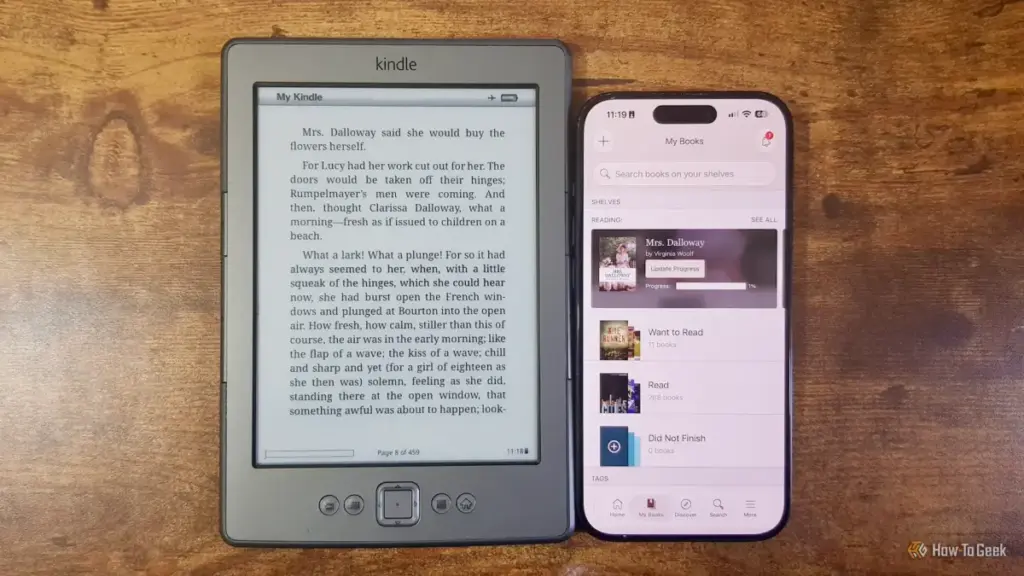

The installation of ShelfSync reflects the flexibility of the jailbroken ecosystem. Users can either manually place the plugin into the KOReader directory or utilize the "Storefront" plugin to install it directly from the device. However, the process of linking the plugin to a Goodreads account reveals the complexities of working outside of Amazon’s proprietary walls.
Because Amazon does not provide a robust, public API for Goodreads that allows third-party apps to easily authenticate users, ShelfSync utilizes a "cookie-import" method. This requires the user to sign into Goodreads on a desktop browser and export the session cookies to the Kindle. While this sounds technically demanding, it serves a vital purpose: it allows the Kindle to communicate with Goodreads as if it were the user’s browser, bypassing the need for the user to ever type their password into the Kindle’s cumbersome interface. For Davidson, whose philosophy on the ideal smart home involves "magic" automation with minimal user interaction, this setup phase was a small price to pay for long-term invisibility.
Automation in Action: From Mrs. Dalloway to the Reading Challenge
The true test of such a system lies in its daily utility. Davidson put the setup to work with Virginia Woolf’s Mrs. Dalloway, a title not previously present on his Goodreads shelves. The results were immediate: upon opening the file on the Kindle, ShelfSync identified the book and automatically added it to his "Currently Reading" list on Goodreads.
One of the primary advantages of ShelfSync is its granularity. While the native Kindle integration is often a "black box" that updates when it sees fit, ShelfSync allows users to define the frequency of updates. Initially, Davidson experimented with five-minute intervals, but found this created an overwhelming stream of updates on his Goodreads feed. He eventually settled on a more discreet configuration, triggering an update every time 25% of a book is completed. The plugin can also be set to sync every time a book is opened or closed, ensuring that the cloud always reflects the local state of the device.
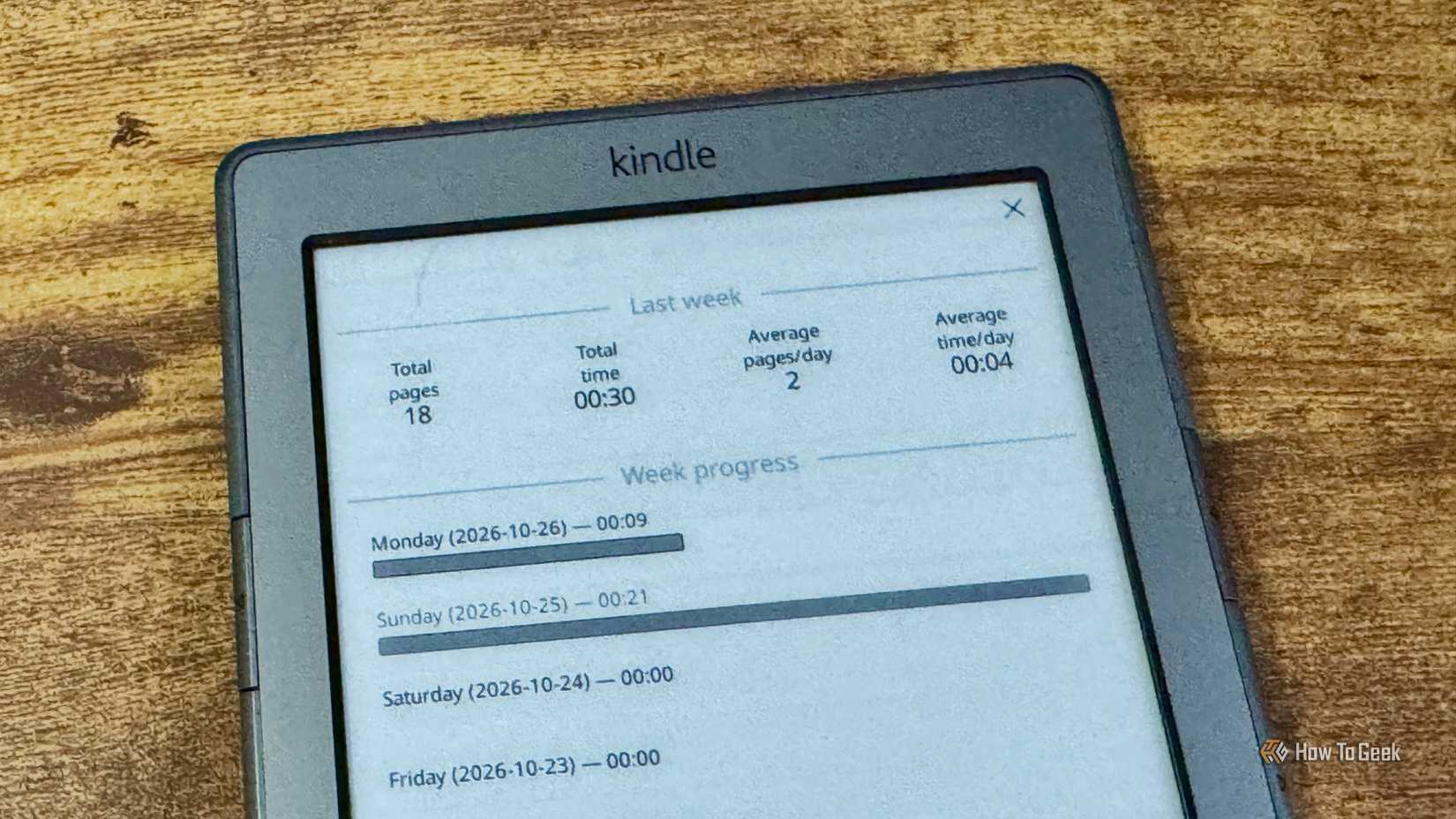
When the final page is turned and the book is marked as "Finished" in KOReader, ShelfSync automatically transitions the title to the "Read" shelf on Goodreads. This automation directly feeds into the Goodreads Reading Challenge, providing a sense of accomplishment without the administrative overhead that usually accompanies legacy devices.
Navigating the Friction of Unofficial Integration
Despite its successes, the transition from a proprietary ecosystem to an open-source one is rarely without its quirks. Because ShelfSync does not have the benefit of Amazon’s internal database linking, it occasionally struggles to find an exact match for a book title in the Goodreads library. This is particularly common with classic literature or different editions of the same work. In these instances, the user must briefly intervene to select the correct edition from a list provided on the Kindle’s screen.
 Tech Tutorials & How-To Guides
Weekend Maker Project: Exploring the Potential and Limits of DIY Tracking with the ESP32-C3
In the rapidly evolving landscape of the "maker" movement, the accessibility of...
 Tech Tutorials & How-To Guides
Netflix’s November Documentary Slate Explores Cartel Shadows, Comedy Legends, and Decades-Old Mysteries
As the streaming landscape continues to evolve, documentaries have emerged as one...
 Tech Tutorials & How-To Guides
Unfiltered Cinema: Why R-Rated Hits Are Finding a Second Life on Major Streaming Platforms
In the modern landscape of digital entertainment, the motion picture rating system...