
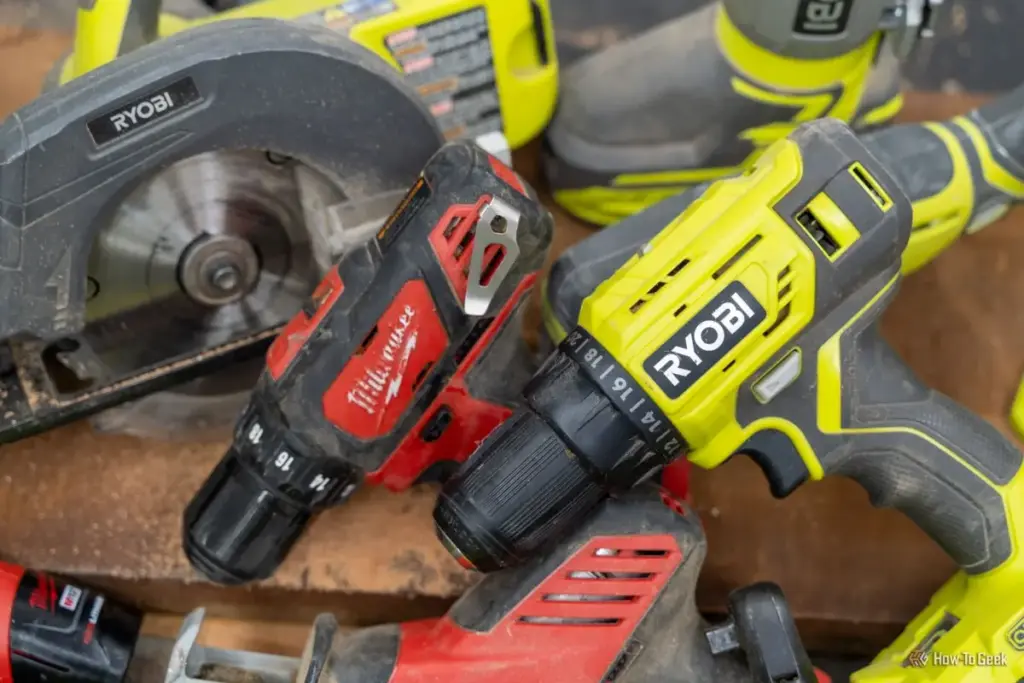
Moisture that enters through the ventilation ports or around the trigger can lead to the corrosion of copper contacts and the oxidation of the PCB. This corrosion creates high-resistance points that generate even more heat or, in worse cases, leads to short circuits that can fry the tool’s electronics instantly. Even high humidity or storing tools in unheated, damp sheds can lead to "wicking," where moisture is drawn into the internal components over time.
The solution is simple but often ignored: the use of protective cases and bags. Carrying the drill in its original hard case or a dedicated tool bag provides a necessary barrier against the environment. Even a few minutes of exposure to heavy rain can be enough to compromise the delicate sensors found in modern "smart" tools. Protecting the tool from moisture is a critical habit that safeguards the intricate electronic heartbeat of the device.
The Physics of Drilling: Efficiency Over Force
The final habit that frequently leads to tool failure is the application of excessive physical force. There is a common tendency among users to lean their full body weight into a drill when a bit isn’t cutting through material as quickly as expected. This "wiggling" or "shaking" of the drill to force a path through wood or metal is a clear indicator of a dull bit or the wrong tool setting.
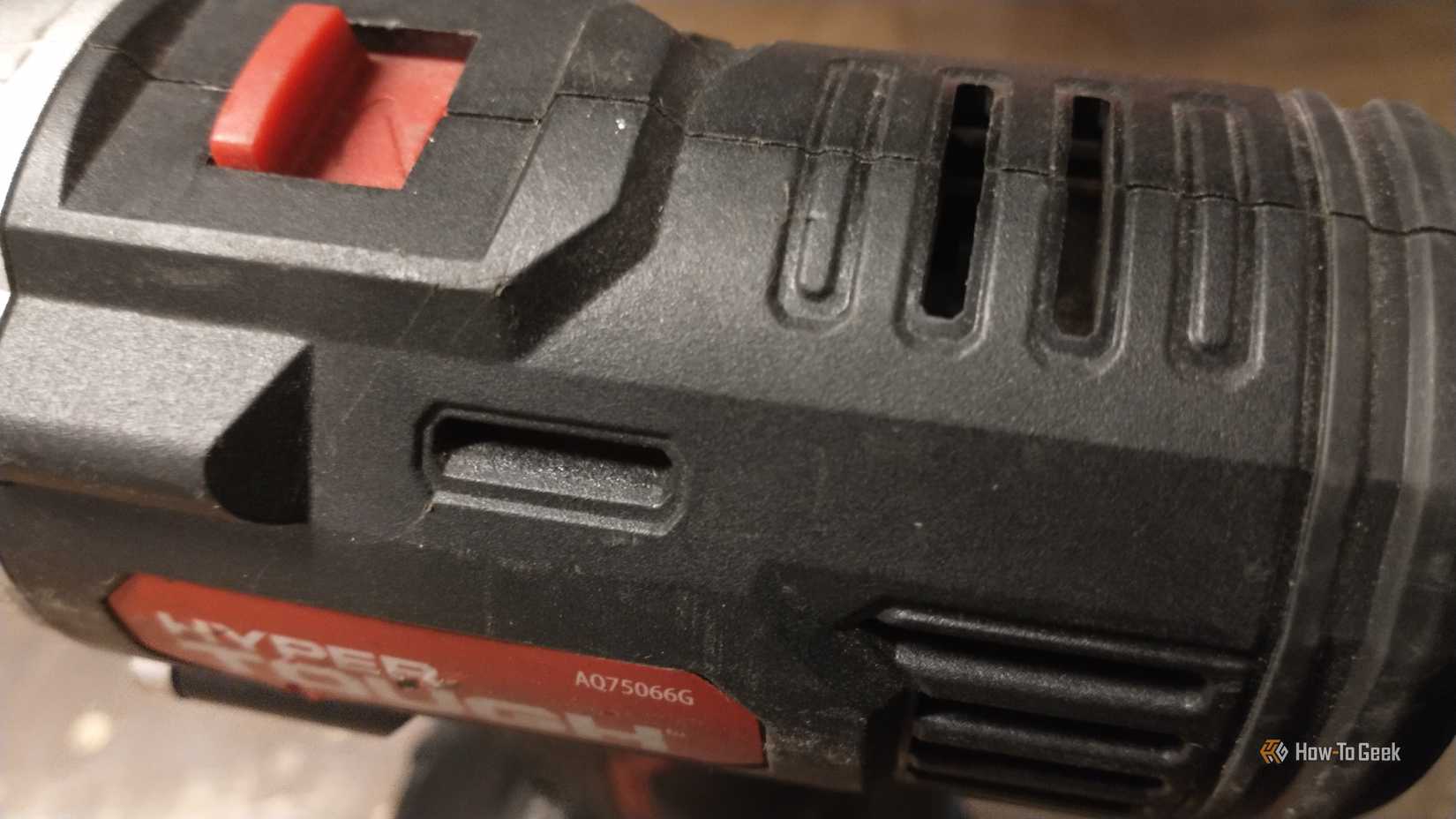
Power tools are designed to let the accessory—the bit—do the work. When a user applies excessive downward pressure, they are not only straining their own body but also overloading the drill’s motor and putting lateral stress on the chuck and spindle bearings. This can lead to a "wobble" in the chuck over time, destroying the tool’s precision. Furthermore, the friction created by forcing a dull bit generates immense heat, which is then conducted back through the chuck and into the gearbox.
Proper bit selection and maintenance are inseparable from tool longevity. Using a bit with the correct geometry for the material—such as High-Speed Steel (HSS) for metal or specialized spurs for wood—ensures that the motor operates within its intended load range. Additionally, managing drill speed is vital; drilling through metal requires a slower speed to manage heat dissipation, while wood typically allows for medium speeds. For deep holes, drilling in increments to clear shavings prevents the bit from binding, which is one of the most common causes of motor stall and subsequent electrical strain.
In conclusion, the lifespan of a power drill is a direct reflection of the operator’s habits. While the engineering prowess of brands like Milwaukee and DeWalt provides a sturdy foundation, it cannot fully compensate for thermal abuse, mechanical mismanagement, or environmental neglect. By fostering better habits—such as allowing batteries to cool, using the correct gear settings, maintaining airflow, and letting the bit do the work—users can ensure that their investment remains a reliable partner for years to come. Bad habits may be hard to break, but they are far easier to fix than a burnt-out motor or a shattered gearbox.
 Tech Tutorials & How-To Guides
Netflix Expands October Streaming Lineup With High-Stakes Sports Dramas and Darkly Humorous Animation
As the autumn chill settles in and the evening air turns crisp,...
 Tech Tutorials & How-To Guides
Unlocking the Hidden Diagnostic Power of Amazon Fire TV: A Deep Dive into Developer Tools and System Transparency
The Amazon Fire TV ecosystem has evolved from a simple portal for...
 Tech Tutorials & How-To Guides
Beyond the Slicer: Why MeshLab Remains the Essential Tool for Repairing Corrupt 3D Models
The world of 3D printing has evolved from a niche hobby for...







