
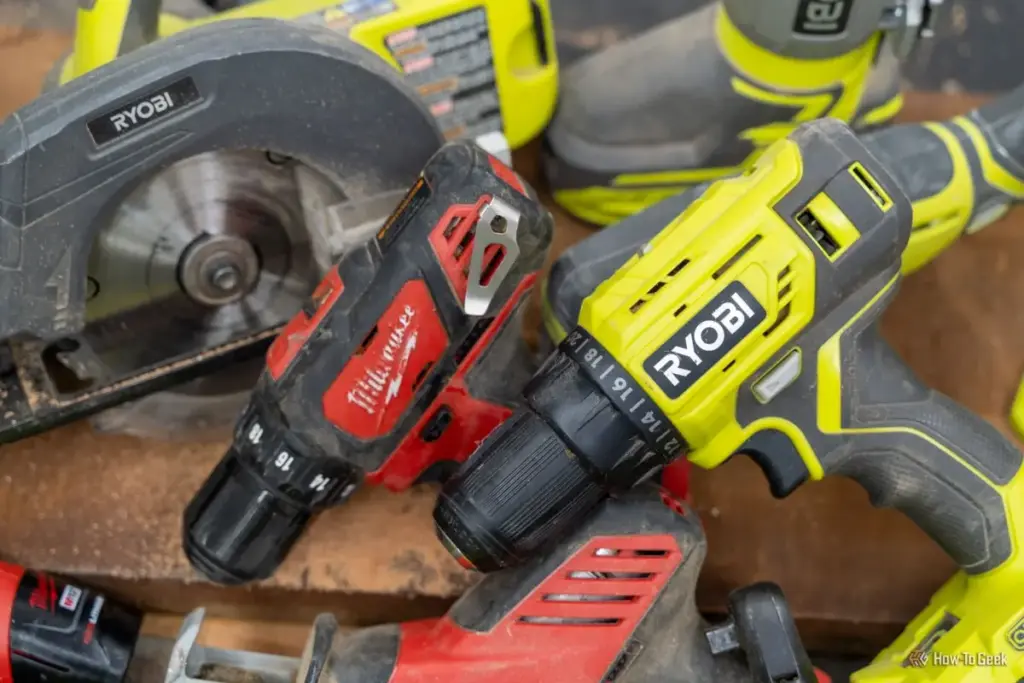
In the modern landscape of home improvement and professional construction, the cordless power drill stands as perhaps the most ubiquitous tool in the arsenal. From the weekend DIY enthusiast assembling flat-pack furniture to the seasoned commercial contractor framing high-rise structures, the drill is a constant companion. However, as the industry has shifted toward high-performance lithium-ion technology and brushless motors, a significant gap has emerged between the ruggedness of the hardware and the habits of the operators. While premium brands like Milwaukee and DeWalt have engineered tools that can withstand immense pressure and harsh environments, they are not invincible. The longevity of these sophisticated machines is often dictated less by their manufacturing quality and more by the daily habits of those who pull the trigger.
The misconception that a "contractor-grade" price tag equates to an indestructible tool is a common pitfall. In reality, the more advanced a drill becomes, the more sensitive its internal electronics and mechanical tolerances can be. While a professional contractor might understand the nuances of torque and gear ratios, the high-paced nature of the job site often leads to shortcuts. Conversely, homeowners may invest in top-tier equipment without fully grasping the functional settings designed to protect that investment. Regardless of the user’s experience level, several pervasive habits—ranging from poor battery management to incorrect mechanical settings—gradually degrade a drill’s internal components, leading to premature failure and costly replacements.
Thermal Management and the Lifecycle of Lithium-Ion Batteries
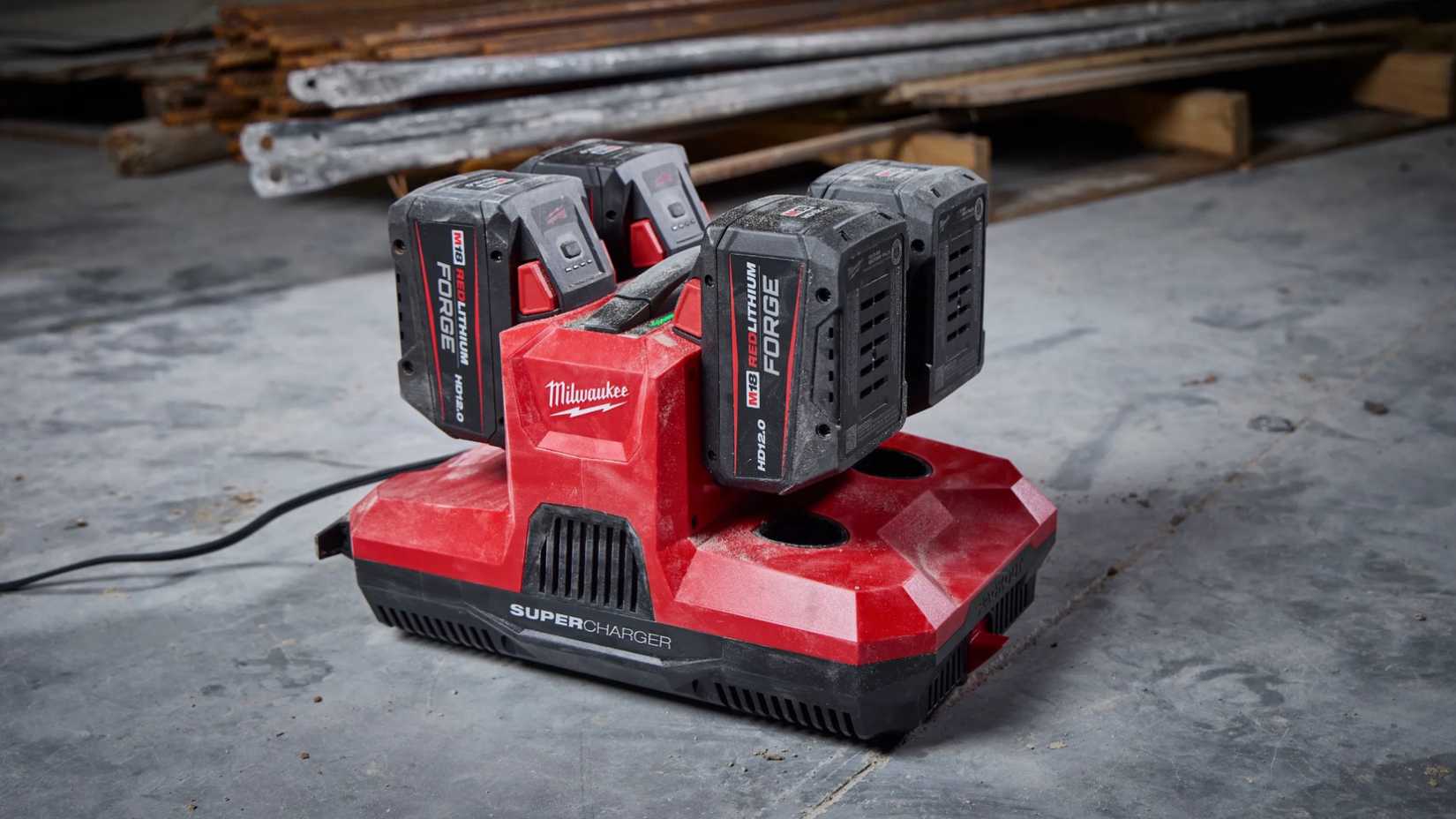
The transition from nickel-cadmium to lithium-ion batteries revolutionized the power tool industry, offering longer runtimes and consistent power delivery. However, this chemistry is notoriously sensitive to temperature. One of the most damaging habits observed among tool users is the mismanagement of battery heat cycles. In a fast-paced environment, it is common practice to remove a depleted, hot battery from a drill and immediately snap it into a fast charger. Similarly, users often pull a battery off the charger the moment the light turns green, even if the casing is still warm to the touch, and immediately put it under heavy load.
While premium charging systems from manufacturers like DeWalt and Milwaukee feature advanced circuitry designed to analyze cell health and detect temperature, they cannot entirely circumvent the laws of physics. These chargers are often programmed to delay the charging process until the battery reaches an acceptable temperature, but "acceptable" does not always mean "optimal." When a battery is charged while warm, the internal resistance increases, which can lead to a breakdown of the chemical structure over time. This degradation manifests as reduced capacity and a diminished ability to provide the high-torque bursts required for demanding tasks.
Furthermore, a compromised battery does more than just die quickly; it forces the drill’s motor to work harder to compensate for inconsistent voltage. This creates a feedback loop of excessive heat. As the battery struggles to provide power, the motor draws more current, generating internal heat that can eventually damage the drill’s electronic control board or melt the insulation on the motor windings. Maintaining a healthy rotation of batteries and allowing them to reach ambient room temperature before and after charging is a fundamental practice that can extend the life of both the power source and the tool itself.
Mechanical Stress and the Misuse of Gear and Clutch Settings
The mechanical complexity of a modern drill-driver is often overlooked. Most high-end drills feature a multi-speed gearbox and an adjustable clutch, yet these features are frequently ignored or misunderstood. A common "drill-killing" habit is the failure to match the gear setting to the task at hand. Most drills offer a high-torque/low-speed setting (Gear 1) and a low-torque/high-speed setting (Gear 2). Using Gear 2 to drive large lag bolts or heavy-duty screws places immense strain on the motor and the planetary gear system. This is akin to trying to start a manual transmission car in fifth gear; the motor must exert maximum effort to overcome the resistance, leading to rapid heat buildup and potential gear stripping.
Equally important is the transition between these gears. Much like a vehicle’s transmission, a drill’s gears should never be switched while the motor is in motion. Engaging the gear selector while the chuck is still spinning can lead to "gear jumping," where the teeth of the gears grind against one another. Over time, this rounds off the edges of the gears, eventually leading to a tool that slips under load or fails to engage a gear entirely. Experts suggest waiting a few seconds after releasing the trigger to ensure the internal mechanism has come to a complete stop before adjusting the speed or mode.

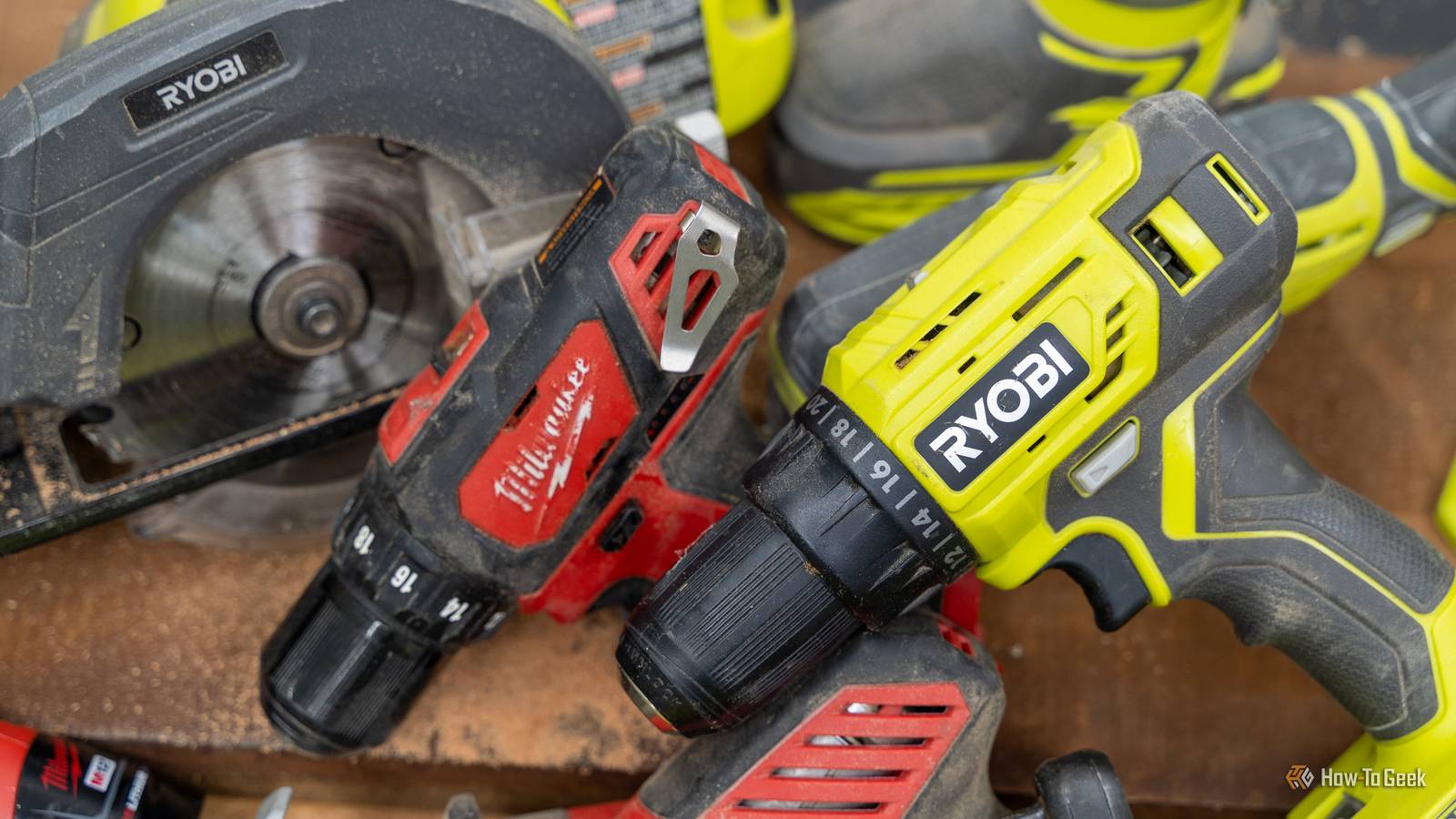
The clutch, or the numbered collar behind the chuck, is another frequently neglected component. Its purpose is to disengage the drive train once a specific level of resistance is met, preventing the user from over-driving screws or stripping heads. When users leave the drill in "drill mode" (which bypasses the clutch) while performing driving tasks, they lose this protective barrier. This not only risks damaging the workpiece but also subjects the tool to sudden, violent stops when a screw bottoms out. These "kickback" events send a shockwave of mechanical stress through the gearbox and can eventually lead to the failure of the internal braking system.
Respiration and the Danger of Internal Debris
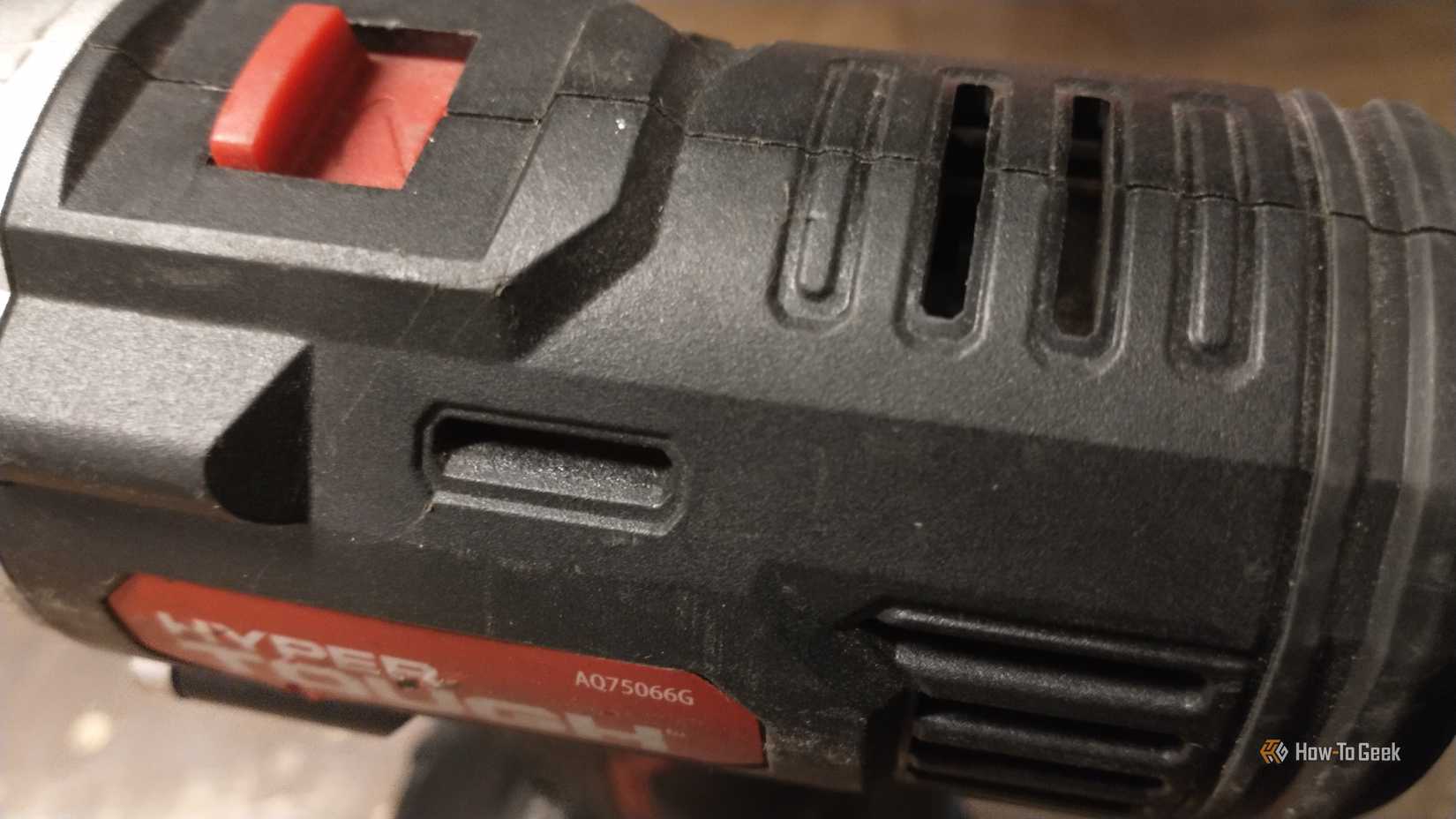
Modern cordless drills are marvels of airflow engineering. Because heat is the primary enemy of electric motors and printed circuit boards (PCBs), manufacturers design intricate ventilation paths to pull cool air over the internal components. However, the environments where these tools are most used—construction sites, workshops, and garages—are often filled with the very things that block these paths: sawdust, drywall dust, and metallic shavings.
Neglecting the cleanliness of a drill’s ventilation ports is a slow death sentence for the tool. When dust accumulates in the vents, it acts as an insulator, trapping heat inside the housing. In brushless models, which rely on sophisticated electronic speed controllers, this heat can be particularly devastating. Unlike traditional brushed motors, which might simply spark or lose efficiency when dirty, a brushless motor’s electronics can fail catastrophically if they overheat.
Maintenance of these vents requires more than a quick wipe with a rag. While many users are tempted to use compressed air to blow out their tools, this can sometimes be counterproductive, forcing fine particulates deeper into the bearings or the trigger switch assembly. A more effective method involves using a vacuum with a brush attachment to pull debris out of the tool. If a brush must be used, it is recommended to point the vents toward the ground so that dislodged material falls out of the tool rather than into the sensitive internal mechanisms. Ensuring that the tool can "breathe" is essential for maintaining the integrity of the internal switches and wiring.
Environmental Exposure and Moisture Protection
While professional-grade tools are built to be rugged, they are rarely waterproof. Exposure to the elements is a significant factor in the premature failure of power tools. It is a common sight on job sites to see drills left out on roofs, workbenches, or in the beds of trucks during passing rain showers or snow. Even if the tool appears to function after getting wet, the long-term damage is often already done.
Moisture that enters through the ventilation ports or around the trigger can lead to the corrosion of copper contacts and the oxidation of the PCB. This corrosion creates high-resistance points that generate even more heat or, in worse cases, leads to short circuits that can fry the tool’s electronics instantly. Even high humidity or storing tools in unheated, damp sheds can lead to "wicking," where moisture is drawn into the internal components over time.
The solution is simple but often ignored: the use of protective cases and bags. Carrying the drill in its original hard case or a dedicated tool bag provides a necessary barrier against the environment. Even a few minutes of exposure to heavy rain can be enough to compromise the delicate sensors found in modern "smart" tools. Protecting the tool from moisture is a critical habit that safeguards the intricate electronic heartbeat of the device.
The Physics of Drilling: Efficiency Over Force
The final habit that frequently leads to tool failure is the application of excessive physical force. There is a common tendency among users to lean their full body weight into a drill when a bit isn’t cutting through material as quickly as expected. This "wiggling" or "shaking" of the drill to force a path through wood or metal is a clear indicator of a dull bit or the wrong tool setting.
Power tools are designed to let the accessory—the bit—do the work. When a user applies excessive downward pressure, they are not only straining their own body but also overloading the drill’s motor and putting lateral stress on the chuck and spindle bearings. This can lead to a "wobble" in the chuck over time, destroying the tool’s precision. Furthermore, the friction created by forcing a dull bit generates immense heat, which is then conducted back through the chuck and into the gearbox.
Proper bit selection and maintenance are inseparable from tool longevity. Using a bit with the correct geometry for the material—such as High-Speed Steel (HSS) for metal or specialized spurs for wood—ensures that the motor operates within its intended load range. Additionally, managing drill speed is vital; drilling through metal requires a slower speed to manage heat dissipation, while wood typically allows for medium speeds. For deep holes, drilling in increments to clear shavings prevents the bit from binding, which is one of the most common causes of motor stall and subsequent electrical strain.
In conclusion, the lifespan of a power drill is a direct reflection of the operator’s habits. While the engineering prowess of brands like Milwaukee and DeWalt provides a sturdy foundation, it cannot fully compensate for thermal abuse, mechanical mismanagement, or environmental neglect. By fostering better habits—such as allowing batteries to cool, using the correct gear settings, maintaining airflow, and letting the bit do the work—users can ensure that their investment remains a reliable partner for years to come. Bad habits may be hard to break, but they are far easier to fix than a burnt-out motor or a shattered gearbox.
 Tech Tutorials & How-To Guides
The Unseen Ecosystem: Why Samsung’s Most Powerful One UI Features Remain Hidden to Most Users
In the hyper-competitive landscape of global smartphone manufacturing, Samsung Electronics has long...
 Tech Tutorials & How-To Guides
Asustor Lockerstor 2 Gen2+ NAS Review: A High-Security Storage Solution for Power Users and Small Businesses
In the rapidly evolving landscape of network-attached storage (NAS), the market is...
 Tech Tutorials & How-To Guides
Microsoft Security Reports Highlight Growing Need for Advanced Windows 11 Protection Measures
The landscape of digital security is undergoing a fundamental shift as cybercriminals...







