
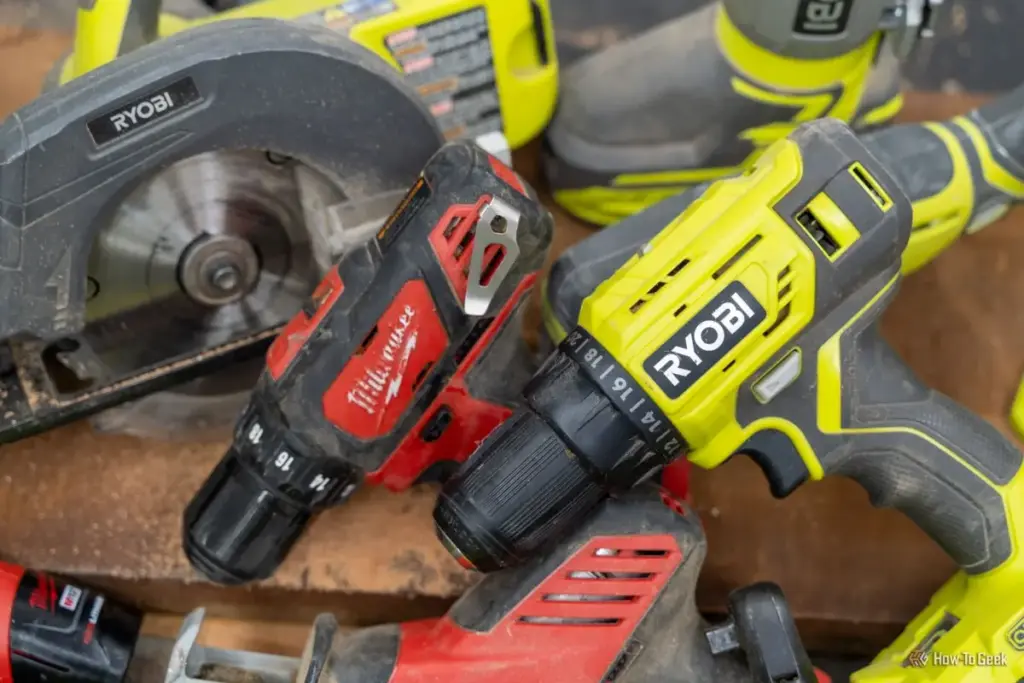
Equally important is the transition between these gears. Much like a vehicle’s transmission, a drill’s gears should never be switched while the motor is in motion. Engaging the gear selector while the chuck is still spinning can lead to "gear jumping," where the teeth of the gears grind against one another. Over time, this rounds off the edges of the gears, eventually leading to a tool that slips under load or fails to engage a gear entirely. Experts suggest waiting a few seconds after releasing the trigger to ensure the internal mechanism has come to a complete stop before adjusting the speed or mode.

The clutch, or the numbered collar behind the chuck, is another frequently neglected component. Its purpose is to disengage the drive train once a specific level of resistance is met, preventing the user from over-driving screws or stripping heads. When users leave the drill in "drill mode" (which bypasses the clutch) while performing driving tasks, they lose this protective barrier. This not only risks damaging the workpiece but also subjects the tool to sudden, violent stops when a screw bottoms out. These "kickback" events send a shockwave of mechanical stress through the gearbox and can eventually lead to the failure of the internal braking system.
Respiration and the Danger of Internal Debris
Modern cordless drills are marvels of airflow engineering. Because heat is the primary enemy of electric motors and printed circuit boards (PCBs), manufacturers design intricate ventilation paths to pull cool air over the internal components. However, the environments where these tools are most used—construction sites, workshops, and garages—are often filled with the very things that block these paths: sawdust, drywall dust, and metallic shavings.
Neglecting the cleanliness of a drill’s ventilation ports is a slow death sentence for the tool. When dust accumulates in the vents, it acts as an insulator, trapping heat inside the housing. In brushless models, which rely on sophisticated electronic speed controllers, this heat can be particularly devastating. Unlike traditional brushed motors, which might simply spark or lose efficiency when dirty, a brushless motor’s electronics can fail catastrophically if they overheat.
Maintenance of these vents requires more than a quick wipe with a rag. While many users are tempted to use compressed air to blow out their tools, this can sometimes be counterproductive, forcing fine particulates deeper into the bearings or the trigger switch assembly. A more effective method involves using a vacuum with a brush attachment to pull debris out of the tool. If a brush must be used, it is recommended to point the vents toward the ground so that dislodged material falls out of the tool rather than into the sensitive internal mechanisms. Ensuring that the tool can "breathe" is essential for maintaining the integrity of the internal switches and wiring.
Environmental Exposure and Moisture Protection
While professional-grade tools are built to be rugged, they are rarely waterproof. Exposure to the elements is a significant factor in the premature failure of power tools. It is a common sight on job sites to see drills left out on roofs, workbenches, or in the beds of trucks during passing rain showers or snow. Even if the tool appears to function after getting wet, the long-term damage is often already done.
 Tech Tutorials & How-To Guides
Thrills and Psychological Chills: Netflix Bolsters October Lineup With ‘Unabomber’ and Genre Classics
As the calendar turns to the first full week of October, the...
 Tech Tutorials & How-To Guides
Amazon Unveils Comprehensive 2026 Kindle Overhaul Featuring First Color Scribe and Thinner Designs
Amazon has officially announced a sweeping transformation of its entire Kindle ecosystem,...
 Tech Tutorials & How-To Guides
Reliability Without the Premium Price: The Evolution of Affordable Multi-Tools for Modern Everyday Carry
The concept of "Everyday Carry," or EDC, has evolved from a niche...







