
For several years, Apple’s ambitions in the smart home sector have appeared to be in a state of calculated suspension. While the company’s competitors, such as Amazon and Google, have flooded the market with a rapid succession of smart speakers, displays, and peripheral sensors, Apple’s primary home offerings—the HomePod mini and the Apple TV—have remained largely static. With the current iterations of these devices now reaching four to six years in age, industry observers have noted a significant gap between Apple’s hardware capabilities and its burgeoning software ecosystem.
The primary bottleneck, according to various supply chain reports and industry analysts, has been the evolution of Siri. For years, the digital assistant’s limitations in natural language processing and contextual awareness served as a hurdle for new hardware releases. However, with the formal introduction of Apple Intelligence and the fundamental rebuilding of Siri through large language models, the hardware roadmap has finally been cleared. Apple is now reportedly poised to launch a comprehensive overhaul of its home product lineup, leveraging advanced silicon to bring local AI processing to the center of the living room.
Imminent hardware refreshes: HomePod mini and Apple TV 4K
The first wave of this product offensive is expected to arrive as early as this fall, focusing on the core devices that currently anchor Apple’s home strategy. The HomePod mini, which has remained essentially unchanged since its debut in late 2020, is slated for a significant internal upgrade. While the exterior design is expected to remain familiar, the internal architecture will likely see a jump from the aging S5 chip to the S9 chip, or potentially a more advanced variant.
This transition in silicon is not merely about speed; it is about enabling the device to handle the demands of modern AI. The S9 chip, which debuted in the Apple Watch Series 9, features a dedicated four-core Neural Engine that can process machine learning tasks significantly faster than its predecessors. In the context of a smart speaker, this could allow for faster Siri response times and the ability to process more requests locally without relying on the cloud. Furthermore, the updated HomePod mini is expected to include the N1 wireless chip—the same second-generation Ultra Wideband (UWB) silicon found in the iPhone 15 series. This would enhance the "Handoff" experience, allowing for more precise handovers of music and podcasts between an iPhone and the speaker, as well as improved spatial awareness within the home.
Alongside the audio improvements and potential new colorways, the Apple TV 4K is also due for a refresh. Current reporting suggests a transition to the A17 Pro chip. While the A17 Pro will be a year old by the time of release, it represents a massive leap over the A15 Bionic currently found in the Apple TV. Crucially, the A17 Pro was the first of Apple’s mobile chips designed specifically with Apple Intelligence in mind, featuring the performance overhead required for complex generative AI tasks.
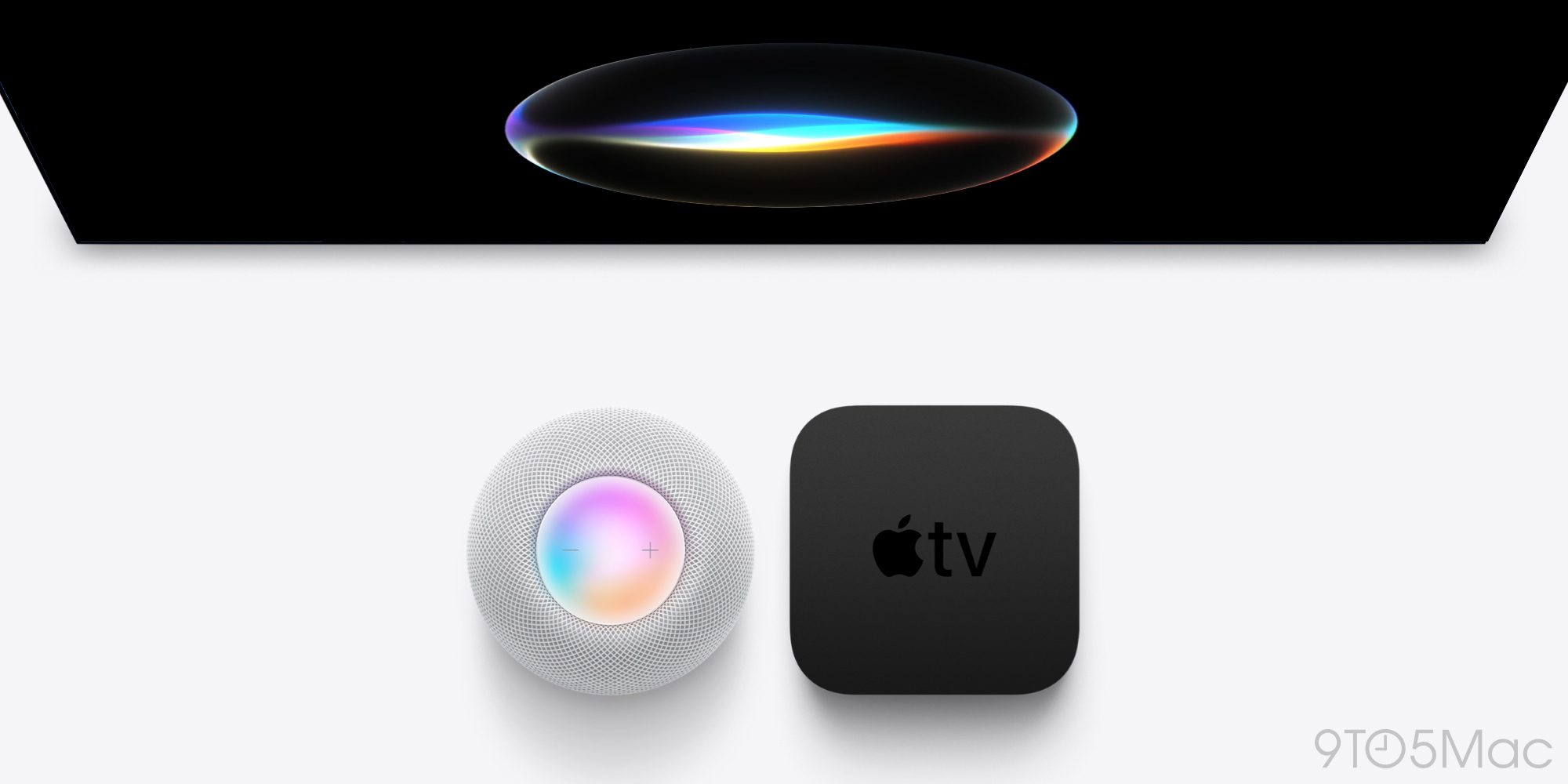
The inclusion of the A17 Pro would likely make the Apple TV the most powerful smart home hub on the market, potentially allowing it to serve as a local "brain" for other HomeKit devices. This chip bump would also support advanced gaming capabilities and, more importantly, enable Siri to perform complex on-device actions that were previously impossible. There are also indications that Apple may introduce a tweaked design for the Siri Remote, focusing on improved ergonomics and potentially better integration with the "Find My" network. Despite these hardware advancements, Apple is expected to maintain its current pricing structure, with the HomePod mini positioned at $129 and the Apple TV 4K starting at $199, following the price adjustments seen earlier this summer.
The emergence of homeOS and dedicated smart displays
While refreshes of existing products represent the immediate future, Apple is also moving toward entirely new product categories. For years, rumors have circulated regarding a dedicated smart home hub—a device intended to bridge the gap between a smart speaker and an iPad. This project has reportedly moved into an advanced stage of development, with two distinct variants in the works.
The first version is described as a pure display-based hub, designed to be mounted on walls via a magnetic system. This would allow users to place the screen in high-traffic areas like kitchens or entryways to control lighting, view security camera feeds, and manage family calendars. The second variant is expected to feature a speaker base, similar in concept to the Google Nest Hub or the Amazon Echo Show, providing a more versatile tabletop experience.
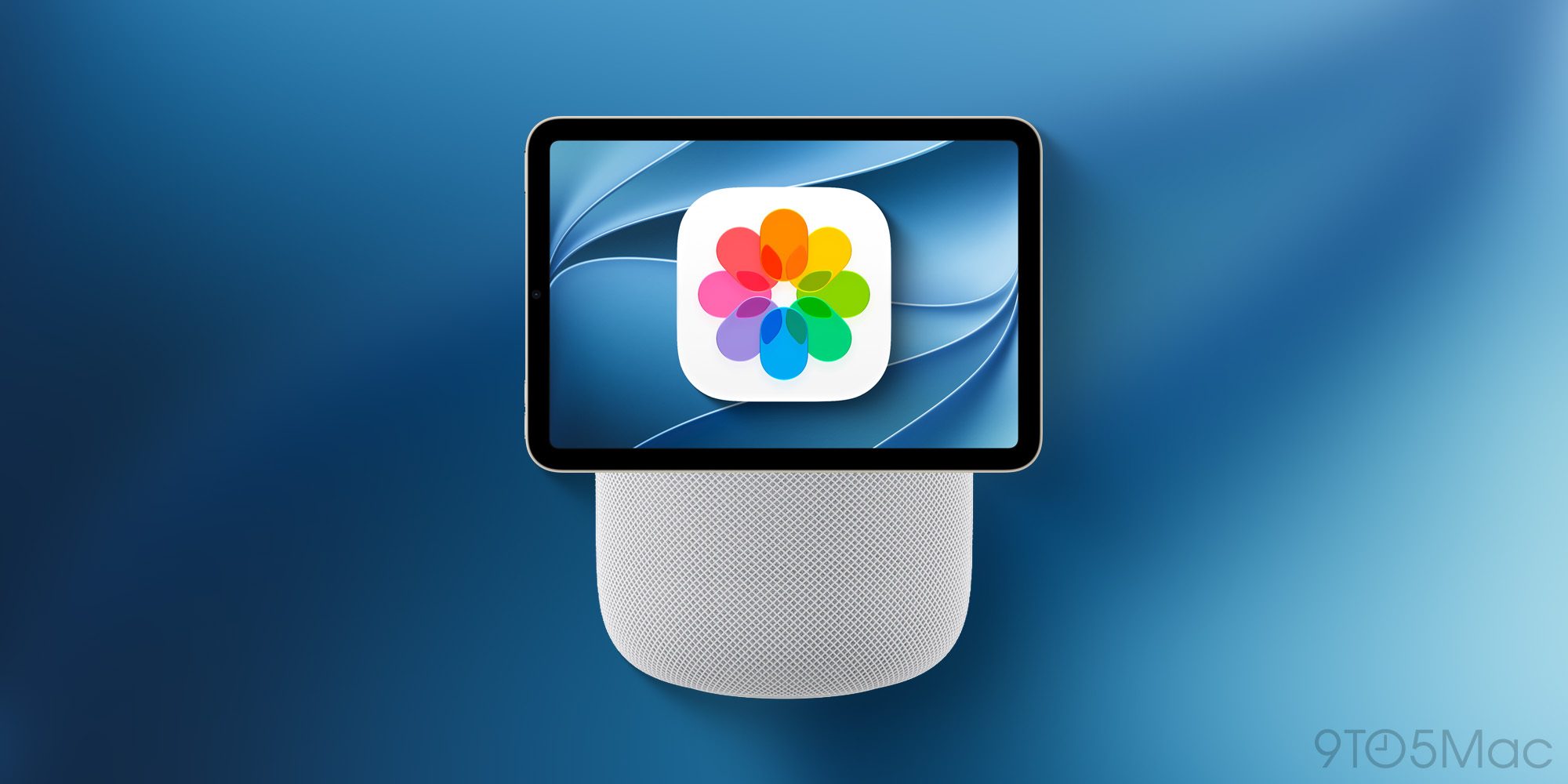
Both versions of this hub are expected to run a new operating system, currently referred to internally as "homeOS." This software will likely be a derivative of tvOS but optimized for touch interaction and glanceable information. A critical component of these devices will be the 7-inch square display, a form factor that distinguishes it from the rectangular orientation of the iPad. Under the hood, these hubs are expected to utilize the A18 chip, ensuring they have the computational power to run the full suite of Apple Intelligence features.
The "HomePad," as it has been colloquially dubbed, is set to debut between late 2024 and early 2025. It will serve as a dedicated station for FaceTime calls, smart home management, and interactive Siri AI queries. By moving away from iPadOS and toward homeOS, Apple can create a UI that is purpose-built for a shared household environment rather than a personal productivity device. Additionally, there are persistent reports that the full-size HomePod will see another update during this period, primarily to bring its processing power in line with the AI requirements of the rest of the lineup.
Long-term expansion: Security and robotics
Looking further into the 2026 and 2027 window, Apple’s strategy appears to involve a deeper vertical integration of the smart home ecosystem. For years, Apple has provided the software framework—HomeKit—for third-party manufacturers to build cameras, lights, and sensors. However, the company is now preparing to enter the hardware accessory market directly.
Plans are reportedly underway for Apple-branded security cameras and a smart video doorbell. By manufacturing its own security hardware, Apple can offer a level of privacy integration that third-party manufacturers struggle to match. These devices would likely feature deep integration with iCloud+ and HomeKit Secure Video, offering end-to-end encryption for home surveillance footage. This move marks a significant shift in Apple’s business model, as it begins to compete directly with established players like Ring and Nest in the security space.
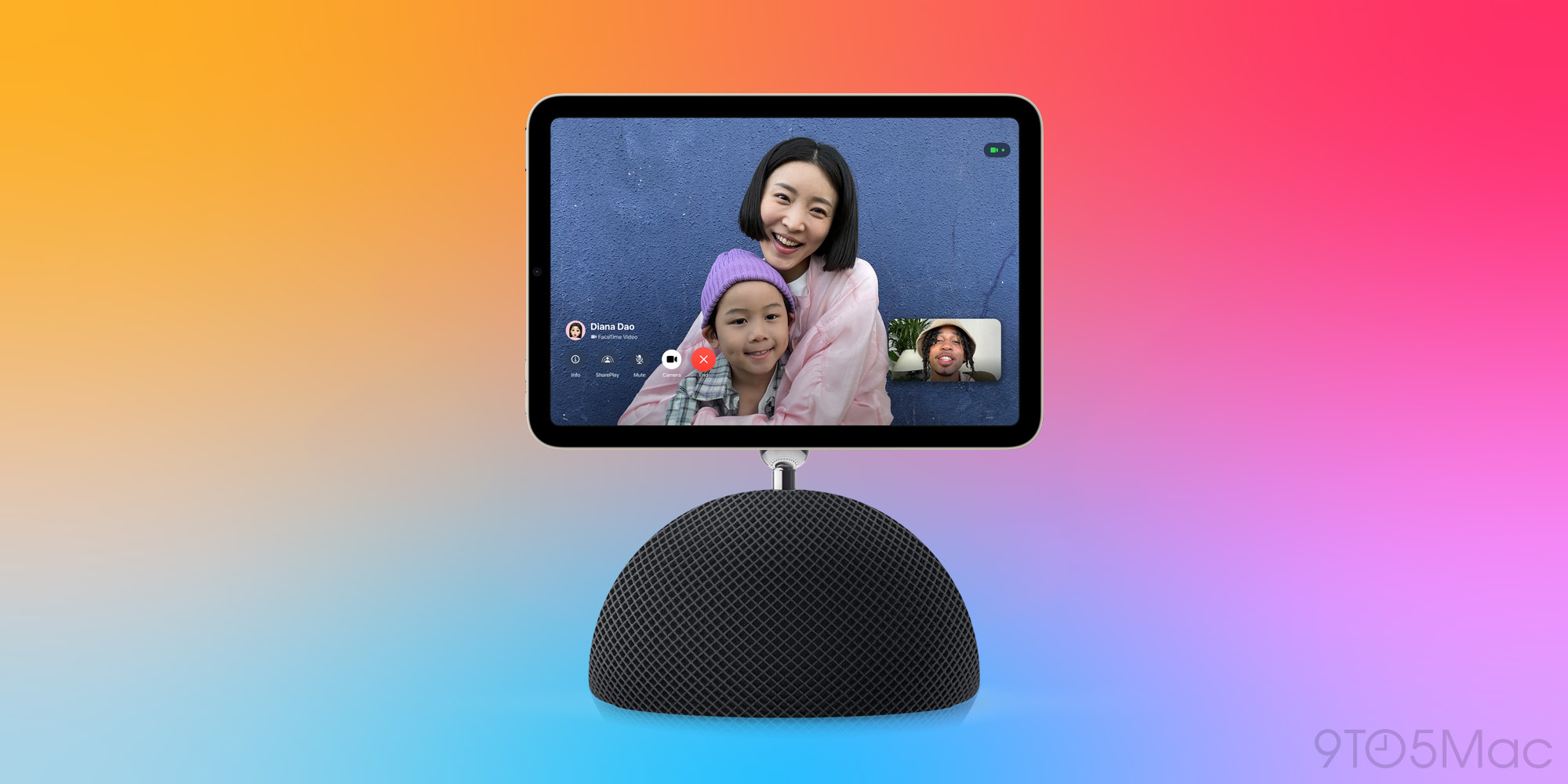
Perhaps the most ambitious project in Apple’s long-term pipeline is a high-end version of its smart display that incorporates robotics. This device is described as a tabletop robot, featuring a larger 9-inch display mounted on a motorized robotic arm. The arm would allow the screen to tilt and rotate 360 degrees, automatically tracking a user as they move around a room during a FaceTime call or while following a recipe.
This tabletop robot represents Apple’s exploration into "actuators" and moving hardware, a field the company has researched for years but has yet to commercialize. While the product is still several years away, it signals Apple’s belief that the future of the smart home is not just about stationary speakers and screens, but about devices that can actively interact with and adapt to the physical environment of the user.

As Siri transitions from a simple voice command interface into a sophisticated AI assistant, the hardware supporting it must evolve. The upcoming roadmap suggests that Apple is no longer content with being a secondary player in the home. By refreshing its core products and expanding into displays, security, and robotics, the company is attempting to build a cohesive, AI-driven ecosystem that finally brings the "Apple experience" to every corner of the house.
 Smart Home & IoT Solutions
Apple Ties New AI-Powered Home Security Features to Premium 2TB iCloud+ Subscription Tier
As Apple continues to integrate its sophisticated "Apple Intelligence" suite across its...
 Smart Home & IoT Solutions
Report: Apple ‘HomeView’ smart home hub will ship in November, come in four colors, A18 chip
The HomeView represents a departure from Apple’s previous hardware philosophies for the...
 Smart Home & IoT Solutions
Apple Signals Major Smart Home Push with AI-Driven Home App Upgrades and 4K Video Support in iOS 27
As Apple prepares for its highly anticipated "Welcome Home" special event scheduled...







