
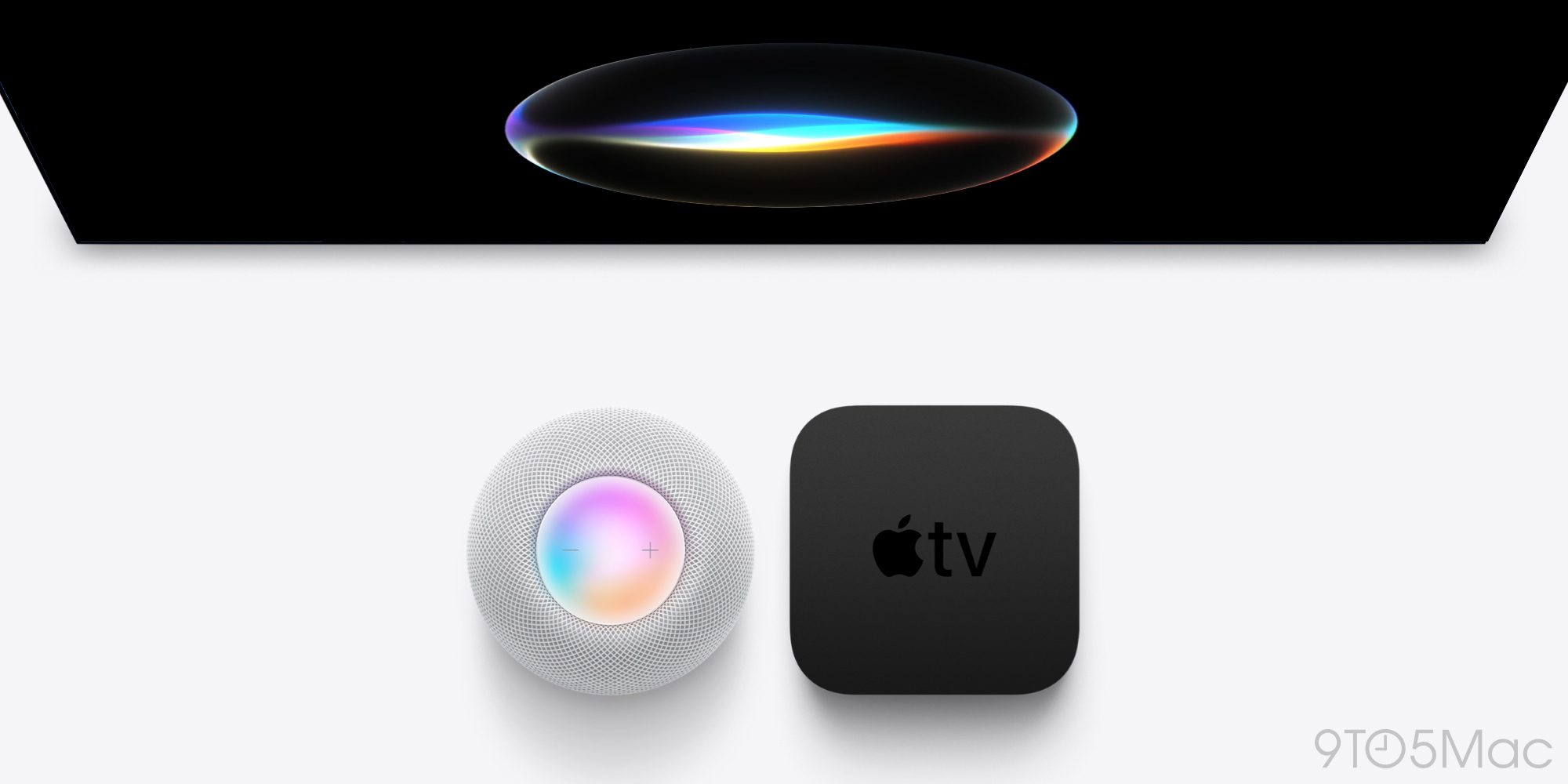
The inclusion of the A17 Pro would likely make the Apple TV the most powerful smart home hub on the market, potentially allowing it to serve as a local "brain" for other HomeKit devices. This chip bump would also support advanced gaming capabilities and, more importantly, enable Siri to perform complex on-device actions that were previously impossible. There are also indications that Apple may introduce a tweaked design for the Siri Remote, focusing on improved ergonomics and potentially better integration with the "Find My" network. Despite these hardware advancements, Apple is expected to maintain its current pricing structure, with the HomePod mini positioned at $129 and the Apple TV 4K starting at $199, following the price adjustments seen earlier this summer.
The emergence of homeOS and dedicated smart displays
While refreshes of existing products represent the immediate future, Apple is also moving toward entirely new product categories. For years, rumors have circulated regarding a dedicated smart home hub—a device intended to bridge the gap between a smart speaker and an iPad. This project has reportedly moved into an advanced stage of development, with two distinct variants in the works.
The first version is described as a pure display-based hub, designed to be mounted on walls via a magnetic system. This would allow users to place the screen in high-traffic areas like kitchens or entryways to control lighting, view security camera feeds, and manage family calendars. The second variant is expected to feature a speaker base, similar in concept to the Google Nest Hub or the Amazon Echo Show, providing a more versatile tabletop experience.
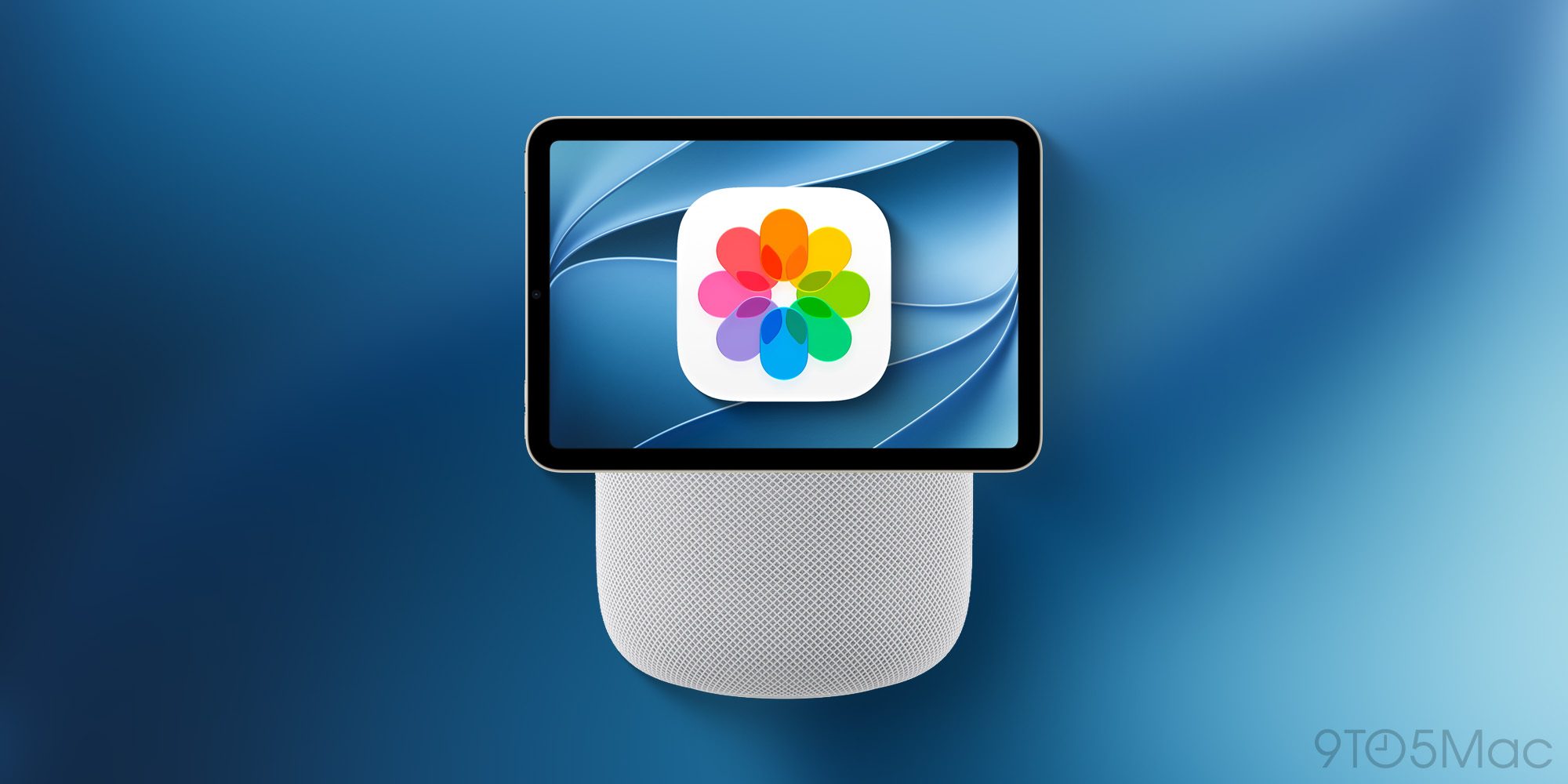
Both versions of this hub are expected to run a new operating system, currently referred to internally as "homeOS." This software will likely be a derivative of tvOS but optimized for touch interaction and glanceable information. A critical component of these devices will be the 7-inch square display, a form factor that distinguishes it from the rectangular orientation of the iPad. Under the hood, these hubs are expected to utilize the A18 chip, ensuring they have the computational power to run the full suite of Apple Intelligence features.
The "HomePad," as it has been colloquially dubbed, is set to debut between late 2024 and early 2025. It will serve as a dedicated station for FaceTime calls, smart home management, and interactive Siri AI queries. By moving away from iPadOS and toward homeOS, Apple can create a UI that is purpose-built for a shared household environment rather than a personal productivity device. Additionally, there are persistent reports that the full-size HomePod will see another update during this period, primarily to bring its processing power in line with the AI requirements of the rest of the lineup.
 Smart Home & IoT Solutions
Abode Expands Apple Home Ecosystem with New Specialized Sensors for Perimeter Security
The landscape of DIY home security continues to evolve as manufacturers shift...
 Smart Home & IoT Solutions
Schlage Set to Launch Sense Pro Smart Deadbolt with Ultra Wideband Support for Seamless Apple Home Integration
The landscape of the modern smart home is undergoing a significant shift...
 Smart Home & IoT Solutions
Apple’s Smart Home Expansion Revealed: New ‘Proximity Control’ Feature Set to Debut with LG-Partnered Accessories
As Apple prepares for its highly anticipated "Welcome Home" special event scheduled...







