
The ecosystem surrounding Apple moves at a relentless pace, with hardware leaks, product releases, regulatory filings, and legal developments constantly reshaping the consumer technology landscape. In a single week, details surrounding an array of upcoming Apple products have come to light, alongside crucial updates for current device owners and consumers awaiting compensation from past class-action litigation.
From early technical specifications for next-generation devices to specialized shipping protocols for flagship smartphones, the latest developments provide a detailed look into Apple’s near-term strategy and long-term hardware pipeline.
Top Stories
Leaks Detail Upcoming iPad Mini, HomePod Mini, Apple TV 4K, and New Operating System
Internal leaks uncovered this week have provided an early look at several refreshed hardware models expected to debut during an upcoming October product event. The details indicate that Apple is preparing to refresh several key product lines, including the iPad mini, the HomePod mini, and the Apple TV 4K, alongside the debut of an entirely new operating system tailored to complement incoming hardware.
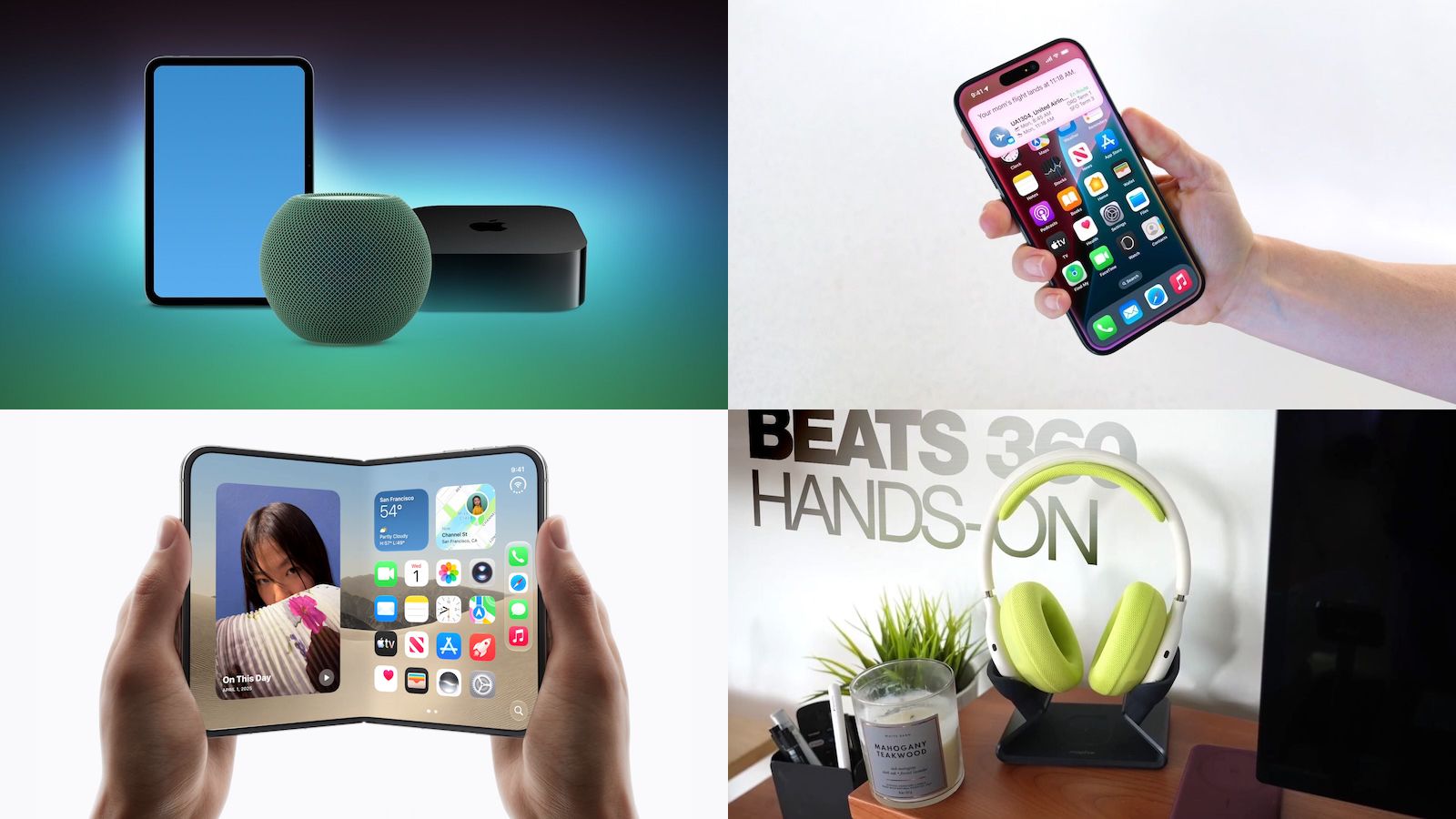
The leaked information regarding the eighth-generation iPad mini points to substantial internal and external upgrades. Most notably, the compact tablet is slated to feature an A20 Pro processor, delivering a significant boost in performance and power efficiency. Design changes are also evident, including a redesigned speaker layout and a repositioned front-facing camera aligned for landscape orientation, reflecting how most users position their devices during video calls.
In addition to the iPad mini, leaked product images show that the HomePod mini is set to receive its first aesthetic refresh in several years, introducing new color options including green and pink. Meanwhile, evidence points to the arrival of a fourth-generation Apple TV 4K. The home entertainment device has not seen a hardware update in nearly four years, making a refreshed model a long-anticipated addition to Apple’s living room strategy.
Beyond the hardware slated for an October unveiling, separate code leaks have confirmed initial details regarding the standard 12th-generation iPad. However, unlike the iPad mini, HomePod mini, and Apple TV 4K, the entry-level 12th-generation iPad is not expected to officially launch until early next year.
Siri AI Settlement Portal Goes Live with Payments for Eligible iPhone Owners
Following a $250 million agreement reached in May to resolve a class-action lawsuit over delayed Siri AI features, the official settlement website has officially launched, enabling impacted consumers to submit their claims.
The lawsuit alleged that Apple misled consumers regarding the launch timeline and availability of enhanced artificial intelligence features for Siri. Under the terms of the settlement, eligible iPhone owners can submit claims online through December 21. The claim window opened on September 21.
Apple is expected to pay an average of $25 per eligible device. However, the exact payout per customer will depend on the overall volume of valid claims filed before the deadline, along with associated legal fees and administrative costs. Court documents state that individual payouts could reach a maximum threshold of $95 per device.
Despite agreeing to the $250 million payout, Apple has formally denied all allegations of wrongdoing and liability. The company stated that it chose to settle the class-action suit primarily to avoid the substantial financial costs, distraction, and inherent unpredictability of a prolonged trial.
iPhone 18 Pro Max Requires Custom ‘Prepare to Ship’ Firmware to Comply with Battery Regulations
The newly released iPhone 18 Pro Max has introduced a novel engineering requirement driven by international transport safety regulations. Because the device features a single-cell battery with a capacity exceeding 20 watt-hours (Wh), it triggers specific shipping restrictions governing the transport of high-capacity lithium-ion batteries.
To comply with these safety standards without altering the physical design of the device, Apple developed an integrated battery-firmware solution. Factory-fresh iPhone 18 Pro Max units are capped via firmware to operate below the 20Wh capacity threshold during initial assembly, warehouse storage, and transit. Once a customer receives and activates the device, the firmware restriction is automatically lifted, granting access to the battery’s full operational capacity.
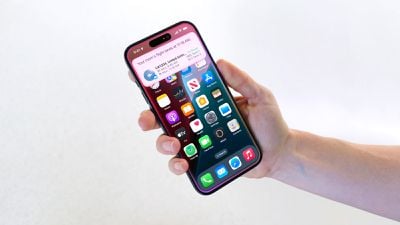
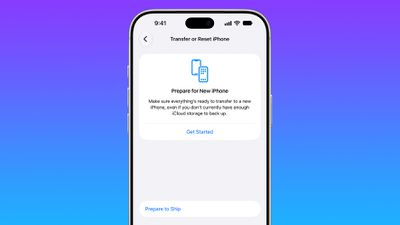
This system also impacts existing owners who need to transport their devices for repairs, trade-ins, or returns. Apple has introduced a software feature called "Prepare to Ship" within the device settings. When initiated, Prepare to Ship actively discharges the battery to a safe level below 20Wh and re-engages the temporary firmware cap, ensuring the device remains compliant with shipping safety standards throughout the return transit process.
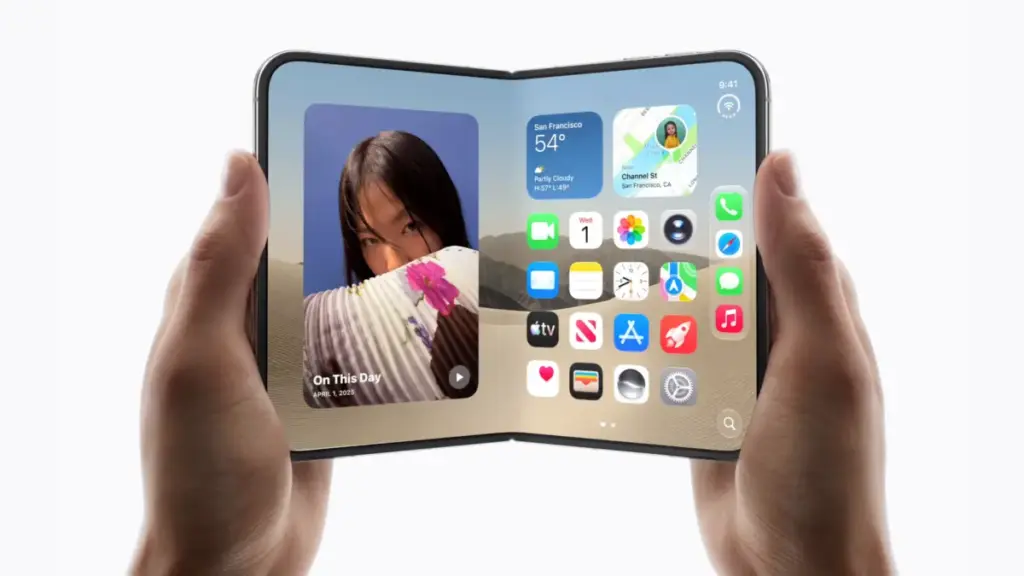
Apple Executive Addresses Crease Concerns on Foldable iPhone Duo
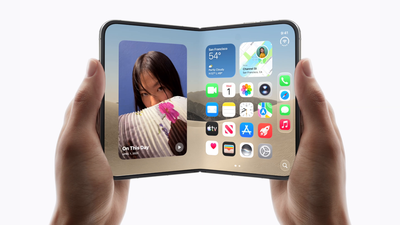
As anticipation builds for the upcoming iPhone Duo—Apple’s foray into the foldable smartphone market—company executives are beginning to address long-standing industry challenges associated with flexible displays. In an interview with TechRadar, Tom Marieb, Apple’s Vice President of Hardware Engineering, offered candid insights into the design decisions behind the foldable device.
One of the primary criticisms leveled against foldable smartphones has been the long-term visibility and degradation of the screen crease. Marieb highlighted that the iPhone Duo incorporates a matte nano-texture display engineered specifically to reduce reflections and minimize the visual prominence of the center crease. When asked whether the crease would become more pronounced over time through repeated folding, Marieb expressed confidence in the durability of the nano-texture finish and urged consumers and industry observers to hold the engineering team accountable regarding its long-term performance.
In addition to the anti-glare display technology, Marieb discussed the structural mechanics of the device, highlighting the custom-designed hinge architecture and the integration of Ceramic Shield 2 glass on the outer display to improve drop protection and scratch resistance.
Beats 360 Launches with Overhauled Acoustic Architecture and Modular Design
Apple’s Beats brand has officially introduced the Beats 360, a new pair of premium over-ear headphones priced at $349.99. Rather than replacing the existing Beats Studio Pro, the Beats 360 sits alongside it in the product lineup, prompting Apple to adjust the price of the Studio Pro down to $299.99.
The Beats 360 features a completely redesigned acoustic system aimed at delivering higher audio performance and enhanced active noise cancellation (ANC). According to technical specifications provided by the brand, the new headphones deliver up to 1.75 times more noise cancellation capacity than previous models, alongside a 12dB increase in maximum sound output while maintaining low distortion across high, mid, and low frequencies.
A central feature of the Beats 360 design is its focus on physical customizability. The headphones utilize interchangeable ear pads and headband cushions, allowing users to swap out components to create custom color combinations or replace worn padding over time. To encourage adoption of the modular system, initial purchase promotions include discounted accessory cushion kits.
Early Display Leaks Offer a Glimpse at the 20th-Anniversary iPhone 20 Pro Lineup
Although the current smartphone cycle is centered on the iPhone 18 series, early technical details regarding Apple’s 20th-anniversary device lineup—expected to launch in 2027 as the iPhone 20 series—have already begun to emerge online.
Information shared on Weibo by the tech leaker Digital Chat Station suggests that Apple plans to slightly expand the display dimensions for its future Pro models compared to current offerings:

- iPhone 20 Pro: Expected to feature a 6.41-inch display with a target resolution of approximately 2,686 × 1,236 pixels. By comparison, the iPhone 18 Pro features a 6.27-inch screen (marketed as 6.3 inches) with a resolution of 2,622 × 1,206 pixels.
- iPhone 20 Pro Max: Reportedly scaled up to a 6.96-inch display with a resolution of roughly 2,912 × 1,340 pixels. This marks an increase from the iPhone 18 Pro Max, which houses a 6.86-inch screen (marketed as 6.9 inches) with a resolution of 2,868 × 1,320 pixels.
While these display specifications remain subject to change given the distance from the projected 2027 release window, the early metrics indicate that Apple is continuing to push for incremental increases in screen real estate and pixel density across its flagship lineup.
MacRumors Newsletter
Each week, MacRumors publishes a comprehensive email newsletter summarizing the most significant developments, leaks, and product launches across the Apple landscape. The newsletter provides a concise recap of the week’s news, connecting individual announcements into a broader picture of industry trends and corporate strategy. Readers interested in receiving these weekly summaries directly to their inbox can subscribe via the official signup link.
 macOS & Apple IT Support
Apple Reverts to Soldered Storage on M6 and M5 Pro Mac Mini Models, Halving Base SSD Speeds via Single NAND Setup
Apple’s latest update to the Mac mini line brings a significant architectural...
 macOS & Apple IT Support
IFixit Teardown Highlights Variable Aperture, Vapor Chamber Cooling, and New Repairability Challenges in iPhone 18 Pro
In-depth device teardowns offer an unfiltered window into the intricate engineering hidden...
 macOS & Apple IT Support
Apple Reaches Agreement to Hire AI Audio Startup Huxe’s Key Personnel and License Its Technology
Apple has reached an agreement to recruit key personnel from Huxe, an...







