
Apple is expected to pay an average of $25 per eligible device. However, the exact payout per customer will depend on the overall volume of valid claims filed before the deadline, along with associated legal fees and administrative costs. Court documents state that individual payouts could reach a maximum threshold of $95 per device.
Despite agreeing to the $250 million payout, Apple has formally denied all allegations of wrongdoing and liability. The company stated that it chose to settle the class-action suit primarily to avoid the substantial financial costs, distraction, and inherent unpredictability of a prolonged trial.
iPhone 18 Pro Max Requires Custom ‘Prepare to Ship’ Firmware to Comply with Battery Regulations
The newly released iPhone 18 Pro Max has introduced a novel engineering requirement driven by international transport safety regulations. Because the device features a single-cell battery with a capacity exceeding 20 watt-hours (Wh), it triggers specific shipping restrictions governing the transport of high-capacity lithium-ion batteries.
To comply with these safety standards without altering the physical design of the device, Apple developed an integrated battery-firmware solution. Factory-fresh iPhone 18 Pro Max units are capped via firmware to operate below the 20Wh capacity threshold during initial assembly, warehouse storage, and transit. Once a customer receives and activates the device, the firmware restriction is automatically lifted, granting access to the battery’s full operational capacity.
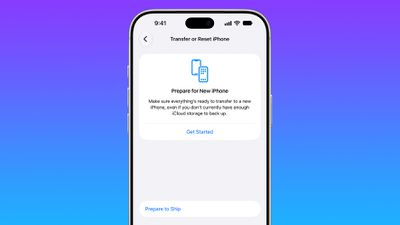
This system also impacts existing owners who need to transport their devices for repairs, trade-ins, or returns. Apple has introduced a software feature called "Prepare to Ship" within the device settings. When initiated, Prepare to Ship actively discharges the battery to a safe level below 20Wh and re-engages the temporary firmware cap, ensuring the device remains compliant with shipping safety standards throughout the return transit process.
Apple Executive Addresses Crease Concerns on Foldable iPhone Duo
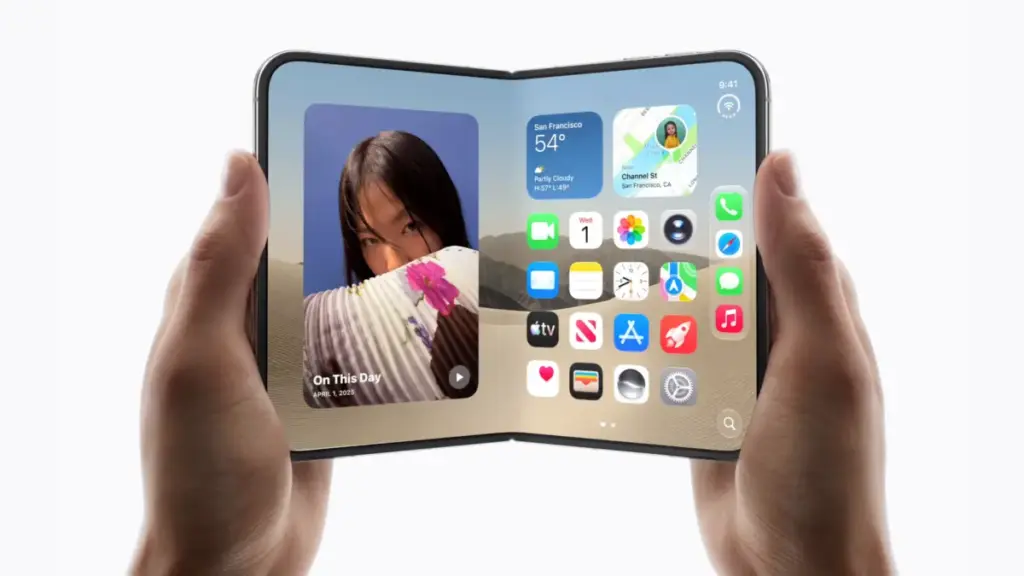
As anticipation builds for the upcoming iPhone Duo—Apple’s foray into the foldable smartphone market—company executives are beginning to address long-standing industry challenges associated with flexible displays. In an interview with TechRadar, Tom Marieb, Apple’s Vice President of Hardware Engineering, offered candid insights into the design decisions behind the foldable device.
One of the primary criticisms leveled against foldable smartphones has been the long-term visibility and degradation of the screen crease. Marieb highlighted that the iPhone Duo incorporates a matte nano-texture display engineered specifically to reduce reflections and minimize the visual prominence of the center crease. When asked whether the crease would become more pronounced over time through repeated folding, Marieb expressed confidence in the durability of the nano-texture finish and urged consumers and industry observers to hold the engineering team accountable regarding its long-term performance.
In addition to the anti-glare display technology, Marieb discussed the structural mechanics of the device, highlighting the custom-designed hinge architecture and the integration of Ceramic Shield 2 glass on the outer display to improve drop protection and scratch resistance.
 macOS & Apple IT Support
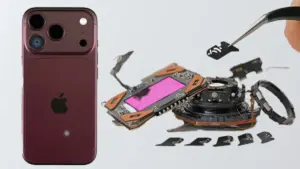
IFixit Teardown Highlights Variable Aperture, Vapor Chamber Cooling, and New Repairability Challenges in iPhone 18 Pro
In-depth device teardowns offer an unfiltered window into the intricate engineering hidden...
 macOS & Apple IT Support
Banks and Credit Unions to Team Up Against Apple Pay Fees
In a major procedural setback for Apple Inc., a U.S. federal judge...
 macOS & Apple IT Support
Amazon Launches Early Prime Big Deal Days Savings on Apple’s 2026 Mac Mini and Mac Studio Lineups
Amazon has officially initiated its early Prime Big Deal Days sales campaign,...







