
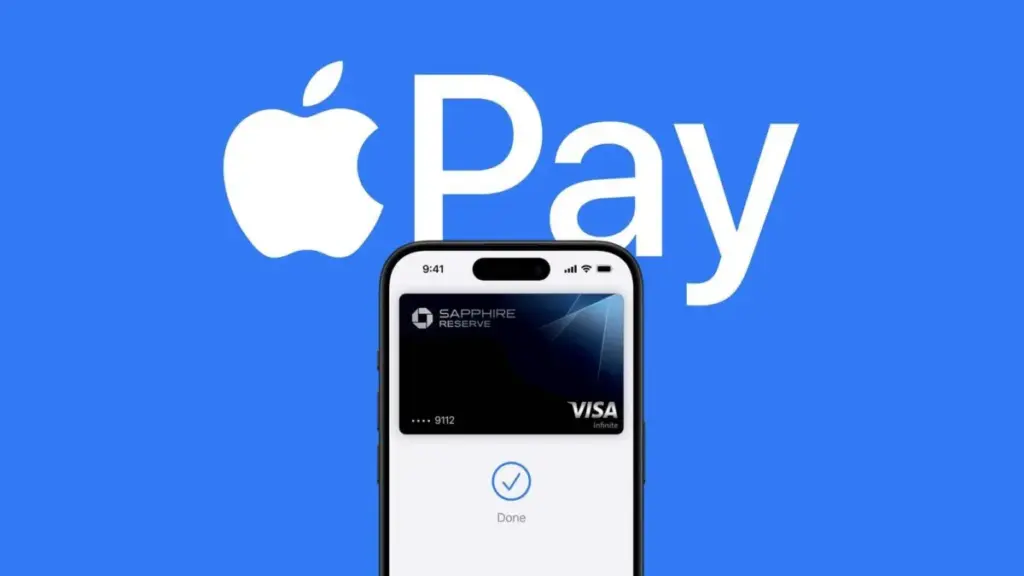
In a major procedural setback for Apple Inc., a U.S. federal judge has officially granted class action certification to a landmark antitrust lawsuit alleging that the technology giant illegally monopolizes the mobile wallet ecosystem on iOS devices and extracts up to $1 billion annually in excessive transaction fees from financial institutions.
The order, issued by U.S. District Judge Jeffrey White, clears the path for thousands of banks, credit unions, and financial entities across the United States to join forces in a collective legal battle against Cupertino. Under the certified class definition, the litigation now formally encompasses any U.S. entity that issued payment cards enabled for Apple Pay and subsequently paid Apple a fee for transactions conducted using those cards.
In addition to granting class certification, Judge White handed the plaintiffs another strategic victory by denying a motion filed by Apple that sought to exclude testimony from the plaintiffs’ economic experts. Legal representatives for the financial institutions intend to use this expert testimony to establish that Apple holds unchecked monopoly power over the mobile wallet market on the iPhone ecosystem, leveraging hardware restrictions to shelter its service from natural market forces and competitive pricing pressures.
First brought to federal court in 2022 by law firm Hagens Berman on behalf of impacted credit unions and community financial institutions, the antitrust complaint zeroes in on Apple’s strict control over the iPhone’s hardware architecture—specifically the Near Field Communication (NFC) chip responsible for facilitating contactless tap-to-pay transactions. The lawsuit contends that Apple engineered an illegal monopoly by restricting third-party financial institutions and payment developers from accessing the native NFC hardware. By shutting out competing digital wallet applications, Apple made Apple Pay the sole functional contactless payment system on hundreds of millions of active iOS devices.
This operational exclusivity, the lawsuit asserts, enabled Apple to impose unprecedented transaction fees on payment card issuers—fees that financial institutions argue they would never have to pay in an open, competitive marketplace. Under the established fee structure detailed in the complaint, every time an iPhone owner completes a purchase using a credit card linked to Apple Pay, the bank or credit union that issued the card is obligated to pay Apple a 0.15 percent fee, equivalent to 15 basis points. For debit card transactions, Apple assesses a flat fee of half a cent ($0.005) per transaction.
 macOS & Apple IT Support
Apple Confirms iPhone 18 Pro Max Cellular Outage on AT&T Network, Recommends Full Device Replacement for Affected Hardware
Apple has officially acknowledged a persistent technical issue impacting its latest flagship...
 macOS & Apple IT Support
Apple Reaches Agreement to Hire AI Audio Startup Huxe’s Key Personnel and License Its Technology
Apple has reached an agreement to recruit key personnel from Huxe, an...
 macOS & Apple IT Support
Apple Updates Free Invites App for iPhone With Full-Resolution Shared Albums, Photorealistic AI Backgrounds, and Simplified Email Verification
CUPERTINO, Calif. — Apple on Wednesday released a substantial software update for...







