
As Apple continues to integrate its sophisticated "Apple Intelligence" framework across its ecosystem, the latest developer previews are shedding light on how these features will be monetized and gated. While much of the focus during the Worldwide Developers Conference (WWDC) was on the generative capabilities of the iPhone and Mac, the company’s smart home ecosystem is also set for a significant transformation. However, a discovery within the fine print of the latest software releases suggests that the most advanced home security features will come with a mandatory monthly cost that may catch some users off guard.
In the release notes for macOS 27 beta 3, it has been revealed that users wishing to utilize the new AI-driven security camera features in the Apple Home app will be required to maintain a 2TB iCloud+ subscription. This requirement, which also applies to users on iOS 27 and iPadOS 27, marks a definitive shift in how Apple treats its HomeKit Secure Video (HKSV) service, effectively moving its most innovative utility behind a higher-tier paywall.
The Evolution of Intelligent Home App Notifications
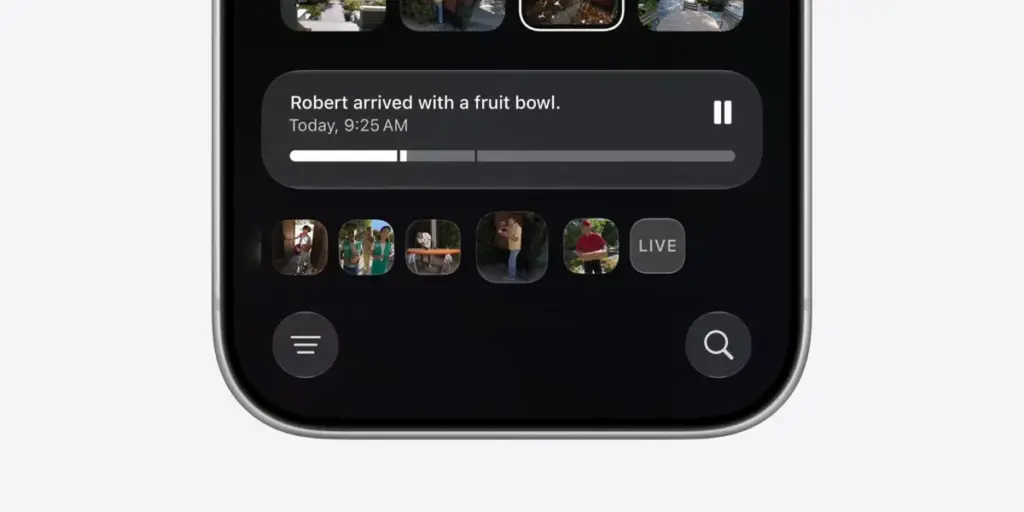
The primary draw of the upcoming Home app update is the integration of Apple Intelligence to solve a long-standing grievance for smart home enthusiasts: notification fatigue. Currently, a single event—such as a family member returning home—can trigger a relentless sequence of individual alerts. A user might receive a notification that motion was detected in the driveway, followed by an alert that the garage door opened, another when it closed, a notification from the front door camera, and finally a log that the smart lock was engaged.
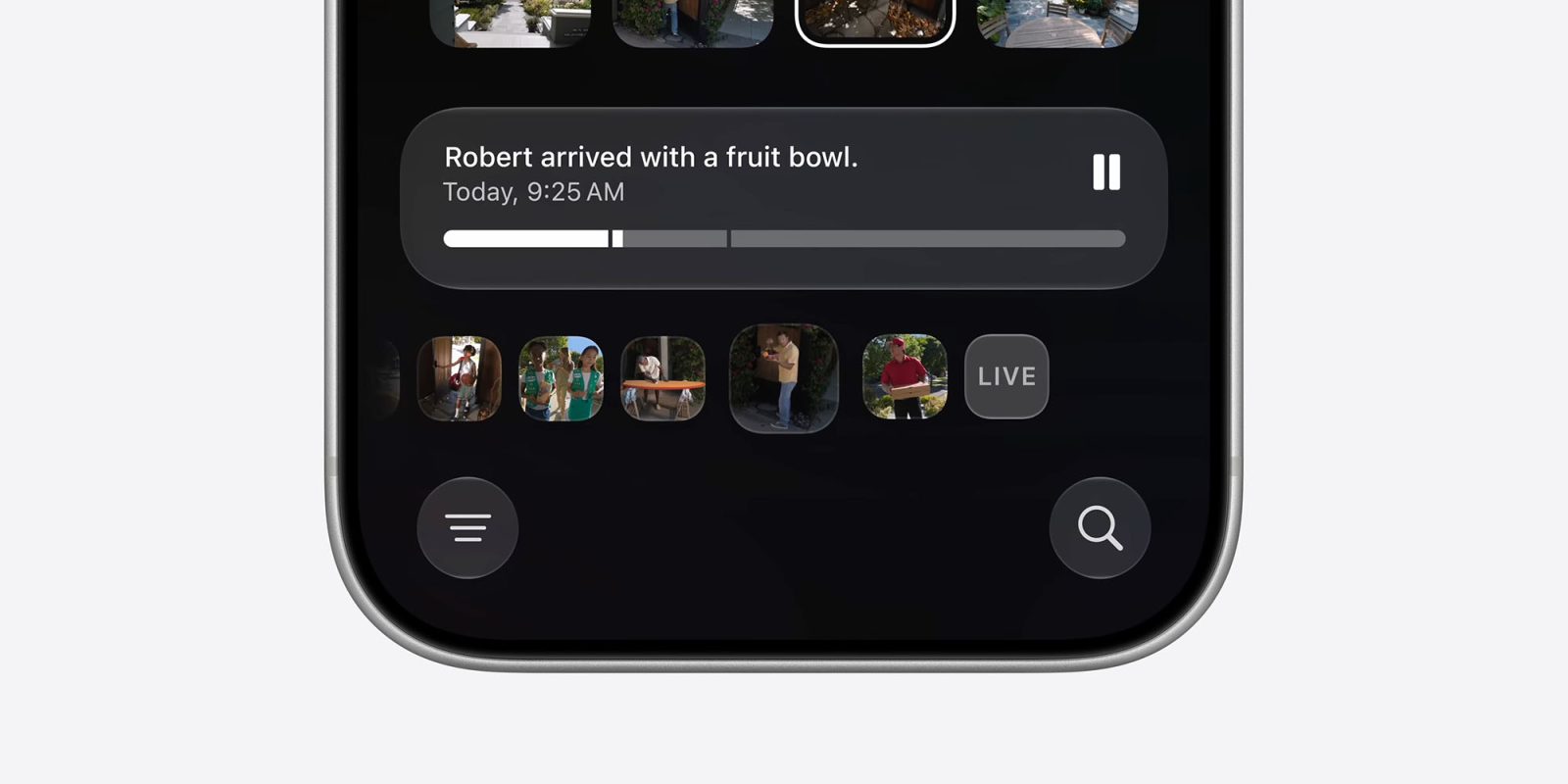
In the upcoming version of the Home app, Apple Intelligence aims to synthesize these disparate data points into a single, coherent narrative. Instead of a half-dozen pings, the system uses spatial awareness and facial recognition to provide a single summary notification: "Robert arrived home." This streamlining of information is designed to make the smart home feel more intuitive and less intrusive, ensuring that users are informed of meaningful events rather than being bombarded by raw sensor data.
Beyond simple notification summaries, Apple is introducing substantial upgrades to the way video footage is processed and viewed. For the first time, HomeKit Secure Video is moving beyond its traditional 1080p resolution limit, offering support for 4K video. This increase in fidelity is paired with three core AI-driven capabilities that change how users interact with their recorded history.
First, the system will now offer generated video descriptions. This allows users to understand the context of a clip—such as "a delivery driver left a package on the porch"—without needing to manually scrub through the footage. Second, a new natural language search function allows users to query their camera history for specific events, such as "find the clip of the UPS delivery." Finally, the Home app will feature a "noteworthy clips" section at the top of the Search page, using on-device intelligence to surface important moments that the user might have missed, such as a friend dropping off a gift or an unrecognized person lingering near the property.
The Cost of Innovation: The 2TB Requirement
While these features represent the most significant leap forward for the Home app since its inception, they will not be available to all users. According to the developer release notes spotted in macOS 27 beta 3, the activation of Apple Intelligence features within the Home app is contingent upon a 2TB iCloud+ subscription.
In the United States, this subscription tier is priced at $9.99 per month. While many power users already subscribe to this tier for device backups and photo storage, the requirement creates a steep entry price for those who may only have one or two cameras and previously relied on lower-cost plans.
Currently, Apple’s iCloud+ tiers offer varying levels of support for HomeKit Secure Video. The 50GB plan ($0.99/mo) supports a single camera, while the 200GB plan ($2.99/mo) supports up to five cameras. To unlock support for an unlimited number of cameras, users are currently required to move to the 2TB plan. By making the new AI features exclusive to the 2TB tier, Apple is effectively decoupling the service requirements from the number of devices owned. Even a user with a single 4K camera who wants to use AI-generated summaries will be forced into the $9.99 monthly bracket.
This move has raised questions regarding the technical necessity of the requirement versus a strategic push to increase Services revenue. Some industry analysts point out that 4K video storage and the computational power required for Private Cloud Compute—Apple’s secure server-side AI processing—incur significant costs for the company. However, for the end user, the result is a mandatory upgrade to a storage tier they may not otherwise need.
A Disappointing Trend in the Smart Home Industry
The decision to gate AI features behind a premium subscription has met with a mixed reception among early adopters and tech commentators. On one hand, the move is not entirely unprecedented. The smart home industry has moved steadily toward a "software-as-a-service" (SaaS) model over the last decade. Competitors like Amazon’s Ring, Google’s Nest, and Arlo have long required monthly subscriptions to unlock basic features like cloud storage, person detection, and activity zones.
Apple, however, has traditionally positioned HomeKit Secure Video as a more privacy-centric and consumer-friendly alternative. One of the major selling points of the HomeKit ecosystem has been the ability to bypass the individual subscriptions required by hardware manufacturers. By purchasing a HomeKit-compatible camera, users could consolidate their security management into their existing iCloud plan, often saving money while ensuring their data remained encrypted and out of the hands of third-party corporations.
The imposition of the 2TB requirement for AI features is seen by some as a retreat from this user-centric philosophy. It suggests that even within Apple’s "walled garden," the trend of turning software improvements into recurring revenue streams is becoming the standard. For users who have invested in the Apple ecosystem specifically to avoid the "subscription creep" of other brands, the $9.99 monthly requirement feels like a pivot toward the very industry practices Apple once offered an escape from.

Furthermore, the requirement creates a disparity in the user experience. A household with five cameras on a 200GB plan—a setup that currently provides a robust security overview—will find their hardware "less intelligent" than a neighbor with the same cameras on a 2TB plan. This marks one of the first times Apple has restricted functional software improvements based on a storage tier rather than hardware capabilities.
Looking Toward the Official Release
As the software progresses through the beta cycle, there remains a slim possibility that Apple could adjust these requirements based on developer feedback. However, given the explicit nature of the release notes in beta 3, it appears the company has set its course.
The introduction of 4K support and Apple Intelligence marks a new era for HomeKit Secure Video, bringing it up to parity with, and in some cases exceeding, the capabilities of dedicated security platforms. The ability to search through weeks of footage with a simple text query or receive a single summarized notification for a complex event represents a genuine utility that many will find worth the price of admission.
Nevertheless, the 2TB iCloud+ mandate serves as a reminder of the evolving landscape of consumer technology. As hardware becomes more capable and AI becomes more integrated, the "ownership" of a product is increasingly tied to the ongoing rental of the services that power it. For Apple users, the future of the smart home is undeniably more intelligent, but it will come at a premium that reflects the growing complexity of the cloud infrastructure required to sustain it.
As iOS 27 and macOS 27 move toward a public release this fall, the conversation will likely shift from the technical prowess of Apple Intelligence to the broader implications of its cost. For now, users invested in the Apple Home ecosystem will need to weigh the benefits of a more streamlined, AI-enhanced security experience against the monthly cost of a top-tier iCloud+ subscription.
 Smart Home & IoT Solutions
Apple now sells Aqara Adaptive Temperature thermostat and seven more accessories
The inclusion of these products in the Apple Store is more than...
 Smart Home & IoT Solutions
The Apple Home Collection: Bridging the Gap Between Enthusiast Complexity and Mass Market Simplicity
In the rapidly evolving landscape of consumer technology, it is often difficult...
 Smart Home & IoT Solutions
Apple and LG Collaborate on Major Smart Home Expansion to Reboot the HomeKit Ecosystem
In a significant strategic shift aimed at revitalizing its presence in the...







