The imposition of the 2TB requirement for AI features is seen by some as a retreat from this user-centric philosophy. It suggests that even within Apple’s "walled garden," the trend of turning software improvements into recurring revenue streams is becoming the standard. For users who have invested in the Apple ecosystem specifically to avoid the "subscription creep" of other brands, the $9.99 monthly requirement feels like a pivot toward the very industry practices Apple once offered an escape from.

Furthermore, the requirement creates a disparity in the user experience. A household with five cameras on a 200GB plan—a setup that currently provides a robust security overview—will find their hardware "less intelligent" than a neighbor with the same cameras on a 2TB plan. This marks one of the first times Apple has restricted functional software improvements based on a storage tier rather than hardware capabilities.
Looking Toward the Official Release
As the software progresses through the beta cycle, there remains a slim possibility that Apple could adjust these requirements based on developer feedback. However, given the explicit nature of the release notes in beta 3, it appears the company has set its course.
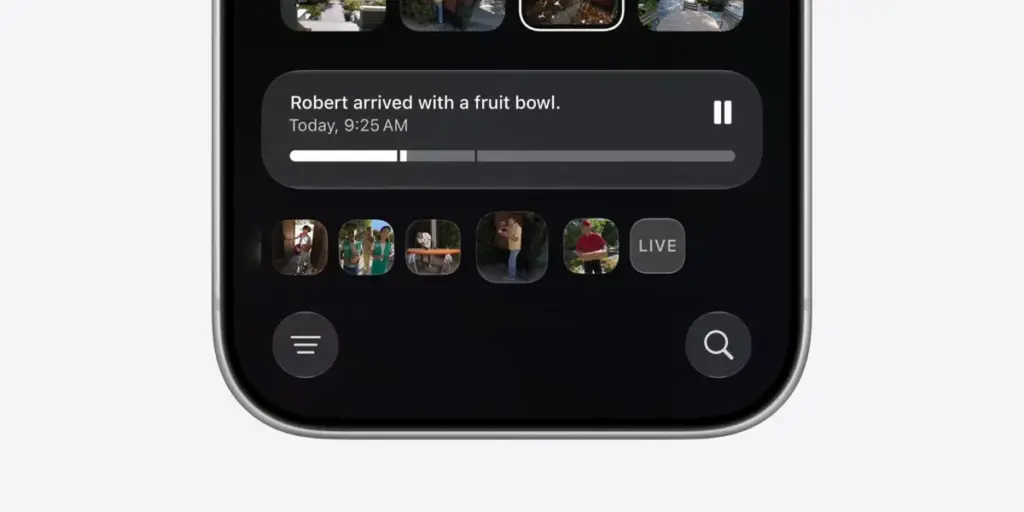
The introduction of 4K support and Apple Intelligence marks a new era for HomeKit Secure Video, bringing it up to parity with, and in some cases exceeding, the capabilities of dedicated security platforms. The ability to search through weeks of footage with a simple text query or receive a single summarized notification for a complex event represents a genuine utility that many will find worth the price of admission.
Nevertheless, the 2TB iCloud+ mandate serves as a reminder of the evolving landscape of consumer technology. As hardware becomes more capable and AI becomes more integrated, the "ownership" of a product is increasingly tied to the ongoing rental of the services that power it. For Apple users, the future of the smart home is undeniably more intelligent, but it will come at a premium that reflects the growing complexity of the cloud infrastructure required to sustain it.
As iOS 27 and macOS 27 move toward a public release this fall, the conversation will likely shift from the technical prowess of Apple Intelligence to the broader implications of its cost. For now, users invested in the Apple Home ecosystem will need to weigh the benefits of a more streamlined, AI-enhanced security experience against the monthly cost of a top-tier iCloud+ subscription.
 Smart Home & IoT Solutions
Apple Expands Smart Home Ecosystem with New Aqara Integration and Third-Party Accessory Refresh
Apple has officially updated its retail and online storefronts this week, introducing...
 Smart Home & IoT Solutions
Apple Home Ecosystem Evolves as iOS 26 Cycle Sets the Stage for Major Siri Overhaul
The smart home landscape is currently standing at a significant crossroads, positioned...
 Smart Home & IoT Solutions
Apple to Require 2TB iCloud+ Subscription for New AI-Powered Home Security Features
As Apple continues to integrate its sophisticated "Apple Intelligence" across its ecosystem,...