The Cost of Innovation: The 2TB Requirement
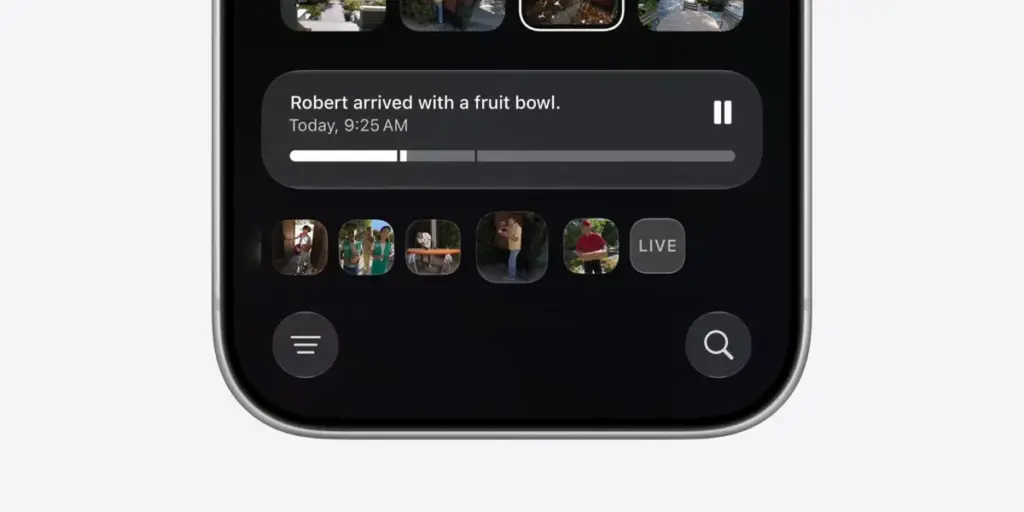
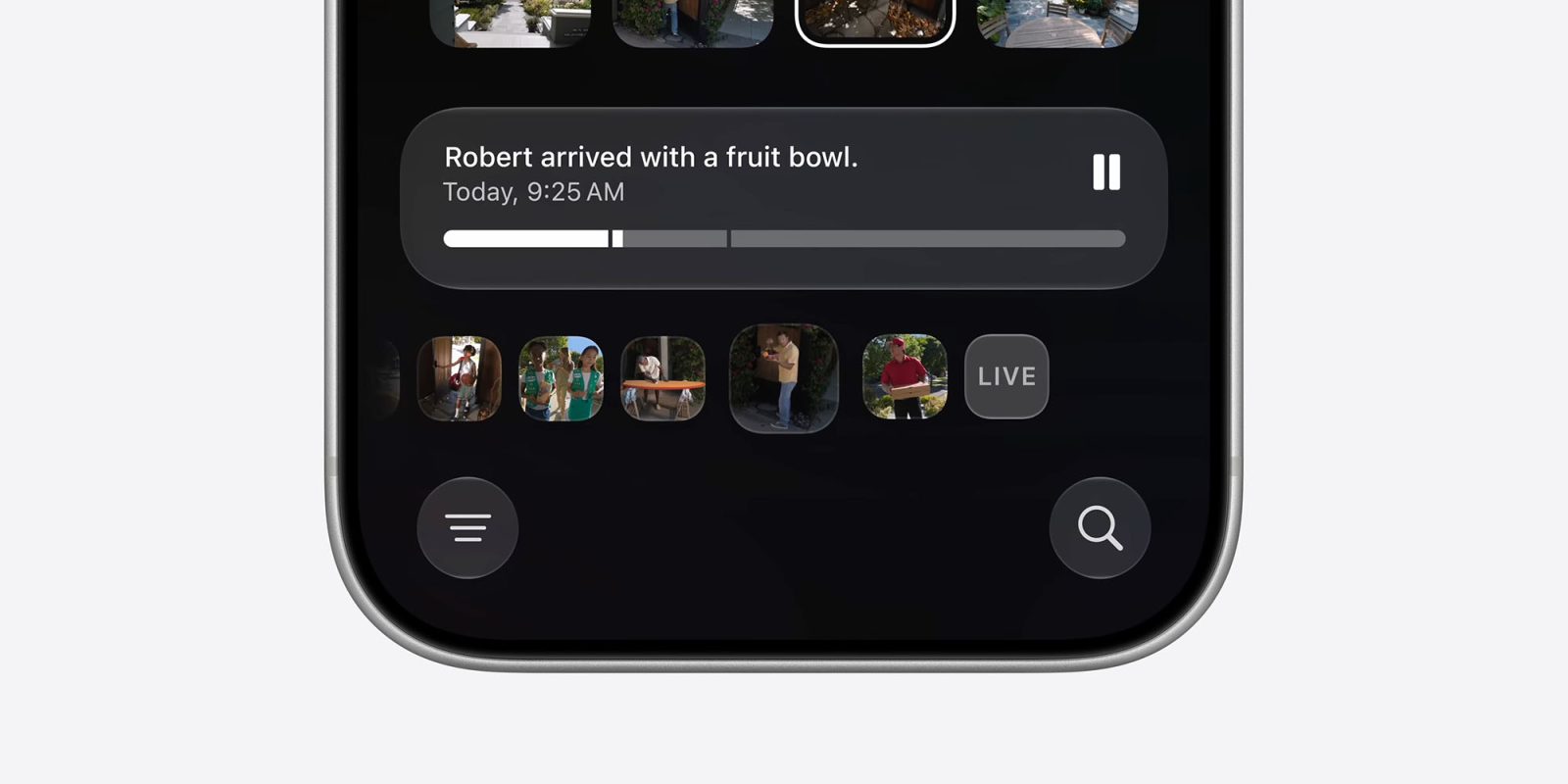
While these features represent the most significant leap forward for the Home app since its inception, they will not be available to all users. According to the developer release notes spotted in macOS 27 beta 3, the activation of Apple Intelligence features within the Home app is contingent upon a 2TB iCloud+ subscription.
In the United States, this subscription tier is priced at $9.99 per month. While many power users already subscribe to this tier for device backups and photo storage, the requirement creates a steep entry price for those who may only have one or two cameras and previously relied on lower-cost plans.
Currently, Apple’s iCloud+ tiers offer varying levels of support for HomeKit Secure Video. The 50GB plan ($0.99/mo) supports a single camera, while the 200GB plan ($2.99/mo) supports up to five cameras. To unlock support for an unlimited number of cameras, users are currently required to move to the 2TB plan. By making the new AI features exclusive to the 2TB tier, Apple is effectively decoupling the service requirements from the number of devices owned. Even a user with a single 4K camera who wants to use AI-generated summaries will be forced into the $9.99 monthly bracket.
This move has raised questions regarding the technical necessity of the requirement versus a strategic push to increase Services revenue. Some industry analysts point out that 4K video storage and the computational power required for Private Cloud Compute—Apple’s secure server-side AI processing—incur significant costs for the company. However, for the end user, the result is a mandatory upgrade to a storage tier they may not otherwise need.
A Disappointing Trend in the Smart Home Industry
The decision to gate AI features behind a premium subscription has met with a mixed reception among early adopters and tech commentators. On one hand, the move is not entirely unprecedented. The smart home industry has moved steadily toward a "software-as-a-service" (SaaS) model over the last decade. Competitors like Amazon’s Ring, Google’s Nest, and Arlo have long required monthly subscriptions to unlock basic features like cloud storage, person detection, and activity zones.
Apple, however, has traditionally positioned HomeKit Secure Video as a more privacy-centric and consumer-friendly alternative. One of the major selling points of the HomeKit ecosystem has been the ability to bypass the individual subscriptions required by hardware manufacturers. By purchasing a HomeKit-compatible camera, users could consolidate their security management into their existing iCloud plan, often saving money while ensuring their data remained encrypted and out of the hands of third-party corporations.
 Smart Home & IoT Solutions
Abode Expands Apple Home Ecosystem with New Long-Range Garage Tilt and Ruggedized Outdoor Sensors
The landscape of DIY smart home security is undergoing a significant shift...
 Smart Home & IoT Solutions
Apple Partners with LG to Expand Smart Home Ecosystem with New Line of Connected Devices
In a significant move to bolster its presence in the domestic technology...
 Smart Home & IoT Solutions
SwitchBot Unveils Lock Vision Series Featuring Matter Integration and Advanced 3D Biometric Recognition
In a significant expansion of its smart home security portfolio, SwitchBot has...