
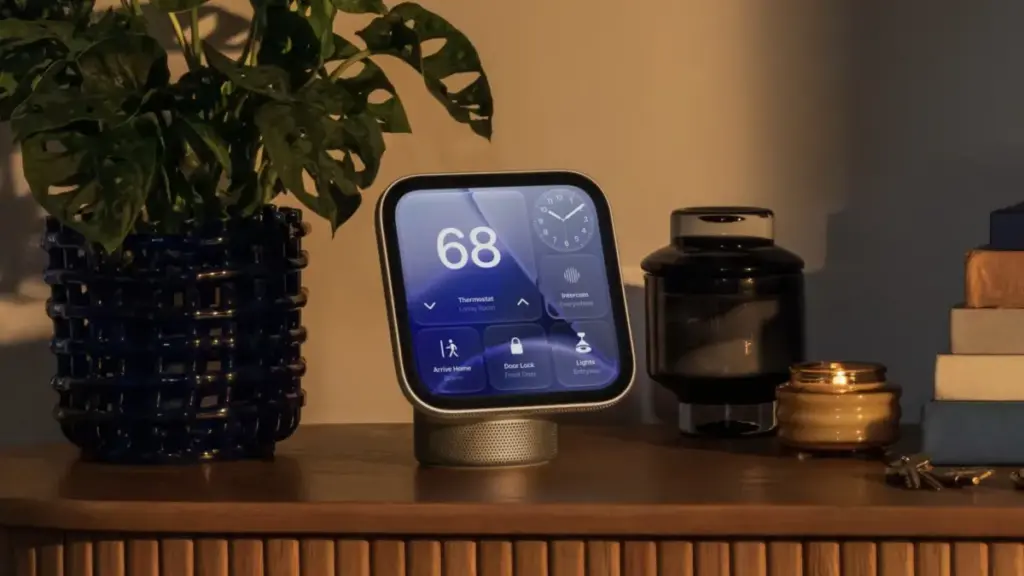
Evidence discovered within Apple’s latest internal software builds suggests that the company’s upcoming smart home hub, tentatively named HomeView, will be equipped with robust security camera capabilities. The discovery, made by noted code sleuther pdfu, indicates that the device is being designed to serve a dual purpose: acting not only as a central command center for the home but also as a fully integrated HomeKit security camera.
The findings, sourced from HomeView software version 27.2, provide a detailed look at how Apple intends to leverage the device’s built-in camera. Unlike traditional smart displays that primarily use cameras for video conferencing, Apple appears to be positioning HomeView as a cornerstone of its HomeKit Secure Video ecosystem. The leaked code outlines several operational modes, specific activation triggers, and a suite of privacy-focused safeguards that distinguish the device from its competitors in the smart home market.
Comprehensive Streaming and Recording Functionality
According to the discovered software strings, HomeView will offer users granular control over how the integrated camera behaves based on the household’s status. The settings within version 27.2 show that the device can be configured to either stream live video or record footage to iCloud, with the ability to toggle these features independently.
The logic behind these features appears to be deeply integrated with Apple’s existing geofencing and presence-detection technology. Users will be able to set the camera to activate or deactivate based on three primary states: when the user is home, when they are away, or when the household is asleep. This automation ensures that the device provides security when it is most needed—such as when the house is empty or during the night—while potentially remaining idle during active hours to preserve a sense of privacy.
In a typical HomeKit Secure Video setup, recording is triggered by motion or specific events, such as the detection of people, pets, or vehicles. The HomeView code suggests that these same intelligent detection capabilities will be baked into the device, allowing it to act as a stationary sentry. By integrating this directly into a smart display that is likely to be placed in high-traffic areas like kitchens or living rooms, Apple is providing a built-in security solution that eliminates the need for a separate standalone camera in those spaces.
A New Standard for Smart Home Privacy
Apple has long marketed itself as a leader in digital privacy, and the HomeView discovery suggests this philosophy is being applied rigorously to its smart home hardware. The code reveals a series of "strong privacy protections" designed to ensure that household members are always aware when the camera is active.
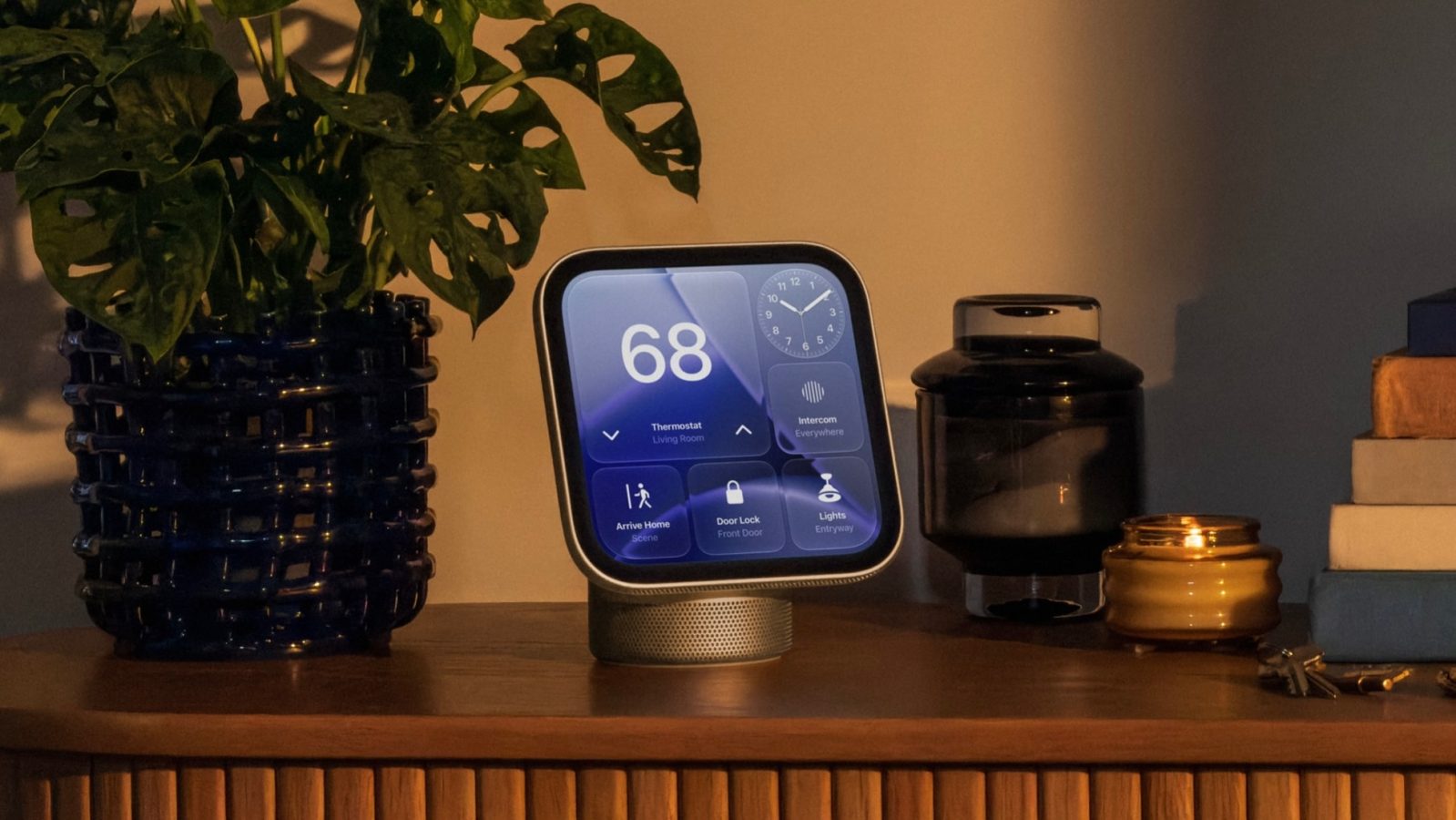
One of the most significant features identified is a mandatory indicator light. This physical or software-based visual cue will appear on the HomeView display whenever the security camera is in use. To complement the visual warning, Apple has also implemented an audible notification. A specific sound will play to signal the commencement of either a live stream or a recording session. Furthermore, all registered members of the "Home" in the Apple Home app will receive a push notification on their personal devices whenever the camera begins operating.
These measures are designed to prevent "silent" surveillance, a common concern with connected devices. By ensuring that every person in the home is alerted to the camera’s status, Apple is attempting to mitigate the discomfort often associated with having an "always-on" lens in private living spaces.
Preventing Misuse and Domestic Surveillance
Perhaps the most noteworthy discovery within the software is a restriction on remote activation. The code indicates that if any registered household members are detected within the home, the security camera feature cannot be activated remotely via an iPhone or iPad. Instead, in these scenarios, the camera can only be enabled or disabled through the physical HomeView device itself.
This design choice appears to be a proactive measure to prevent the device from being used as a tool for domestic surveillance or abuse. In many smart home ecosystems, a primary account holder can often view camera feeds at any time without the knowledge of other residents. By locking out remote access when someone is physically present, Apple is creating a technical barrier against "stalkerware" style behavior within the home. This ensures that the device serves the safety of the household as a whole, rather than becoming a tool for one individual to monitor others covertly.
This level of consideration reflects a broader trend in Apple’s software engineering, where the company anticipates potential societal misuses of its technology. Similar to the anti-stalking measures implemented for AirTags, the HomeView privacy protocols suggest that Apple is prioritizing the safety and autonomy of the individual over the convenience of unrestricted remote access.
Market Context and the Value of Integration
The revelation that HomeView will double as a HomeKit security camera significantly shifts the value proposition of the device. For several years, Apple has lagged behind competitors like Amazon and Google in the smart display category. The Amazon Echo Show and the Google Nest Hub have long offered camera integration for both security and communication. However, Apple’s entry into this space appears to be focused on a more secure, privacy-first implementation of these features.
For consumers already invested in the Apple ecosystem, the inclusion of a security camera in a hub device could be a deciding factor. Many users currently purchase third-party HomeKit-compatible cameras to monitor their living spaces. If HomeView can provide high-quality video recording and streaming natively, while adhering to the strict end-to-end encryption standards of HomeKit Secure Video, it could consolidate two devices into one.

The integration also hints at the broader utility of the HomeView hardware. If the device is intended to be a "shelf-mounted" or "wall-mounted" unit, its positioning would be ideal for capturing wide-angle views of a room. This placement, combined with Apple’s silicon—likely an A-series or M-series chip—would allow for advanced on-device processing of video feeds, ensuring that facial recognition and object detection happen locally rather than in the cloud.
The Impact on the Smart Home Ecosystem
The discovery of these features in version 27.2 suggests that Apple is in the advanced stages of defining the software experience for its new home hardware. While the "HomeView" name has been used in various reports and leaks, the specific code references provide the most concrete evidence to date regarding the device’s actual capabilities.
The smart home industry has recently moved toward the "Matter" standard, which aims to increase interoperability between different brands. While HomeView will likely support Matter, its security camera features will almost certainly remain exclusive to the HomeKit/Apple Home environment to maintain the end-to-end encryption that Apple promises. This "walled garden" approach to security is often seen as a benefit by users who are wary of the data collection practices of other major tech firms.
By combining a smart hub, a media controller, and a security camera into a single aesthetic package, Apple is looking to simplify the increasingly complex smart home landscape. The emphasis on privacy—particularly the sound and light indicators and the remote-access restrictions—serves as a clear differentiator that Apple hopes will justify what is expected to be a premium price point.
Assessing the Strategic Move
The addition of security camera functionality to HomeView is a logical step in Apple’s hardware strategy. As the company seeks to expand its presence in the "living room" and "kitchen" categories, providing multi-functional devices is essential. A smart display that only shows photos or controls lights may be seen as a luxury, but a device that also serves as a critical component of a home security system becomes a more practical investment for many families.
The privacy protections found by pdfu are particularly sophisticated. In an era where consumer trust in smart home devices is often shaken by reports of unauthorized access or data leaks, Apple’s decision to include audible and visual alerts is a significant move. It shifts the device from being a passive observer to an active, transparent participant in the home environment.
As more details emerge from software builds and supply chain leaks, the picture of Apple’s smart home ambitions becomes clearer. HomeView appears to be more than just a screen; it is a privacy-focused security node designed to integrate seamlessly into the daily lives of users while offering peace of mind through transparent operation and robust anti-abuse protocols. Whether these features will be enough to sway consumers away from established competitors remains to be seen, but the focus on high-end privacy and integrated security certainly aligns with the core strengths of the Apple brand.
 Smart Home & IoT Solutions
Why the Apple Home Collection Could Finally Bring the Smart Home to the Mainstream
In the fast-paced world of consumer electronics, it is often easy for...
 Smart Home & IoT Solutions
Controller for HomeKit Introduces "Just Say It" AI Feature to Streamline Complex Smart Home Automations
The landscape of smart home management is undergoing a significant transformation as...
 Smart Home & IoT Solutions
Apple Signals Major Smart Home Push with AI-Driven Home App Upgrades and 4K Video Support in iOS 27
As Apple prepares for its highly anticipated "Welcome Home" special event scheduled...







