
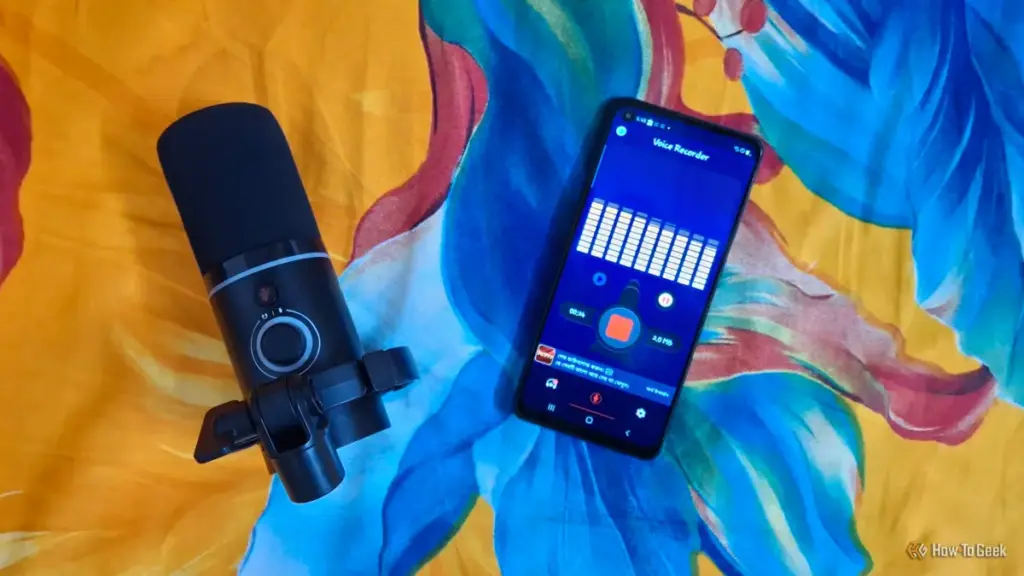
In the modern era of digital content creation, the barrier to entry has traditionally been defined by the cost of high-end hardware. Aspiring podcasters, streamers, and vocalists often find themselves staring at the price tags of professional XLR microphones and audio interfaces, believing these tools are the absolute prerequisites for high-quality sound. However, a closer examination of modern telecommunications technology suggests that many creators already possess a powerful recording tool: the smartphone currently sitting in their pocket or relegated to a desk drawer.
As smartphone manufacturers have spent the last decade perfecting the hardware required for crystal-clear voice calls, voice assistants, and cinematic video recording, the internal microphones of these devices have undergone a quiet revolution. For many applications, a well-configured smartphone can now rival the performance of entry-level and mid-range USB microphones, provided the user understands how to leverage the hardware and manage the recording environment.
The Technical Shift: From ECM to MEMS Technology
The perceived gap between "phone audio" and "studio audio" is largely a vestige of an earlier era of mobile technology. Early cellular devices utilized Electret Condenser Microphones (ECMs), which, while functional for basic communication, suffered from several inherent limitations. These older components were characterized by a low Acoustic Overload Point (AOP), making them prone to distortion at higher volumes. They were also highly susceptible to analog interference and generally lacked the sensitivity required for professional-grade audio capture.
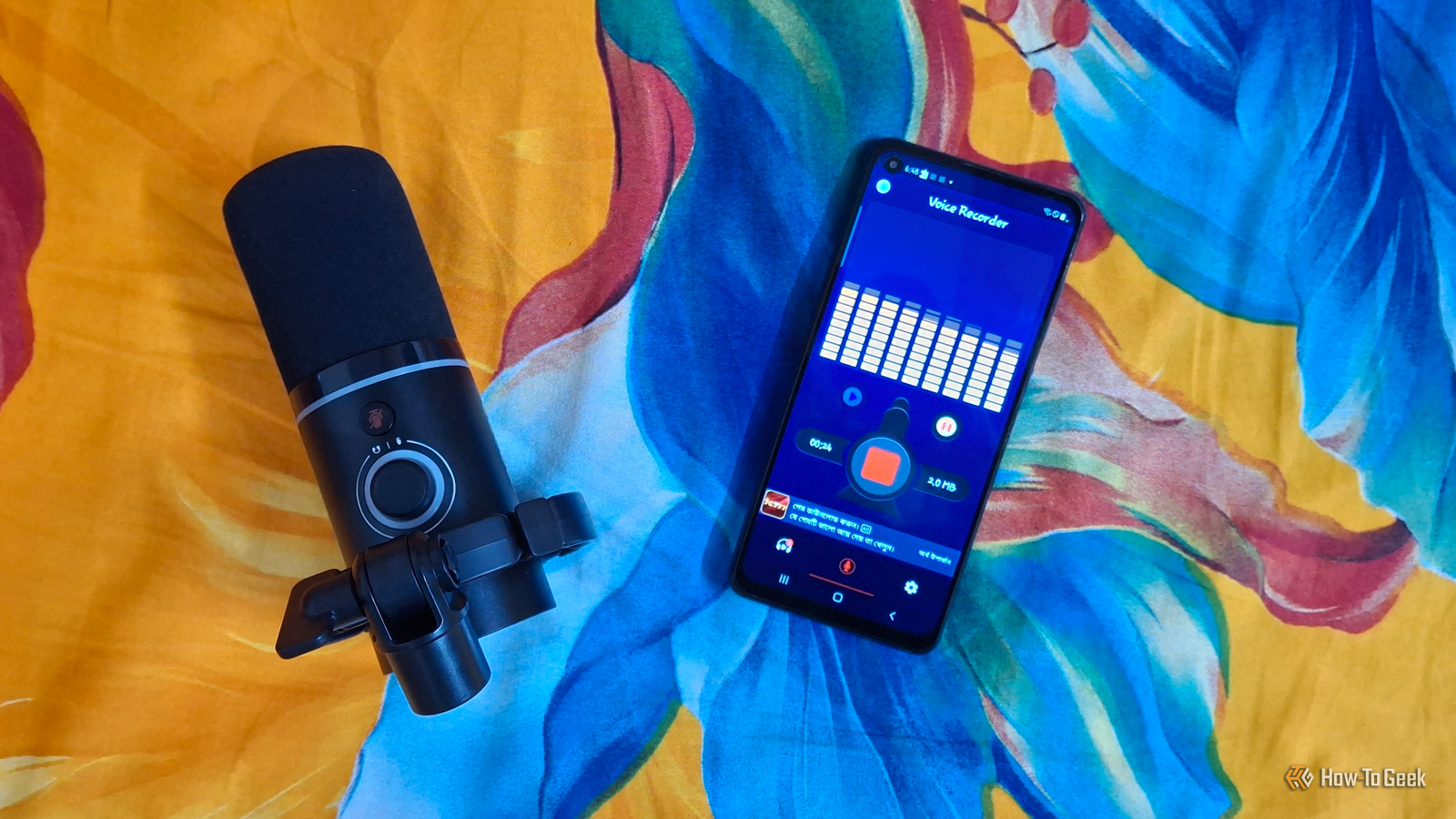
The landscape changed significantly with the industry-wide adoption of Micro-Electro-Mechanical Systems (MEMS) microphones. These silicon-based components are remarkably small yet offer high performance and durability. Modern smartphones, particularly flagship and mid-range models, do not rely on a single microphone. Instead, they utilize arrays of two to four MEMS microphones strategically placed around the chassis. This multi-mic setup allows the device to engage in sophisticated spatial processing, identifying the primary sound source while suppressing ambient noise.
Furthermore, the integration of real-time Artificial Intelligence (AI) and advanced Digital Signal Processing (DSP) has elevated mobile audio. Features like "audio zoom," which focuses the microphone’s sensitivity on a specific subject in a video frame, and background noise isolation algorithms work continuously to refine the raw input. When these hardware and software advancements are combined, the result is a device capable of reaching near-production-level sound quality, often surpassing the capabilities of cheap, unbranded USB microphones that lack similar processing power.
Bridging the Gap: Using a Smartphone as a Desktop Peripheral
While recording directly onto a smartphone is a viable path for mobile journalists and vloggers, many creators require their audio to be integrated into a desktop environment for streaming or complex editing. The software ecosystem has evolved to meet this need, offering several robust solutions that transform a mobile device into a wireless or wired PC microphone.
Applications such as WO Mic, Micstream, AndroidMic, and AudioRelay have become staples for creators working on a budget. These tools function by installing a client on the smartphone and a corresponding driver on the computer, allowing the PC to recognize the phone as a standard audio input device. The versatility of these applications is notable, as they typically support multiple connection protocols, including Wi-Fi, Bluetooth, and USB.
 Tech Tutorials & How-To Guides
Beyond the Brand: Why Even Premium Power Drills Fail Due to Common Operational Habits
In the modern landscape of home improvement and professional construction, the cordless...
 Tech Tutorials & How-To Guides
The Ghost in the Machine: Investigating the Root Causes of Unexpected Windows Wake Events
For many Windows users, the experience is unnervingly familiar: a desktop or...
 Tech Tutorials & How-To Guides
A New Titan in Entertainment: Navigating the Skydance Merger and the Future of Streaming
The landscape of global media has undergone a seismic shift as the...







