
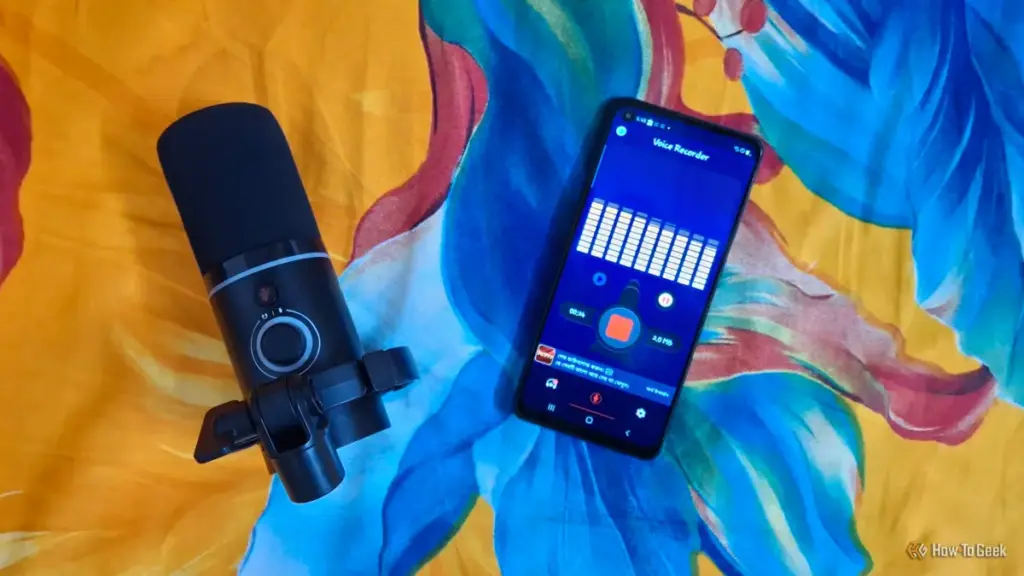

For those prioritizing convenience, a Wi-Fi connection offers the freedom of a wireless setup. However, in professional contexts where timing is critical—such as live gaming or real-time commentary—latency can become a significant hurdle. In these instances, connecting the phone via a USB cable is the preferred method. This "tethered" approach significantly reduces input lag and provides a more stable data transfer, ensuring that the audio remains synchronized with the visual content.
The Paramount Importance of the Recording Environment
Despite the impressive advancements in microphone hardware, audio engineers frequently remind creators that the room in which they record is often more influential than the microphone itself. A common pitfall for beginners is the belief that an expensive microphone will automatically produce "expensive" sound. In reality, a high-sensitivity studio microphone in a poorly treated room will only capture the flaws of that environment with greater clarity.
The primary enemy of professional audio is reflection. Hard surfaces—such as bare walls, hardwood floors, and large windows—cause sound waves to bounce, creating an echo or "reverberation" effect that can make even the most expensive gear sound amateurish. This is where the smartphone-as-mic strategy becomes particularly effective when paired with "guerrilla" acoustic treatment.
Professional results can often be achieved through surprisingly low-tech methods. Mobile content creators have long utilized closets filled with clothes as impromptu vocal booths. The dense, irregular surfaces of hanging garments act as highly effective sound absorbers, killing reflections and creating a "dead" acoustic space that mimics a professional studio. Similarly, using heavy blankets or recording in a room with thick carpeting can drastically improve the output of a smartphone mic. By removing the environmental interference, the true quality of the MEMS hardware is allowed to shine, often producing a warmer, more intimate sound than a dedicated USB mic used in an open, reflective office space.
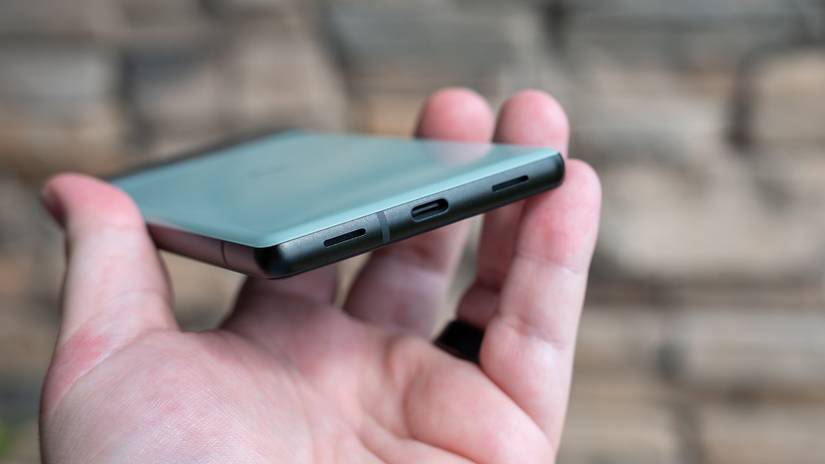
Weighing the Advantages of Dedicated Hardware
While the smartphone is an incredibly capable tool, it is not a complete replacement for dedicated audio equipment in every scenario. As creators scale their operations, certain logistical challenges of using a phone as a primary microphone begin to emerge.
Latency remains the most persistent issue for wireless configurations. While negligible for a pre-recorded voiceover, a few milliseconds of delay can be disruptive during a high-stakes livestream or a competitive gaming session. Additionally, the physical demands of long-form recording can take a toll on a smartphone’s hardware. Continuous audio processing and data transmission can lead to significant battery drain and, in some cases, thermal throttling if the device is simultaneously charging.
There is also the "interruption factor" to consider. A smartphone is, first and foremost, a communication device. An incoming call, a series of push notifications, or the need to check a reference document can abruptly halt a recording session. It is for these reasons that many creators eventually transition to dedicated USB microphones, such as the NZXT Capsule Elite. These devices are engineered for a singular purpose, offering high-resolution 24-bit audio and 192kHz sample rates without the multitasking limitations of a mobile device.
 Tech Tutorials & How-To Guides
The Hidden Expiry Date: Why Your Smart Home Hardware May Fail Sooner Than You Think
In the early days of the smart home revolution, early adopters were...
 Tech Tutorials & How-To Guides
Bridging the Security Gap: Replicating the YubiKey Experience with a $6 ESP32 Microcontroller
In an era where digital identity is under constant siege from sophisticated...
 Tech Tutorials & How-To Guides
Unfiltered Cinema: Why R-Rated Hits Are Finding a Second Life on Major Streaming Platforms
In the modern landscape of digital entertainment, the motion picture rating system...







