
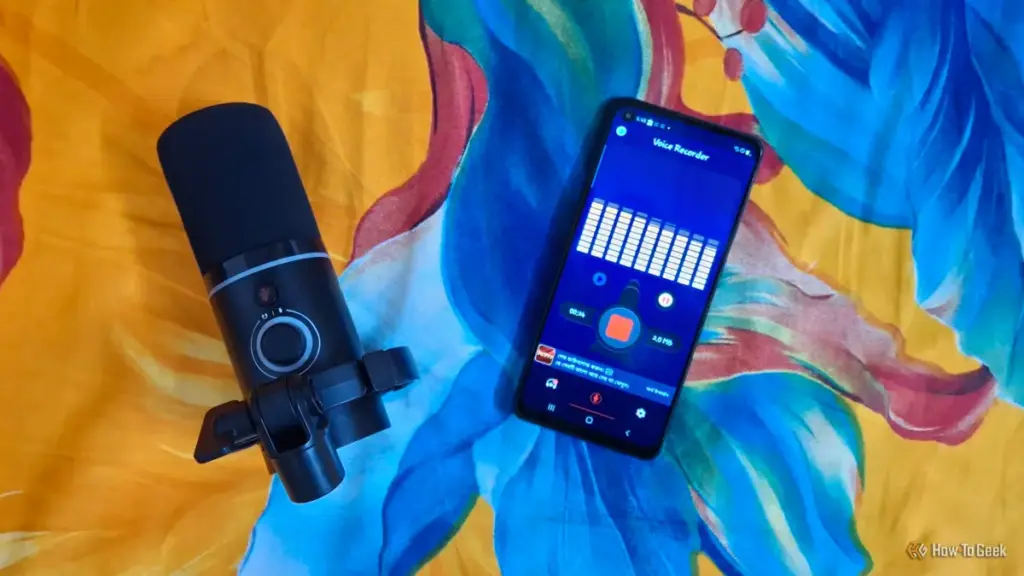
In the modern era of digital content creation, the barrier to entry has traditionally been defined by the cost of high-end hardware. Aspiring podcasters, streamers, and vocalists often find themselves staring at the price tags of professional XLR microphones and audio interfaces, believing these tools are the absolute prerequisites for high-quality sound. However, a closer examination of modern telecommunications technology suggests that many creators already possess a powerful recording tool: the smartphone currently sitting in their pocket or relegated to a desk drawer.
As smartphone manufacturers have spent the last decade perfecting the hardware required for crystal-clear voice calls, voice assistants, and cinematic video recording, the internal microphones of these devices have undergone a quiet revolution. For many applications, a well-configured smartphone can now rival the performance of entry-level and mid-range USB microphones, provided the user understands how to leverage the hardware and manage the recording environment.
The Technical Shift: From ECM to MEMS Technology
The perceived gap between "phone audio" and "studio audio" is largely a vestige of an earlier era of mobile technology. Early cellular devices utilized Electret Condenser Microphones (ECMs), which, while functional for basic communication, suffered from several inherent limitations. These older components were characterized by a low Acoustic Overload Point (AOP), making them prone to distortion at higher volumes. They were also highly susceptible to analog interference and generally lacked the sensitivity required for professional-grade audio capture.
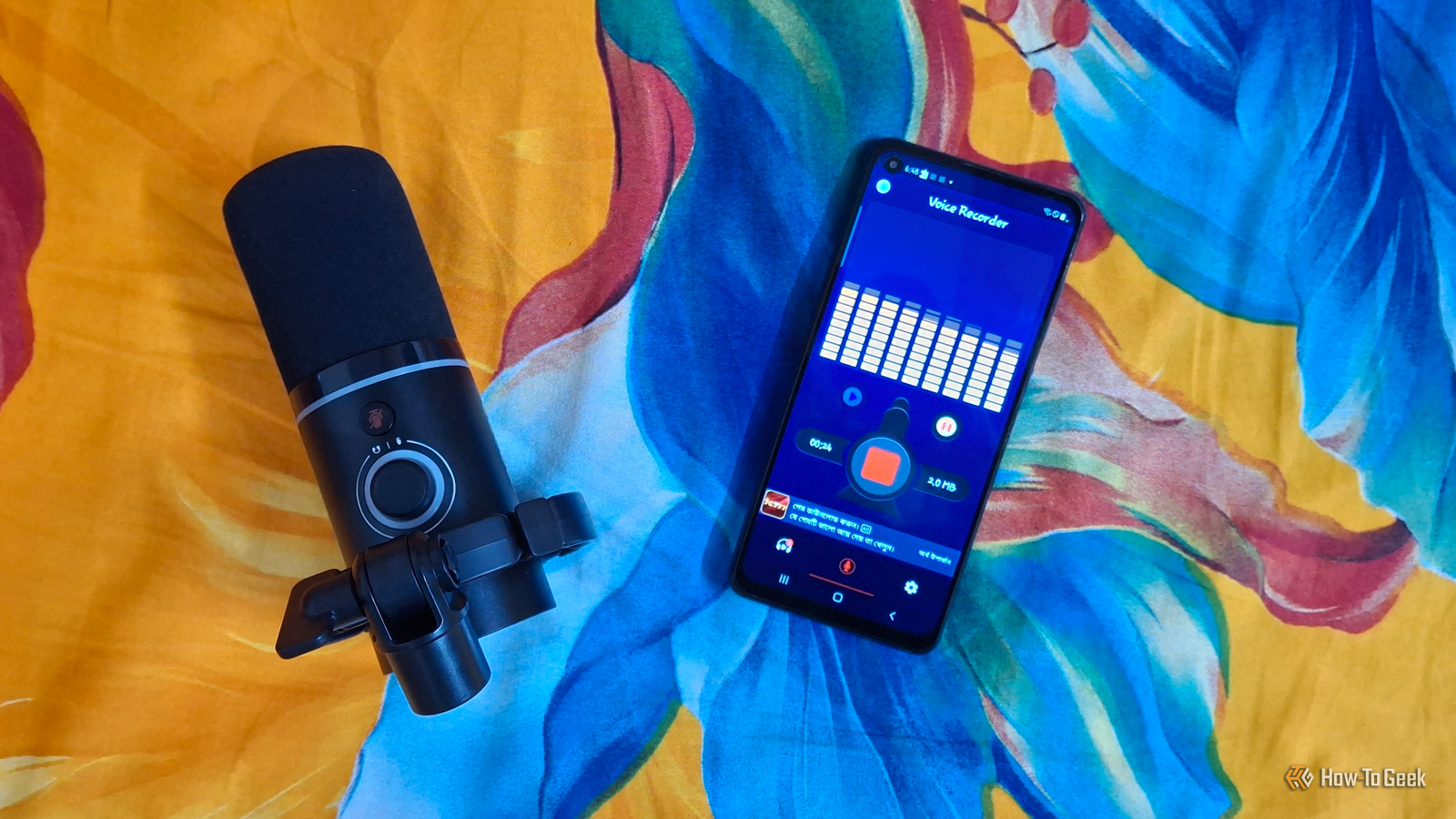
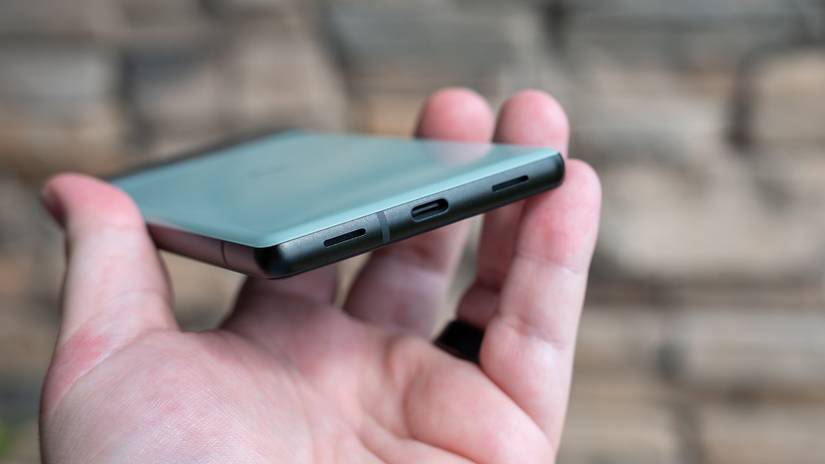
The landscape changed significantly with the industry-wide adoption of Micro-Electro-Mechanical Systems (MEMS) microphones. These silicon-based components are remarkably small yet offer high performance and durability. Modern smartphones, particularly flagship and mid-range models, do not rely on a single microphone. Instead, they utilize arrays of two to four MEMS microphones strategically placed around the chassis. This multi-mic setup allows the device to engage in sophisticated spatial processing, identifying the primary sound source while suppressing ambient noise.
Furthermore, the integration of real-time Artificial Intelligence (AI) and advanced Digital Signal Processing (DSP) has elevated mobile audio. Features like "audio zoom," which focuses the microphone’s sensitivity on a specific subject in a video frame, and background noise isolation algorithms work continuously to refine the raw input. When these hardware and software advancements are combined, the result is a device capable of reaching near-production-level sound quality, often surpassing the capabilities of cheap, unbranded USB microphones that lack similar processing power.
Bridging the Gap: Using a Smartphone as a Desktop Peripheral
While recording directly onto a smartphone is a viable path for mobile journalists and vloggers, many creators require their audio to be integrated into a desktop environment for streaming or complex editing. The software ecosystem has evolved to meet this need, offering several robust solutions that transform a mobile device into a wireless or wired PC microphone.
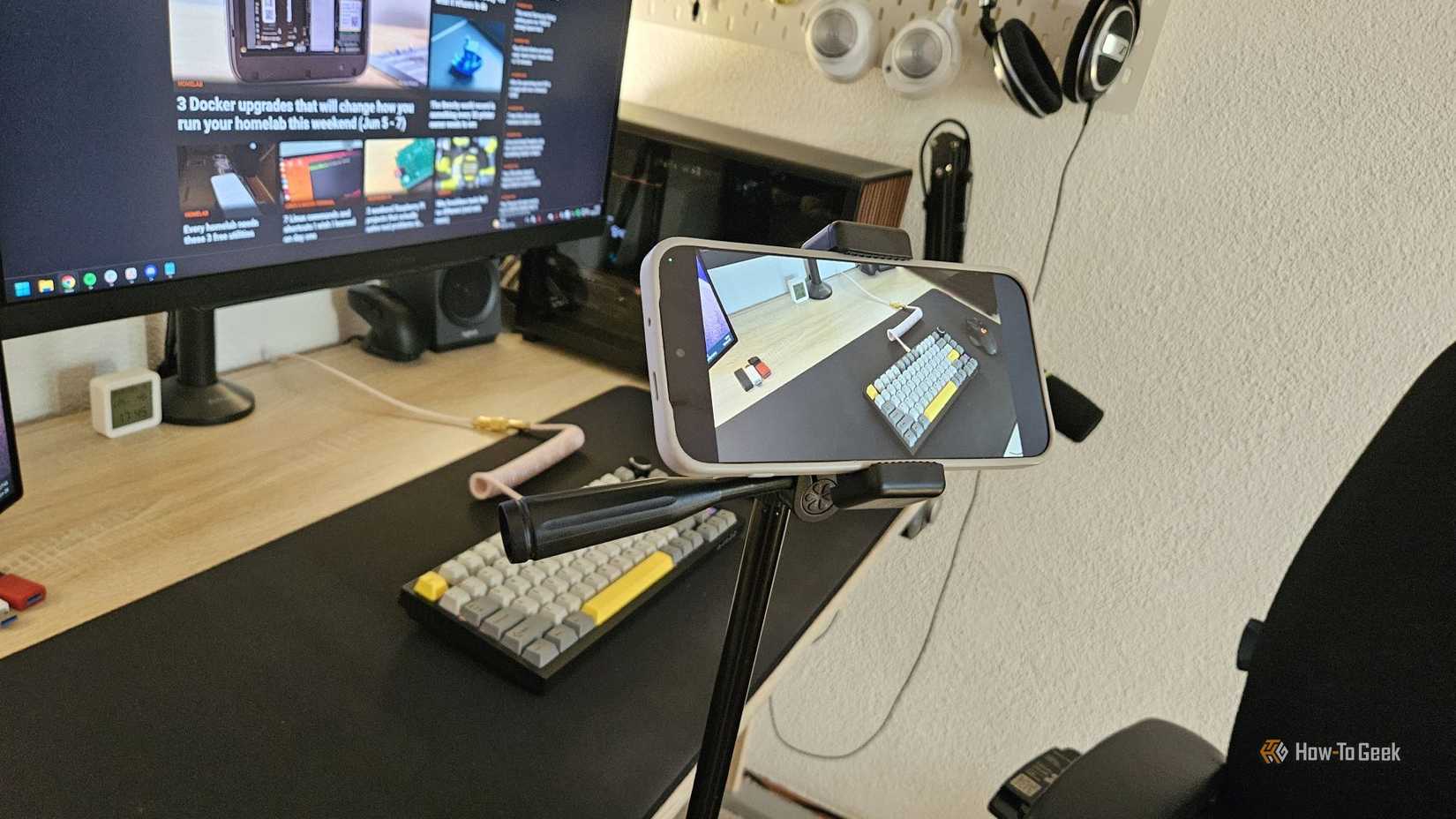
Applications such as WO Mic, Micstream, AndroidMic, and AudioRelay have become staples for creators working on a budget. These tools function by installing a client on the smartphone and a corresponding driver on the computer, allowing the PC to recognize the phone as a standard audio input device. The versatility of these applications is notable, as they typically support multiple connection protocols, including Wi-Fi, Bluetooth, and USB.

For those prioritizing convenience, a Wi-Fi connection offers the freedom of a wireless setup. However, in professional contexts where timing is critical—such as live gaming or real-time commentary—latency can become a significant hurdle. In these instances, connecting the phone via a USB cable is the preferred method. This "tethered" approach significantly reduces input lag and provides a more stable data transfer, ensuring that the audio remains synchronized with the visual content.
The Paramount Importance of the Recording Environment
Despite the impressive advancements in microphone hardware, audio engineers frequently remind creators that the room in which they record is often more influential than the microphone itself. A common pitfall for beginners is the belief that an expensive microphone will automatically produce "expensive" sound. In reality, a high-sensitivity studio microphone in a poorly treated room will only capture the flaws of that environment with greater clarity.
The primary enemy of professional audio is reflection. Hard surfaces—such as bare walls, hardwood floors, and large windows—cause sound waves to bounce, creating an echo or "reverberation" effect that can make even the most expensive gear sound amateurish. This is where the smartphone-as-mic strategy becomes particularly effective when paired with "guerrilla" acoustic treatment.
Professional results can often be achieved through surprisingly low-tech methods. Mobile content creators have long utilized closets filled with clothes as impromptu vocal booths. The dense, irregular surfaces of hanging garments act as highly effective sound absorbers, killing reflections and creating a "dead" acoustic space that mimics a professional studio. Similarly, using heavy blankets or recording in a room with thick carpeting can drastically improve the output of a smartphone mic. By removing the environmental interference, the true quality of the MEMS hardware is allowed to shine, often producing a warmer, more intimate sound than a dedicated USB mic used in an open, reflective office space.
Weighing the Advantages of Dedicated Hardware
While the smartphone is an incredibly capable tool, it is not a complete replacement for dedicated audio equipment in every scenario. As creators scale their operations, certain logistical challenges of using a phone as a primary microphone begin to emerge.
Latency remains the most persistent issue for wireless configurations. While negligible for a pre-recorded voiceover, a few milliseconds of delay can be disruptive during a high-stakes livestream or a competitive gaming session. Additionally, the physical demands of long-form recording can take a toll on a smartphone’s hardware. Continuous audio processing and data transmission can lead to significant battery drain and, in some cases, thermal throttling if the device is simultaneously charging.
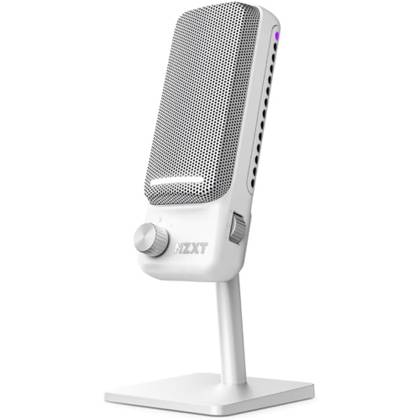
There is also the "interruption factor" to consider. A smartphone is, first and foremost, a communication device. An incoming call, a series of push notifications, or the need to check a reference document can abruptly halt a recording session. It is for these reasons that many creators eventually transition to dedicated USB microphones, such as the NZXT Capsule Elite. These devices are engineered for a singular purpose, offering high-resolution 24-bit audio and 192kHz sample rates without the multitasking limitations of a mobile device.
However, the transition to dedicated hardware should be viewed as an upgrade of convenience and specialized performance rather than a fundamental requirement for entry. For those with limited capital, the consensus among audio professionals is to prioritize room treatment and software mastery before investing in a premium microphone.
The Role of Post-Processing in Professional Audio
The final stage of the audio workflow is where the gap between amateur and professional content is truly closed. Even the most pristine recordings from top-tier studio mics undergo extensive post-processing to reach a broadcast standard. For the smartphone user, learning basic editing techniques is the "secret sauce" that validates the hardware.
Software tools like Audacity offer powerful, free solutions for refining mobile audio. Techniques such as noise reduction can scrub out the subtle hiss of electronic interference or the distant hum of an air conditioner. Adjusting input gain and applying basic equalization (EQ) can help balance the frequencies of a voice, adding the "weight" or "crispness" that listeners associate with professional broadcasts.
Many recording apps also allow users to tweak settings before the "Record" button is even pressed. By experimenting with different gain levels and built-in filters, creators can tailor the smartphone’s output to their specific vocal characteristics. This proactive approach to audio management ensures that the raw file is as clean as possible, making the final edit much more effective.
Redefining the Barrier to Entry
The realization that a smartphone can serve as a professional-grade microphone shifts the narrative for modern creators. It suggests that the primary obstacles to producing high-quality content are no longer financial, but rather educational. Success in the digital space depends less on the equipment one owns and more on the ability to manipulate the environment and the software at one’s disposal.
While dedicated microphones will always have a place in the professional studio, the modern smartphone has proven itself to be a formidable alternative for those starting their journey. By focusing on acoustic treatment, utilizing the right bridging software, and applying a disciplined post-processing workflow, anyone with a mobile device can produce audio that meets the standards of the modern digital landscape. The "next best" audio setup may not be found in a retail store, but rather in a desk drawer or a pocket, waiting to be unlocked.
 Tech Tutorials & How-To Guides
The Raspberry Pi Returns to Its Maker Roots: Three Innovative Hardware Projects for the Modern Tinkerer
As the technology landscape continues to evolve in 2026, the role of...
 Tech Tutorials & How-To Guides
Paramount+ Thriller Spotlight: From Gritty Action Franchises to Luc Besson’s Reimagined Dracula
As the calendar turns deeper into October, the shift in atmosphere is...
 Tech Tutorials & How-To Guides
The Great Big-Box Battle: Evaluating the Power Tool Ecosystems of Ryobi, Craftsman, and Hyper Tough
For the modern homeowner or the burgeoning DIY enthusiast, the walk down...







