
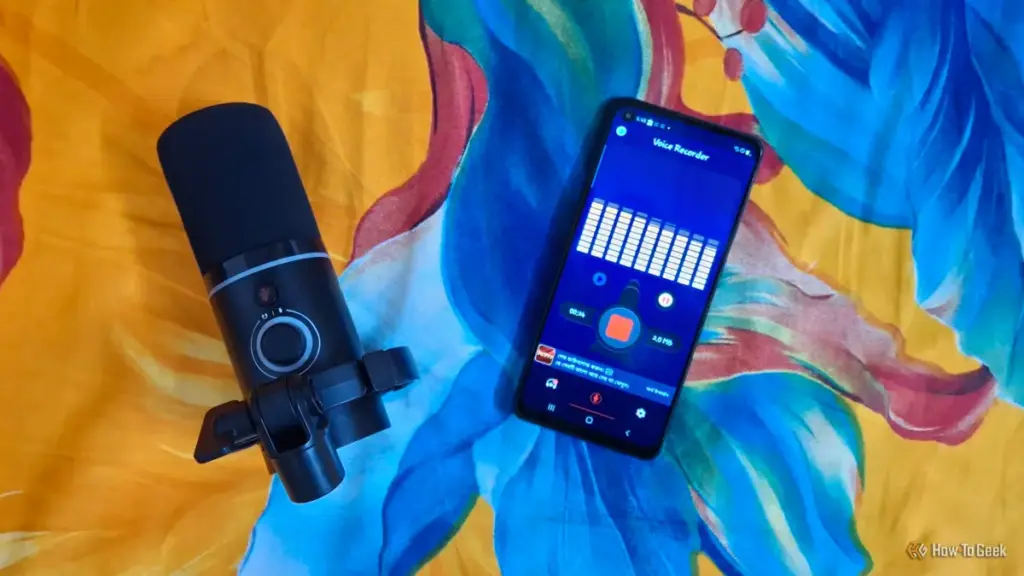
However, the transition to dedicated hardware should be viewed as an upgrade of convenience and specialized performance rather than a fundamental requirement for entry. For those with limited capital, the consensus among audio professionals is to prioritize room treatment and software mastery before investing in a premium microphone.
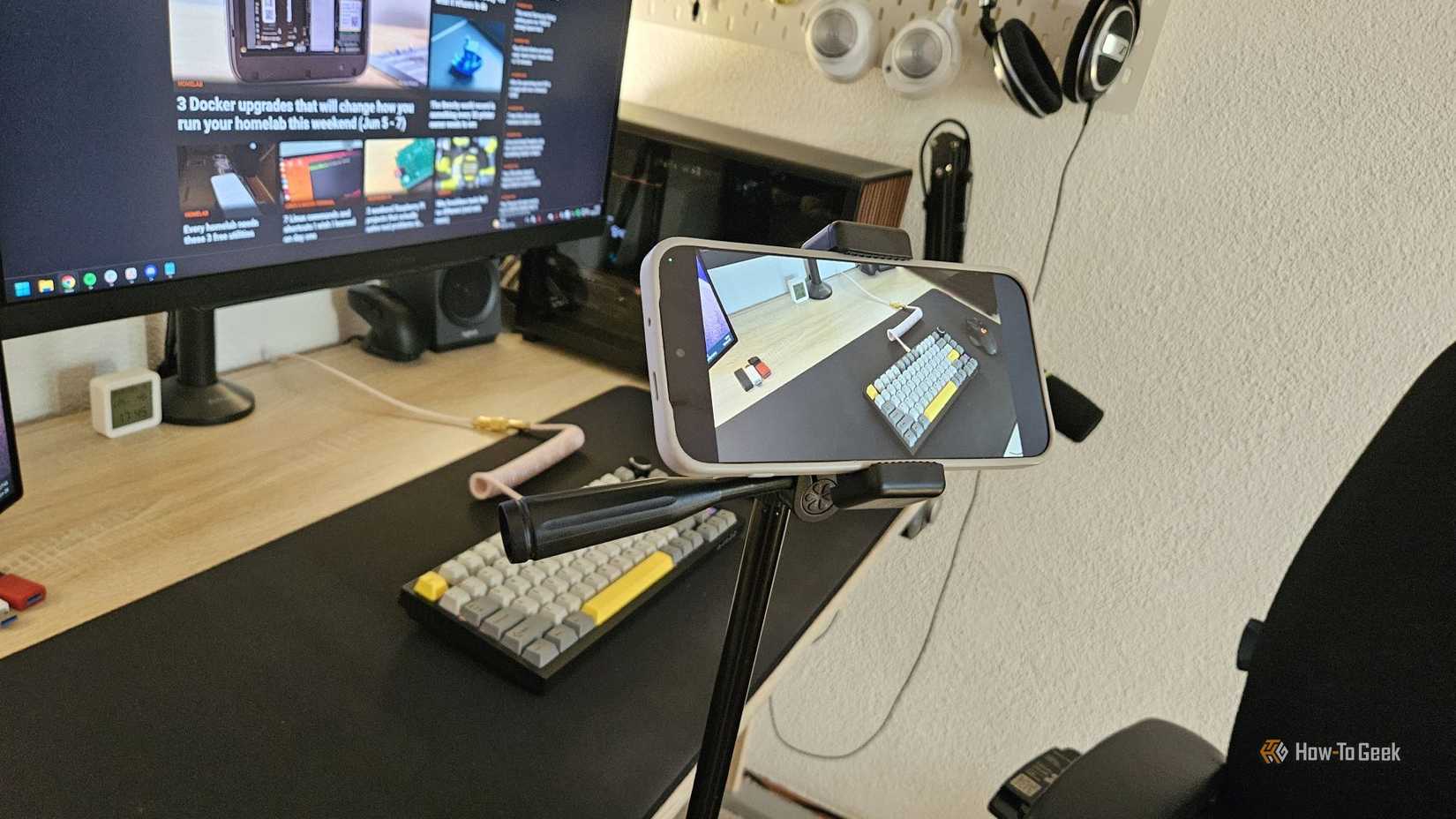
The Role of Post-Processing in Professional Audio
The final stage of the audio workflow is where the gap between amateur and professional content is truly closed. Even the most pristine recordings from top-tier studio mics undergo extensive post-processing to reach a broadcast standard. For the smartphone user, learning basic editing techniques is the "secret sauce" that validates the hardware.
Software tools like Audacity offer powerful, free solutions for refining mobile audio. Techniques such as noise reduction can scrub out the subtle hiss of electronic interference or the distant hum of an air conditioner. Adjusting input gain and applying basic equalization (EQ) can help balance the frequencies of a voice, adding the "weight" or "crispness" that listeners associate with professional broadcasts.
Many recording apps also allow users to tweak settings before the "Record" button is even pressed. By experimenting with different gain levels and built-in filters, creators can tailor the smartphone’s output to their specific vocal characteristics. This proactive approach to audio management ensures that the raw file is as clean as possible, making the final edit much more effective.
Redefining the Barrier to Entry
The realization that a smartphone can serve as a professional-grade microphone shifts the narrative for modern creators. It suggests that the primary obstacles to producing high-quality content are no longer financial, but rather educational. Success in the digital space depends less on the equipment one owns and more on the ability to manipulate the environment and the software at one’s disposal.
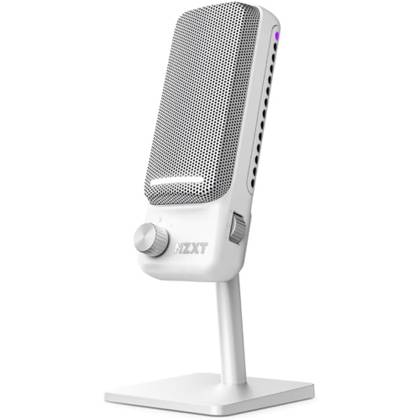
While dedicated microphones will always have a place in the professional studio, the modern smartphone has proven itself to be a formidable alternative for those starting their journey. By focusing on acoustic treatment, utilizing the right bridging software, and applying a disciplined post-processing workflow, anyone with a mobile device can produce audio that meets the standards of the modern digital landscape. The "next best" audio setup may not be found in a retail store, but rather in a desk drawer or a pocket, waiting to be unlocked.
 Tech Tutorials & How-To Guides
The Linux Mint Paradox: Why the ‘Windows Alternative’ May Not Be the Gateway It’s Marketed to Be
For years, the tech community has championed Linux Mint as the definitive...
 Tech Tutorials & How-To Guides
The Hidden Bottleneck: Why Standard Speed Tests Often Fail to Detect Faulty Network Hardware
In the modern digital household, few things are as frustrating as a...
 Tech Tutorials & How-To Guides
Five Highly Rated Comedy Series on Netflix for Quick and Easy Viewing
In the modern landscape of streaming, where "prestige television" often demands dozens...







