
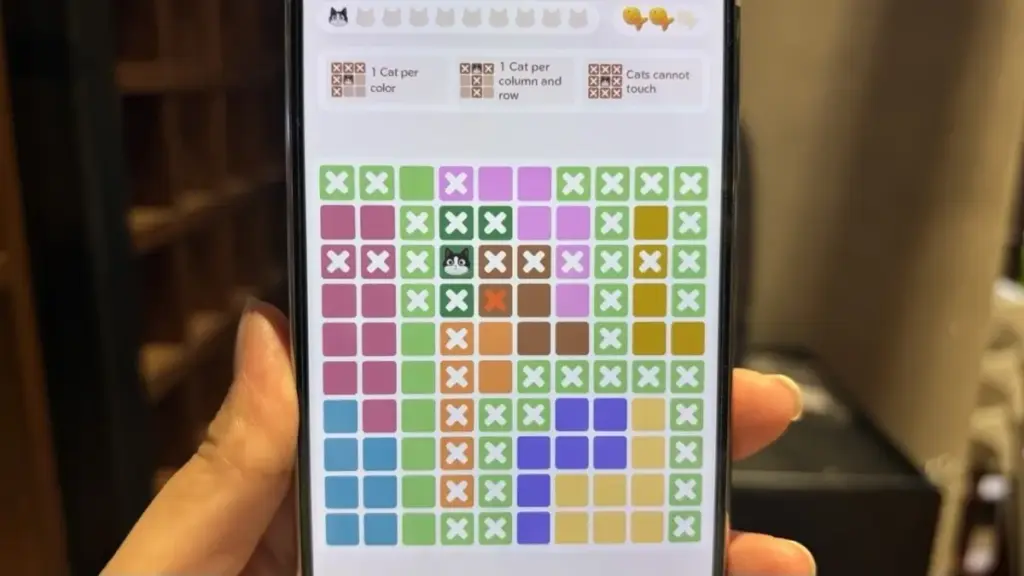
In the modern digital landscape, the mobile gaming market is increasingly saturated with high-octane battle royales, complex strategy epics, and visually demanding RPGs. However, there remains a significant and growing demographic of players who seek the exact opposite: "silly little puzzle games." These are the titles that prioritize systematic organization, tactile sorting, and the gentle untangling of logic puzzles over competitive stress. For many, these games serve as a vital tool for nervous system regulation—a way to quiet an overstimulated brain during the mundane stretches of a daily commute or the sterile waiting room of a dentist’s office.
The latest title to capture this specific brand of digital obsession is Meowdoku, a game that takes the foundational logic of Sudoku and reimagines it through a lens of feline aesthetics and color theory. Developed by Oakever Games, the title has recently seen a surge in visibility, largely driven by an aggressive advertising campaign that has blanketed social media feeds. While many casual gamers are often wary of "ad-bait" games, Meowdoku has proven to be a rare instance where the gameplay behind the marketing is genuinely compelling—even if the delivery method leaves much to be desired.
The perfect cat-themed brain teaser to unwind
At its core, Meowdoku is a sophisticated evolution of the classic Sudoku formula. For decades, Sudoku has relied on the placement of numbers 1 through 9 within a grid, requiring players to ensure that no digit repeats within a row, column, or sub-grid. It is a game of elimination and cold, hard logic. Meowdoku strips away the mathematical clinicality of the original and replaces it with visual patterns. Instead of numbers, players are tasked with placing various cats of different colors into a grid.
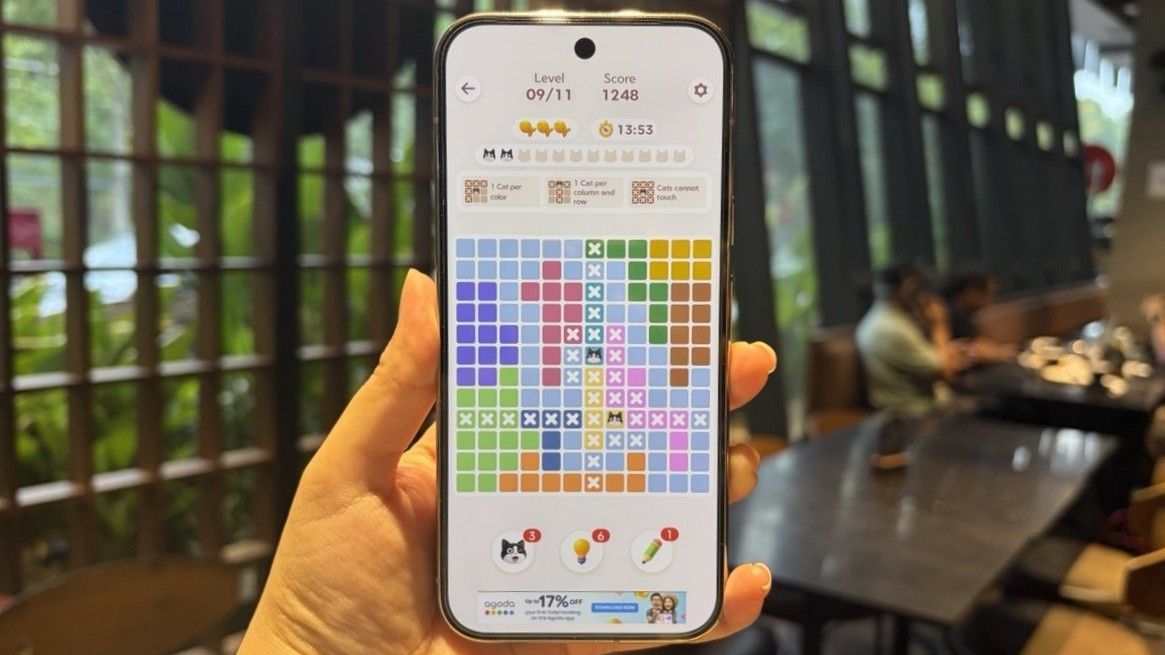
The transition from digits to cats is more than just a cosmetic skin; it alters the way the brain processes the puzzle. Where traditional Sudoku feels like an arithmetic exercise, Meowdoku feels like a spatial and visual arrangement task. The game is built upon three cardinal rules that players must master to progress through its increasingly difficult levels:
- The Row and Column Constraint: Borrowing directly from its namesake, the game dictates that there can only be one cat of a specific type per row or column.
- The Color Constraint: Each level features a variety of colors, and the game mandates that there can only be one cat assigned to each color group.
- The Proximity Constraint: In a twist that adds a layer of complexity reminiscent of "Minesweeper" or certain chess-based puzzles, cats cannot be placed in neighboring blocks. They require their own personal space, much like their real-world counterparts.
Players are tasked with finding and placing ten cats per level by adhering to these rules. To maintain a sense of challenge and prevent mindless trial-and-error, the game employs a "three strikes" system. If a player incorrectly places a cat three times, the level is lost, and they must restart the entire puzzle from scratch. This introduces a tension that is often missing from more lenient casual games, forcing the player to be intentional with every move.
 Mobile Device Management (MDM) & Mobile OS
Google Photos Users Report Crippling App Freezes on Pixel Devices Following Latest AI Update
The Google Pixel ecosystem has long been celebrated for its seamless integration...
 Mobile Device Management (MDM) & Mobile OS
Samsung’s Foray into the Googlebook Era: Leaked Benchmarks Reveal Snapdragon X Elite Power and Android 17 Integration
The landscape of portable computing is undergoing its most significant transformation in...
 Mobile Device Management (MDM) & Mobile OS
Google Announces Inaugural Play Fest: A Week-Long Global Celebration of Apps, Gaming, and Rewards
In a significant move to deepen user engagement within its digital ecosystem,...







