
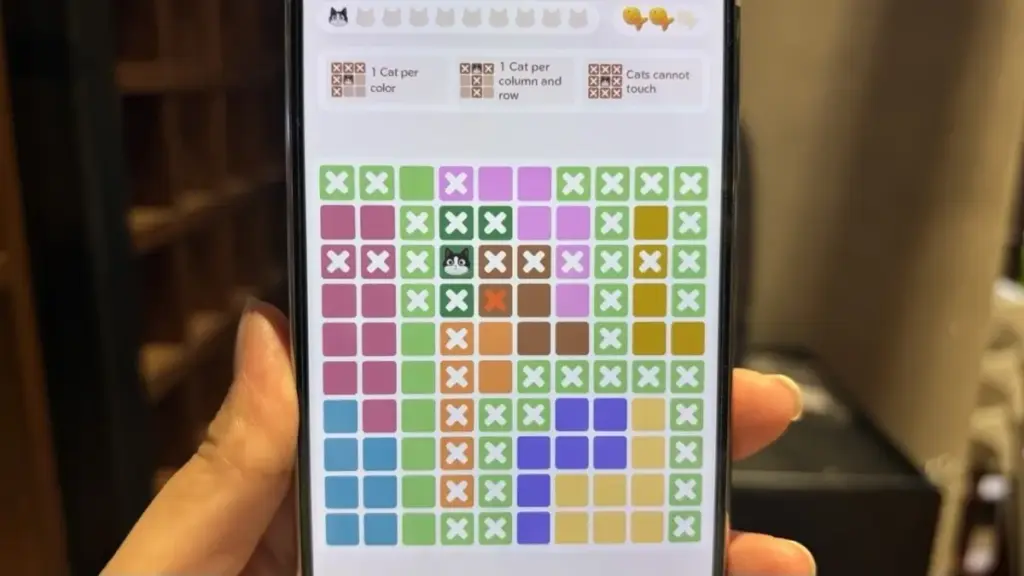
The irony of Meowdoku is that its core gameplay is perfectly designed for relaxation, yet its ad frequency is designed in a way that actively disrupts the "flow state" required for puzzle-solving. For a game that many use to "quiet an overstimulated brain," the sudden jump from a serene, cat-filled grid to a loud, high-energy advertisement for another mobile game can be jarring.
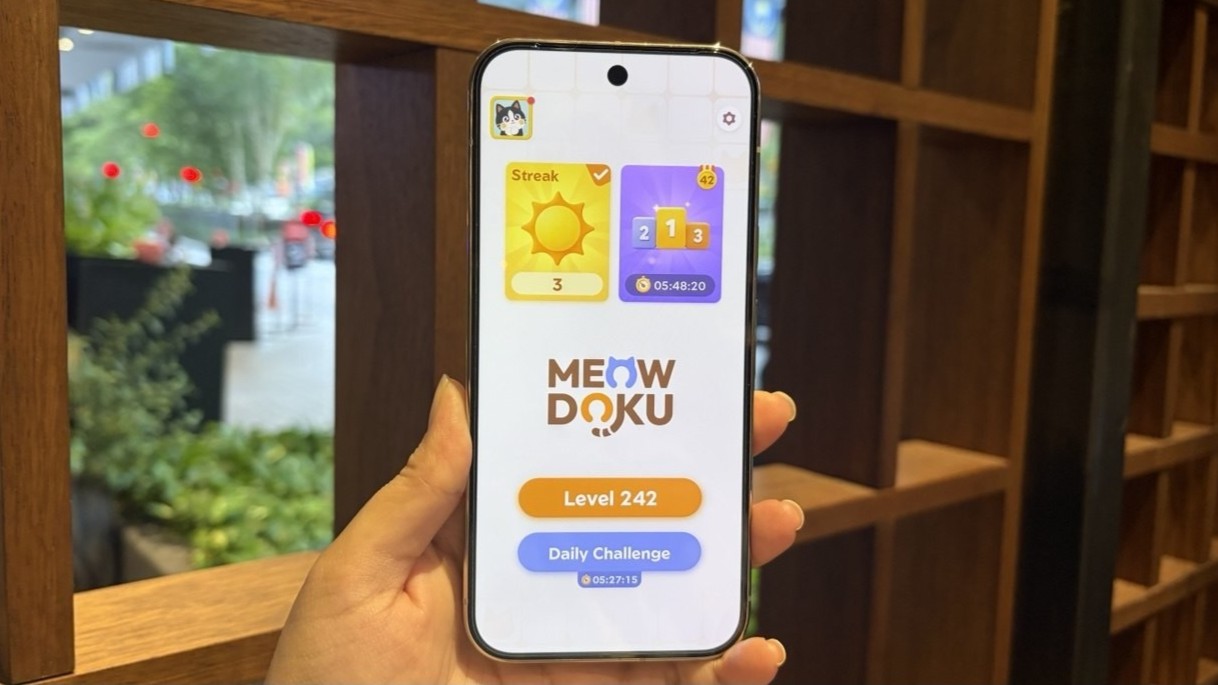
From a business perspective, Oakever Games appears to be sitting on a potential goldmine. The "cozy gaming" trend is at an all-time high, and Meowdoku fits perfectly into that niche. By introducing a modest ad-free tier, the developers could likely convert a significant portion of their daily active users into paying customers. Many players have expressed a willingness to pay for the privilege of playing uninterrupted, yet they are currently left with no choice but to sit through the ads or stop playing entirely.
For the time being, many players find themselves in a state of reluctant addiction. They continue to "grind their teeth" through thirty-second clips of other apps because the underlying logic of Meowdoku is simply too satisfying to abandon. It is a testament to the game’s design that it remains popular despite a user interface that feels designed to test the player’s patience as much as their logic.
The story of Meowdoku is a modern parable of the mobile gaming era. It highlights the power of a well-executed mechanical hook—taking a century-old puzzle and making it feel brand new through clever thematic changes. However, it also serves as a cautionary tale about the importance of user experience and the risks of over-monetization through forced interruptions.
As the game continues to trend on the Google Play Store and across social media platforms, the ball remains in Oakever Games’ court. If they can address the community’s outcry for a premium, ad-free experience, Meowdoku could transition from a viral curiosity into a staple of the puzzle genre. Until then, players will continue to balance their love for the cats with their disdain for the commercials, one row and column at a time. Whether the game is "worth" the time spent watching ads is a question each player must answer for themselves, but for those who find peace in the systematic sorting of colorful felines, the answer—for now—seems to be a frustrated "yes."
 Mobile Device Management (MDM) & Mobile OS
Google Announces Inaugural Play Fest: A Week-Long Global Celebration of Apps, Gaming, and Rewards
In a significant move to deepen user engagement within its digital ecosystem,...
 Mobile Device Management (MDM) & Mobile OS
Google Expands Certified Refurbished Program to Include Pixel 9 Series with Significant Price Cuts
Google has officially expanded its hardware offerings in the United States by...
 Mobile Device Management (MDM) & Mobile OS
Amazon Slashes Samsung Galaxy S26 Ultra Price by $450 Following Recent Market Adjustments
In a surprising turn of events for the mobile industry, the Samsung...







