For many, the morning ritual is a simple, three-point checklist: phone, wallet, and keys. It is a minimalist philosophy that has served the average person for decades. However, within the growing subculture of "Everyday Carry" (EDC), these three items are merely the foundation of a much larger, more complex architecture of personal preparedness. For Joe Fedewa, a veteran technology journalist with more than a decade of experience documenting the shifts in the Google and Android ecosystems, the fascination with EDC gear has always been a constant hum in the background of his professional life. Despite his deep interest, his personal inventory remained stubbornly "boring" for years—until he decided to bridge the gap between enthusiast interest and practical utility using the power of 3D printing.
The journey into the "rabbit hole" of custom EDC design is one of trial, error, and the eventual realization that in the world of pocket-sized tools, less is almost always more. Fedewa’s transition from a passive observer to an active maker highlights a broader trend in the tech community: the use of rapid prototyping to solve hyper-specific personal problems. His goal was straightforward yet notoriously difficult to achieve: find a way to carry a suite of utility tools—screwdrivers, pencils, tape measures, and knives—without the bulk that usually accompanies a traditional multi-tool or a dedicated toolbox.
Cool, But Not Pocketable
The catalyst for this design experiment was a viral concept within the maker community: the "Altoids tin toolbox." The idea of cramming a functional set of tools into a small peppermint tin is a staple of DIY culture, offering a nostalgic yet functional aesthetic. Inspired by this, Fedewa sought to modernize the concept. Rather than a loose tin floating in a pocket, he envisioned a 3D-printed chassis that could serve as a modular toolbox, specifically designed to attach to the back of a smartphone using MagSafe-style magnets.
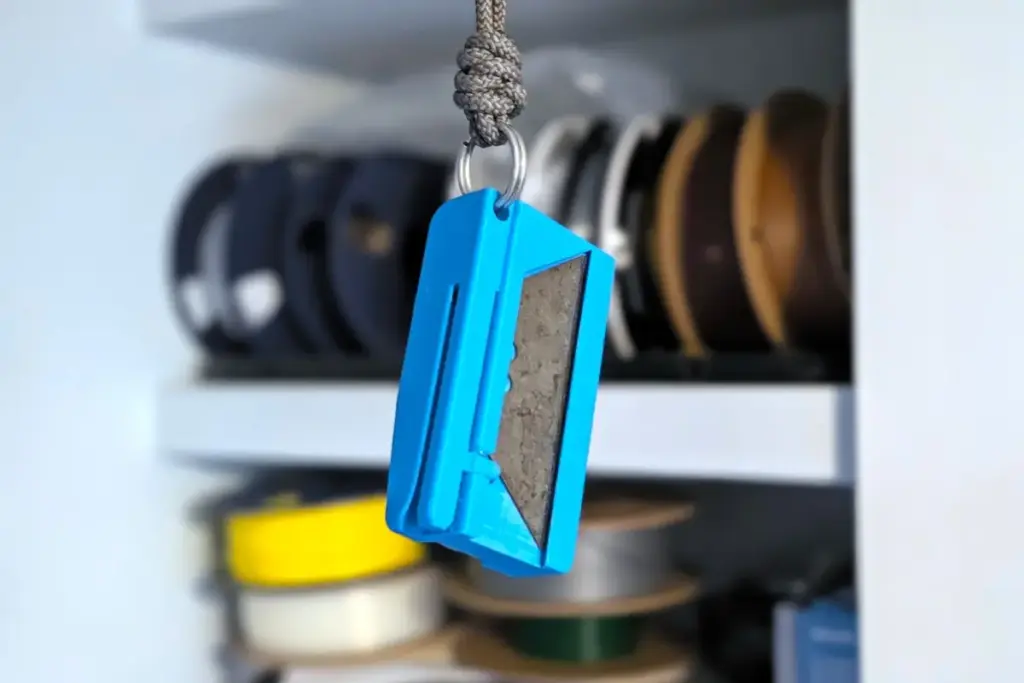
The initial design phase involved an exhaustive search for the smallest possible versions of essential tools. Fedewa scoured local hardware stores and online retailers like Amazon for "micro" versions of everyday items. The final selection for the first prototype was ambitious, including a screwdriver with multiple interchangeable bits, a pair of tweezers, a mini pencil, a utility knife, and even a functional tape measure.
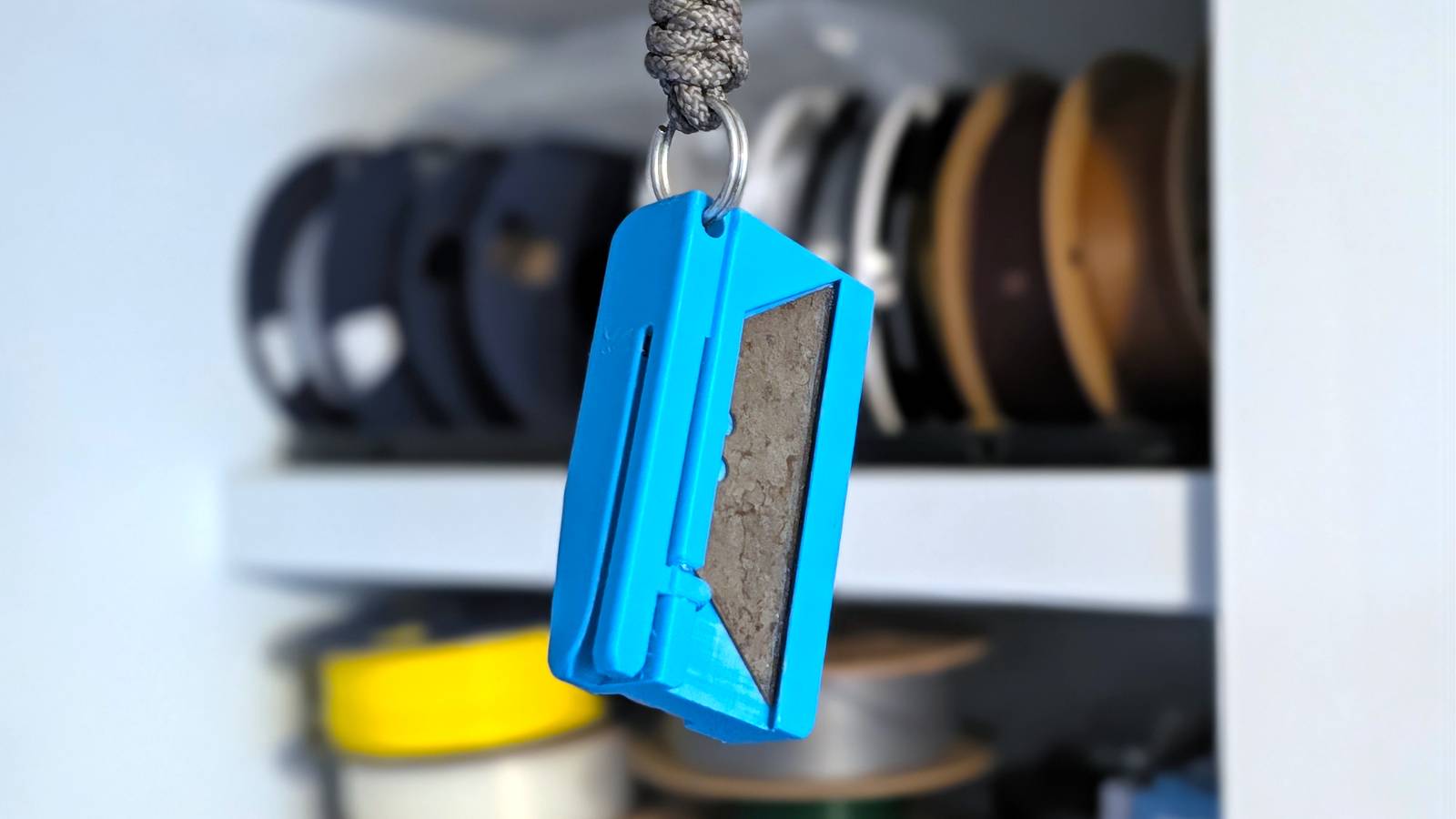
On paper, the design was a triumph of organization. The 3D-printed housing kept every item in its place, and the magnetic attachment meant the "toolbox" could travel wherever the phone went. However, the transition from digital model to physical object revealed the first major hurdle of EDC design: the difference between "portable" and "pocketable."
The inclusion of the tape measure, while technically impressive, became the design’s undoing. Fedewa had designed the lid so that the tape measure’s button protruded through the top, a tactile feature he found particularly satisfying. Yet, this single tool occupied nearly a third of the total internal volume. When attached to the phone, the resulting package was far thicker than anticipated. It was a functional kit, certainly, but it lacked the streamlined profile required for daily pocket wear. As Fedewa noted, the final product was perhaps better suited for a magnetic surface like a refrigerator than the slim confines of a pair of jeans. It was a "cool" object, but it failed the fundamental test of EDC—it was too cumbersome to actually carry every day.
 Tech Tutorials & How-To Guides
From E-Waste to New Passions: How Repurposed Technology is Fueling a New Era of Accessible Geek Hobbies
For many technology enthusiasts, the "junk drawer" is a common household fixture—a...
 Tech Tutorials & How-To Guides
The Utility of Destruction: Why the Most Valuable 3D Prints Are Designed to Be Ruined
In the modern landscape of additive manufacturing, the primary narrative often revolves...
 Tech Tutorials & How-To Guides
The Best Documentaries and Docuseries to Stream: September 2026’s Top Picks
The landscape of streaming television continues to be heavily influenced by the...