
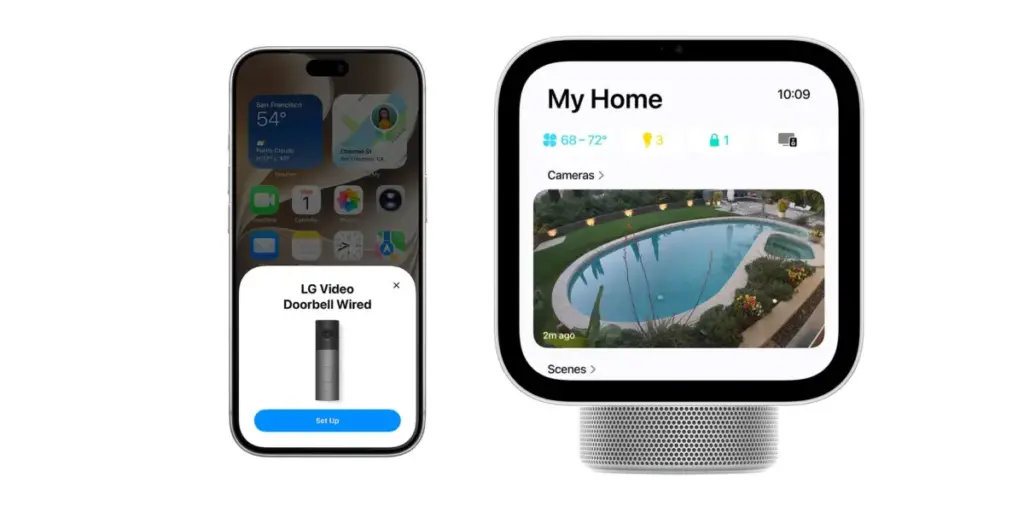
For those who consider themselves part of the global community of technology enthusiasts, it is remarkably easy to forget that we exist within a specialized bubble. In this environment, terms like "mesh networking," "low-latency protocols," and "IP-based connectivity" are common parlance. Many within this circle have been tinkering with smart home technology for over a decade, and some veterans can even trace their involvement back several decades to the early days of X10 industry standards. To the enthusiast, the minor frustrations of a device failing to pair or a firmware update requiring a manual reboot are simply part of the hobby—a tax paid for the privilege of living in the future.
However, the recent unveiling of the Apple Home Collection—a curated suite of smart home accessories developed in collaboration with industry giants like LG and Schneider Electric—has sparked a wave of skepticism within this tech-centric bubble. Critics and power users have been quick to point out that the collection does not necessarily introduce revolutionary new product categories. Instead, it offers smart doorbells, cameras, and electrical components that appear, at least on paper, to be significantly more expensive than existing alternatives that offer similar specifications.
The prevailing question among the "geek" community is simple: Why would anyone pay a premium for these devices when the market is already saturated with HomeKit-compatible options at a fraction of the cost? The answer, it seems, lies in a fundamental misunderstanding of the "normie" experience. While the enthusiast sees a price tag and a spec sheet, the average consumer sees a daunting wall of complexity. With the Apple Home Collection, Apple is betting that the mass market is finally ready to adopt smart home technology, provided the "friction" of the experience is reduced to near zero.
HomeKit was a start, but not enough
To understand why the Apple Home Collection represents a potential turning point, one must look back at the evolution of the smart home. In the earliest iterations of home automation, the barrier to entry was extraordinarily high. It was a world of soldering irons, custom-coded scripts, and complex wiring. It was less of a consumer product category and more of a specialized branch of electrical engineering.
The first major shift occurred with the advent of the smartphone and the rise of fully wireless, Wi-Fi-enabled devices. Suddenly, the hardware was accessible, but the software landscape was a fragmented mess. Every new lightbulb, thermostat, or security camera required its own proprietary companion app. A "smart home" in 2012 often meant a folder on an iPhone filled with a dozen different apps, none of which talked to each other.
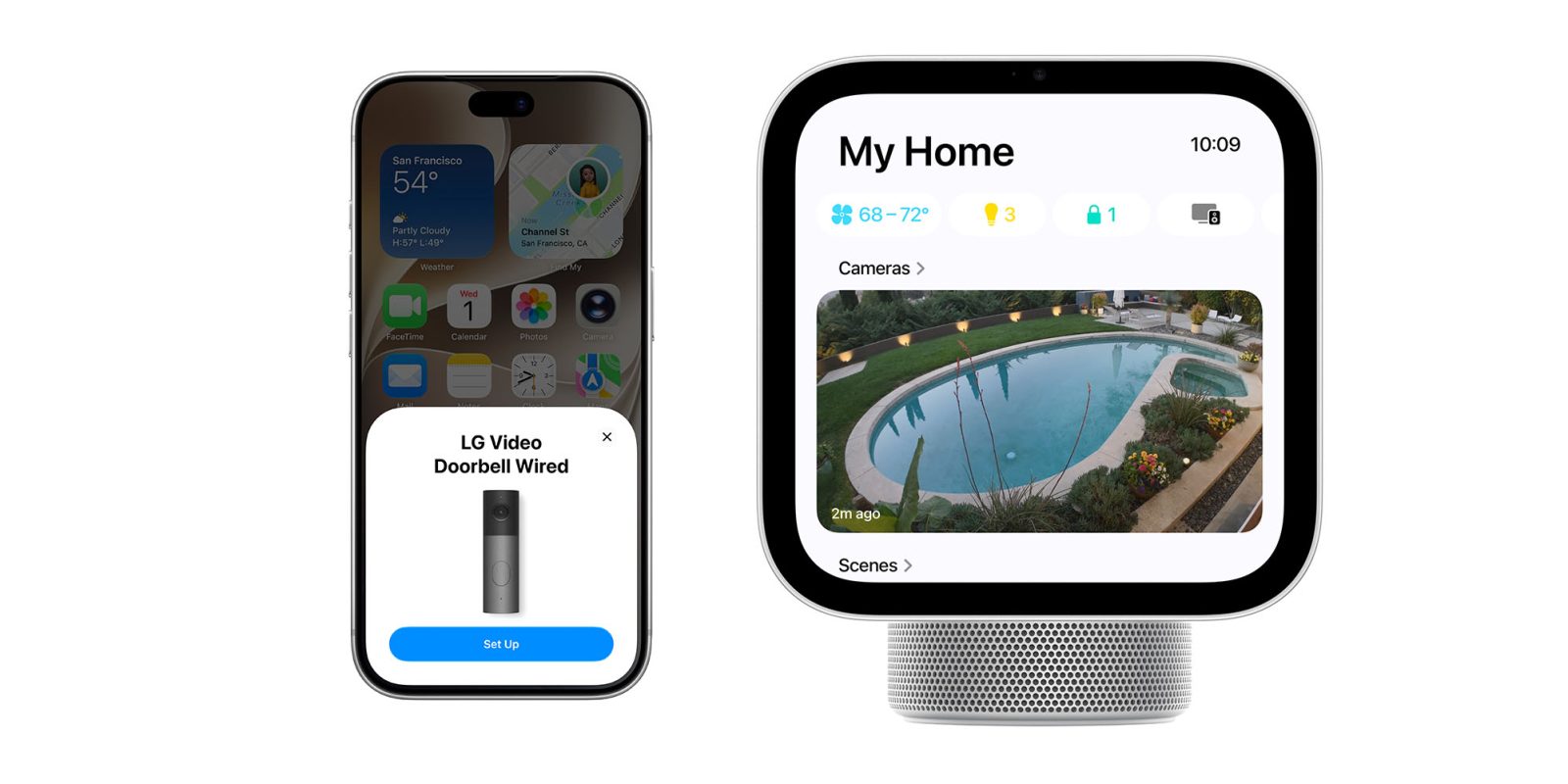
Apple’s solution to this fragmentation was HomeKit. Launched with the promise of a unified ecosystem, HomeKit aimed to bring all these disparate devices under one roof—the Home app. The vision was compelling: a single interface for control, a standardized security protocol, and the ability to use Siri for voice commands. The "Works with Apple HomeKit" badge was intended to be a guarantee of both compatibility and privacy.
 Smart Home & IoT Solutions
Apple Expands Smart Home Ecosystem with New Third-Party Accessories and Aqara Matter Integration
In a strategic update to its retail and online storefronts this week,...
 Smart Home & IoT Solutions
Controller for HomeKit Introduces Natural Language AI to Simplify Complex Smart Home Automations
The promise of the modern smart home has always been one of...
 Smart Home & IoT Solutions
Abode Expands Smart Home Ecosystem with New Specialized Sensors for Garage and Outdoor Security
In an era where home security is increasingly moving toward integrated, user-managed...







