
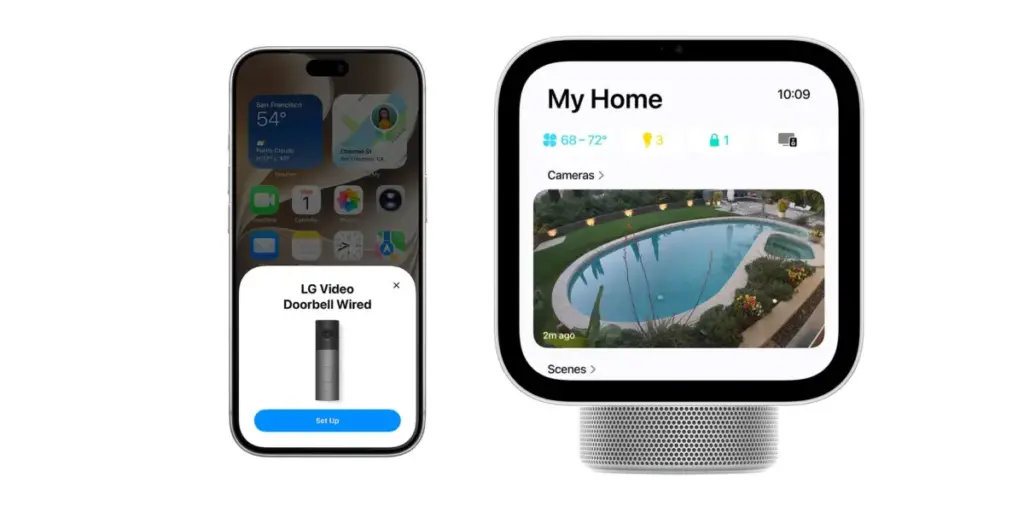
The Apple Home Collection brings this "magical" proximity-based pairing to the home. During recent demonstrations, observers noted that configuring a new device from this collection appeared as simple as pairing a new set of HomePods. Ajay Kumar of CNET highlighted this ease of use, describing a scene where an Apple representative paired and registered a new smart home device while carrying on a casual conversation, never once needing to dive into complex sub-menus or troubleshoot a connection.
The "HomeView" interface and the seamless integration into the Apple Home app mean that the user is never handed off to a third-party manufacturer’s software. Everything from the initial "handshake" to the long-term management of the device happens within the native Apple environment. This removes the psychological barrier of "What if I can’t get it to work?"—a fear that has kept many potential customers from investing in home automation.
We should not underestimate the impact of this transition. While the tech-savvy are willing to spend an afternoon configuring a HomeBridge server or troubleshooting a Zigbee mesh, the average consumer is not. For the "normie" who has been intrigued by the idea of a smart home but intimidated by the perceived complexity, the Apple Home Collection represents a safe entry point. They are paying a premium not for a better camera lens or a louder speaker, but for the certainty that they can set it up themselves in thirty seconds without frustration.
This shift suggests that the smart home industry is moving out of its "hobbyist" phase and into a true mass-market era. Much like the transition from command-line interfaces to graphical user interfaces, the underlying technology is becoming invisible. When the technology disappears and only the benefit remains, adoption tends to skyrocket.
For years, the smart home has been a collection of gadgets. With the Apple Home Collection, Apple is attempting to turn it into a cohesive, user-friendly utility. While the price points may keep the budget-conscious enthusiasts at bay, the promise of an "AirPods-like" experience for the front door, the living room, and the kitchen may be exactly what is needed to bring the smart home to the rest of the world. The tech bubble may not see the value in paying more for simplicity, but for the millions of people outside that bubble, simplicity is the most valuable feature of all.
 Smart Home & IoT Solutions
Apple Reimagines the Smart Home with iOS 27: 4K Video Support and Intelligence-Driven Notifications Take Center Stage
As Apple prepares for what is rumored to be one of its...
 Smart Home & IoT Solutions
Apple and LG Reportedly Partnering on New Suite of Smart Home Accessories to Anchor Major Ecosystem Reboot
Apple is poised to significantly accelerate its presence in the domestic technology...
 Smart Home & IoT Solutions
Philips Hue Enhances Smart Home Ecosystem with Launch of SpatialAware and New Video Doorbell Features
The landscape of smart home lighting has undergone a significant transformation today...







