
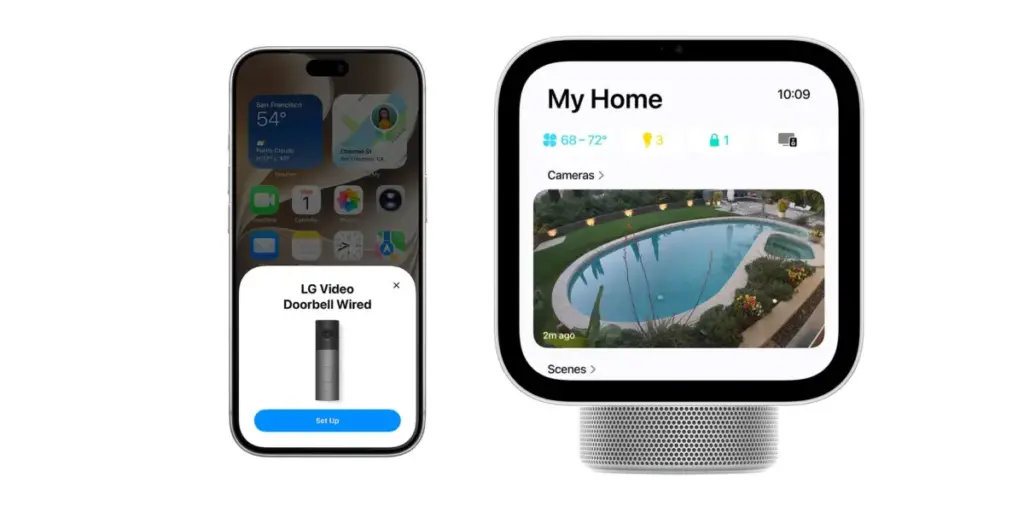
The reality, however, often fell short of that vision. Even within the HomeKit ecosystem, the initial setup process remained a significant hurdle for the non-technical user. Many devices still required a third-party app for the initial "handshake" before they could be bridged into the Apple Home app. For the average person, troubleshooting a device that refused to join a 2.4GHz network or navigating a bridge-to-router connection felt less like a luxury upgrade and more like an unpaid internship as a network engineer. Furthermore, the selection of HomeKit-compatible hardware remained limited compared to the vast ecosystems supported by Amazon Alexa and Google Home, largely due to Apple’s stringent hardware security requirements in the early years.
Matter and Thread helped
The industry recognized these pain points, leading to the development and eventual launch of the Matter and Thread standards. Matter was designed as a universal "language" for smart home devices, allowing products from different manufacturers to work seamlessly across Apple, Google, and Amazon platforms. Thread, meanwhile, provided a robust, low-power mesh networking protocol that reduced the reliance on central hubs and improved device responsiveness.
These standards were undoubtedly a massive leap forward. They simplified the development process for manufacturers and offered consumers more choice. Matter, in particular, introduced a more standardized setup process involving simple QR code scanning. For the tech-savvy, this was a revelation. It made the process of adding a new device significantly more reliable and reduced the frequency of the dreaded "No Response" status in the Home app.
Yet, even with Matter and Thread, the smart home remained a "considered purchase." It still required the user to understand what a "border router" was, or at least to have the patience to troubleshoot when a QR code failed to scan on the first try. The mass market—the people who want their home to "just work" without having to think about the underlying protocols—remained largely on the sidelines, observing the smart home as a novelty rather than a necessity.
Apple Home Collection
This brings us to the Apple Home Collection. The skepticism from the tech community stems from the fact that, functionally, a smart doorbell from this collection does the same thing as a doorbell from a budget-friendly competitor. However, what the "geeks" are missing is that the Apple Home Collection isn’t selling specs; it is selling the elimination of anxiety.

For a non-technical user, the setup process for these new devices is fundamentally different from anything that has come before. Apple has applied the same philosophy to the smart home that it applied to wireless audio with the introduction of AirPods. Before AirPods, Bluetooth pairing was a multi-step process involving menus, discovery modes, and occasional failures. With AirPods, you simply open the case near your iPhone, and a setup card appears.
 Smart Home & IoT Solutions
Schlage Launches Sense Pro Smart Deadbolt, Introducing Precision Ultra Wideband Technology to Apple Home Users
Building on the momentum of its initial reveal earlier this year at...
 Smart Home & IoT Solutions
Abode Expands Apple Home Ecosystem with New Ruggedized Garage and Outdoor Security Sensors
The landscape of DIY home security continues to evolve as homeowners move...
 Smart Home & IoT Solutions
Apple Poised for Major Smart Home Overhaul as Apple Intelligence Breaks Siri Development Bottleneck
For several years, Apple’s presence in the smart home market has felt...







