
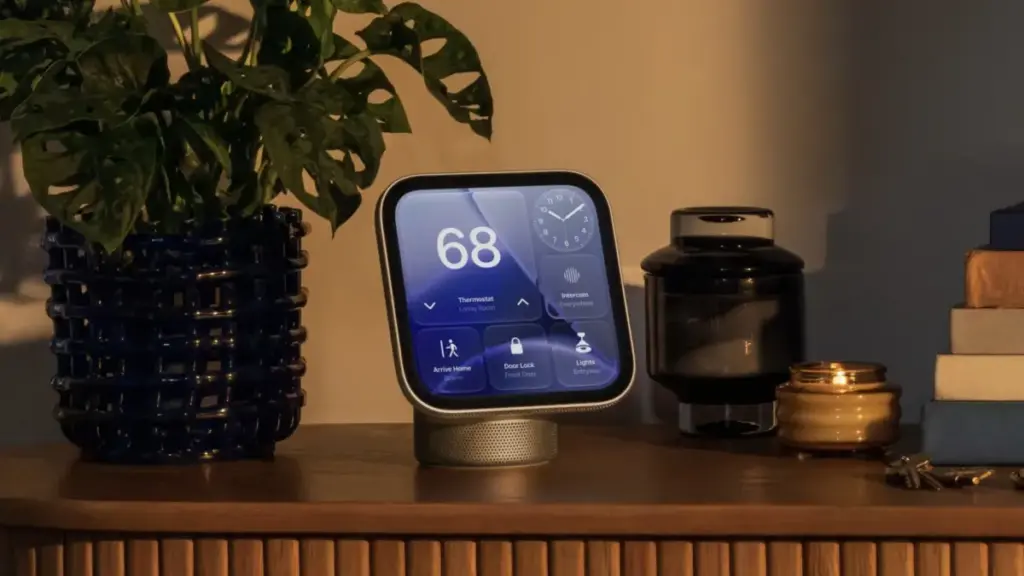
In the rapidly evolving landscape of the smart home, Apple has long been perceived as a deliberate, if sometimes slow-moving, player. While competitors like Amazon and Google have flooded the market with a variety of smart displays and integrated security solutions, Apple’s ecosystem has remained largely centered on the HomePod, the Apple TV, and a reliance on third-party hardware manufacturers. However, recent discoveries within Apple’s own software ecosystem suggest that the company is preparing to bridge this gap with a multifaceted device currently referred to as "HomeView."
New evidence unearthed by noted code sleuther pdfu reveals that Apple’s upcoming HomeView device will not merely be a central control hub for lights and thermostats, but will also function as a fully integrated HomeKit security camera. This discovery, found within the code of HomeView software version 27.2, provides a detailed look at how Apple intends to blend high-end hardware functionality with its signature commitment to user privacy and domestic safety.
Streaming and Recording Functionality in HomeView
The technical foundations for the HomeView’s security capabilities appear to be robustly integrated into the device’s operating system. According to the settings discovered in the version 27.2 software, the HomeView will utilize its built-in camera to provide both live streaming and video recording capabilities. These features are designed to work seamlessly within the existing HomeKit framework, allowing the device to behave similarly to dedicated third-party HomeKit Secure Video (HKSV) cameras currently available on the market.
What distinguishes the HomeView’s implementation is the granularity of control offered to the user. The leaked code indicates that Apple is building deep conditional logic into the device’s security settings. Users will apparently be able to toggle streaming and recording based on the specific state of the household. The software allows for distinct configurations depending on whether the primary users are "Home," "Away," or "Asleep."
For example, a user might choose to have the camera completely disabled while the family is active in the living room during the day but set it to automatically begin recording if motion is detected while the household is set to "Asleep" or when the geofencing feature determines that everyone has left the premises. This level of automation ensures that the device provides security when needed without creating the feeling of being constantly monitored by a "Big Brother" presence in one’s own living room.
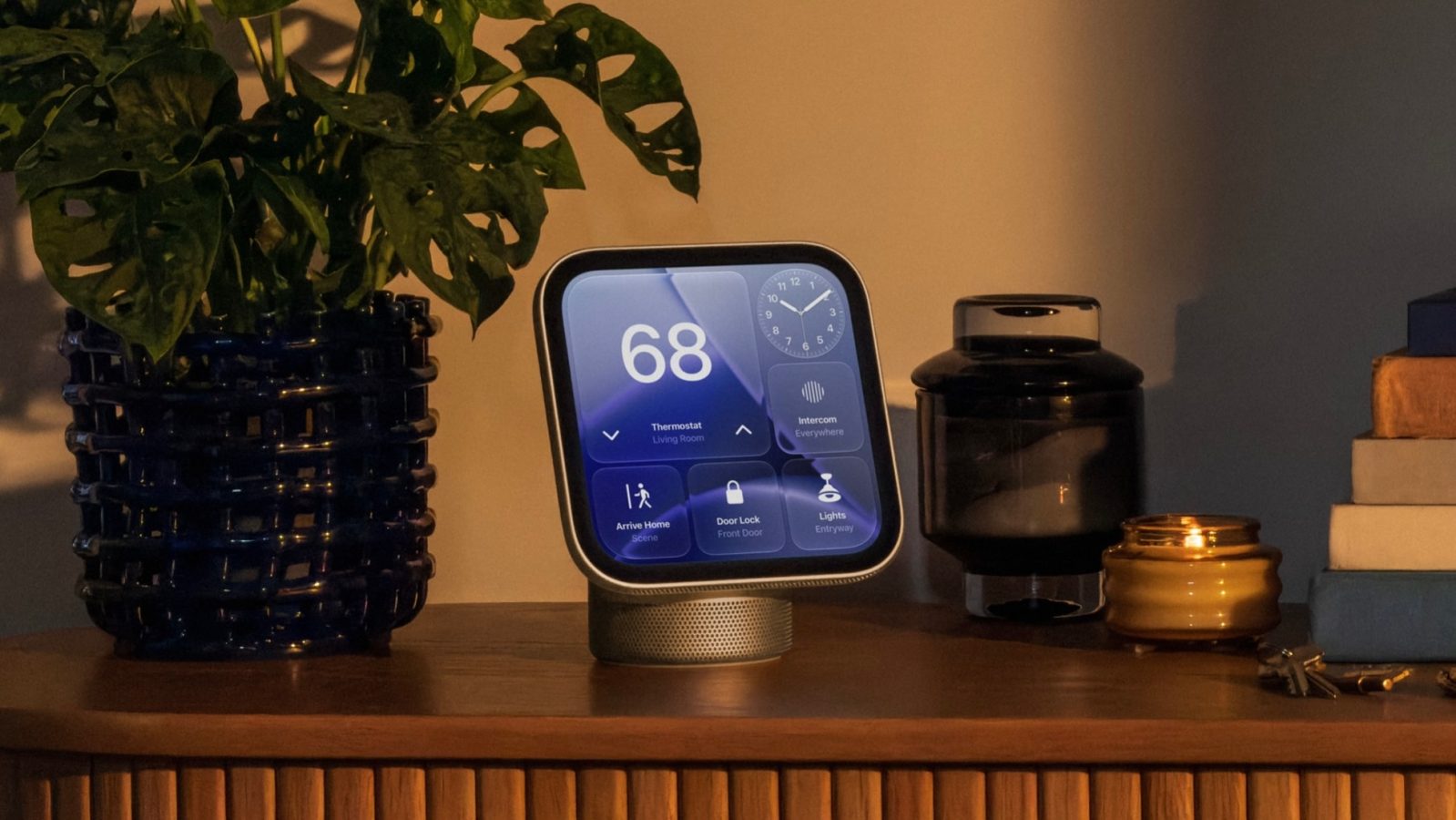
The integration of these features suggests that HomeView is being positioned as a centerpiece of the Apple home. By combining a smart display, a HomeKit controller, and a security camera into a single unit, Apple is effectively reducing the hardware clutter that often plagues modern smart homes. For users who have been hesitant to install standalone security cameras due to aesthetic or complexity concerns, the HomeView offers a consolidated alternative that fits naturally onto a shelf or a kitchen counter.
A Rigorous Approach to User Privacy
Apple has built much of its brand identity around the concept that "privacy is a human right," and the HomeView software discovery suggests that this philosophy is being applied strictly to its foray into integrated home cameras. The presence of a camera in a device designed for private living spaces—such as bedrooms or family rooms—always carries a certain degree of social and ethical anxiety. To mitigate these concerns, Apple has implemented a series of transparent safeguards that go beyond industry standards.
 Smart Home & IoT Solutions
Apple Partners with LG for Strategic Smart Home Expansion Featuring New Cameras and Sensors
In a significant move to revitalize its presence in the domestic technology...
 Smart Home & IoT Solutions
Apple Set to Revolutionize Home Connectivity with New Smart Display Inspired by Iconic iMac G4 Design
Apple is reportedly standing on the precipice of its next major product...
 Smart Home & IoT Solutions
IRobot Re-emerges Under New Ownership with Ambitious Eight-Model Roomba Lineup Following Bankruptcy
In a significant turn of events for the consumer robotics industry, iRobot,...







