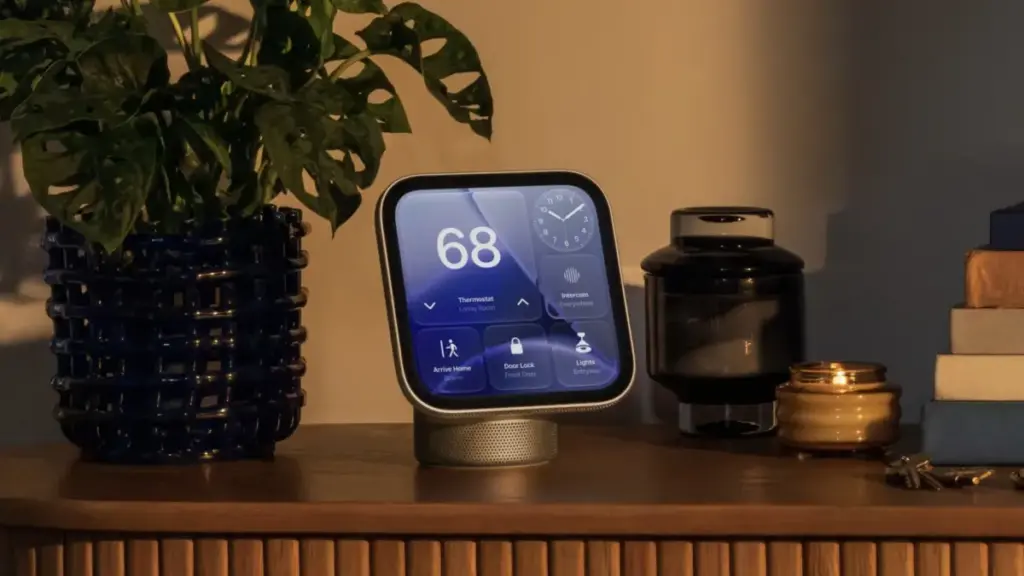
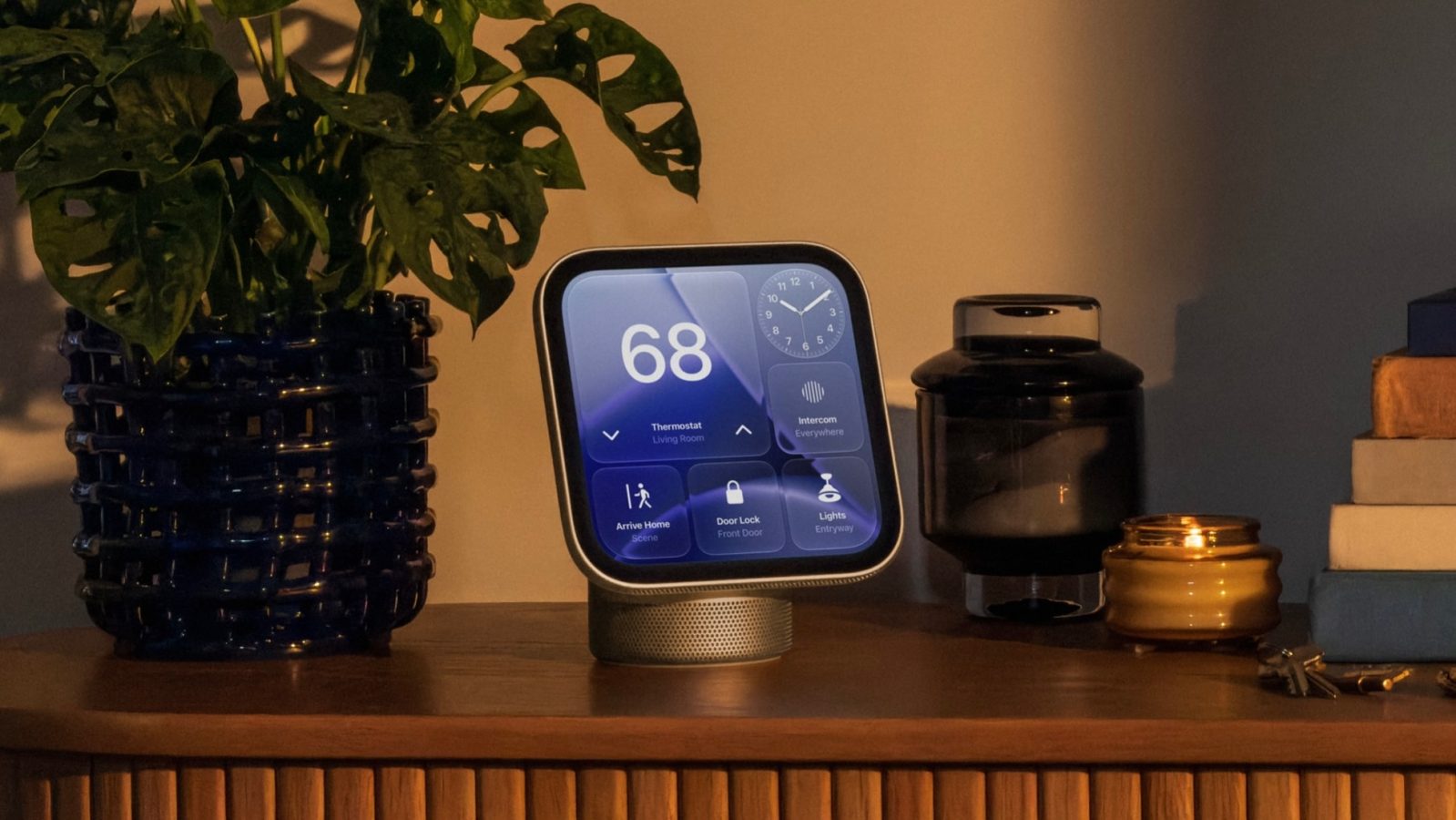
In the rapidly evolving landscape of the smart home, Apple has long been perceived as a deliberate, if sometimes slow-moving, player. While competitors like Amazon and Google have flooded the market with a variety of smart displays and integrated security solutions, Apple’s ecosystem has remained largely centered on the HomePod, the Apple TV, and a reliance on third-party hardware manufacturers. However, recent discoveries within Apple’s own software ecosystem suggest that the company is preparing to bridge this gap with a multifaceted device currently referred to as "HomeView."
New evidence unearthed by noted code sleuther pdfu reveals that Apple’s upcoming HomeView device will not merely be a central control hub for lights and thermostats, but will also function as a fully integrated HomeKit security camera. This discovery, found within the code of HomeView software version 27.2, provides a detailed look at how Apple intends to blend high-end hardware functionality with its signature commitment to user privacy and domestic safety.
Streaming and Recording Functionality in HomeView
The technical foundations for the HomeView’s security capabilities appear to be robustly integrated into the device’s operating system. According to the settings discovered in the version 27.2 software, the HomeView will utilize its built-in camera to provide both live streaming and video recording capabilities. These features are designed to work seamlessly within the existing HomeKit framework, allowing the device to behave similarly to dedicated third-party HomeKit Secure Video (HKSV) cameras currently available on the market.
What distinguishes the HomeView’s implementation is the granularity of control offered to the user. The leaked code indicates that Apple is building deep conditional logic into the device’s security settings. Users will apparently be able to toggle streaming and recording based on the specific state of the household. The software allows for distinct configurations depending on whether the primary users are "Home," "Away," or "Asleep."
For example, a user might choose to have the camera completely disabled while the family is active in the living room during the day but set it to automatically begin recording if motion is detected while the household is set to "Asleep" or when the geofencing feature determines that everyone has left the premises. This level of automation ensures that the device provides security when needed without creating the feeling of being constantly monitored by a "Big Brother" presence in one’s own living room.
The integration of these features suggests that HomeView is being positioned as a centerpiece of the Apple home. By combining a smart display, a HomeKit controller, and a security camera into a single unit, Apple is effectively reducing the hardware clutter that often plagues modern smart homes. For users who have been hesitant to install standalone security cameras due to aesthetic or complexity concerns, the HomeView offers a consolidated alternative that fits naturally onto a shelf or a kitchen counter.
A Rigorous Approach to User Privacy
Apple has built much of its brand identity around the concept that "privacy is a human right," and the HomeView software discovery suggests that this philosophy is being applied strictly to its foray into integrated home cameras. The presence of a camera in a device designed for private living spaces—such as bedrooms or family rooms—always carries a certain degree of social and ethical anxiety. To mitigate these concerns, Apple has implemented a series of transparent safeguards that go beyond industry standards.
The code reveals that when the HomeView is actively streaming or recording, a clear indicator light will appear on the device’s display. This physical or high-level software cue serves as a constant, visual reminder to anyone in the room that the camera is active. Furthermore, Apple has integrated an auditory component into the security workflow; the device will reportedly emit a specific sound to signal the commencement of a streaming or recording session.
These cues are not just for the benefit of the person who initiated the stream. In a move that emphasizes collective household awareness, the software is designed to send a notification to all members of the HomeKit "Home" whenever the camera is being accessed. This ensures that no single user can surreptitiously monitor other family members or roommates without their knowledge. In an era where digital stalking and "creeping" have become genuine concerns in the smart home space, these transparent notifications represent a significant step forward in responsible product design.
Enhanced Protections Against Domestic Abuse and Misuse
Perhaps the most significant privacy discovery in the 27.2 software involves the restrictions placed on remote activation. The code suggests that if the system detects that any registered home members are currently inside the house, the security camera feature cannot be activated remotely via an iPhone or iPad. Instead, the camera can only be engaged from the HomeView device itself.
This specific restriction appears to be a proactive measure intended to prevent the device from being weaponized in domestic abuse situations. By preventing a user from remotely "spying" on a partner or family member who is at home, Apple is addressing a dark side of smart technology that is often overlooked by manufacturers. In many cases of domestic surveillance, abusers use shared smart home accounts to track the movements and conversations of their victims. By requiring physical proximity or local activation when the home is occupied, Apple creates a technical barrier against this type of clandestine monitoring.
This logic also extends to the general expectation of privacy. Even in healthy households, the idea that a family member could "drop in" on a camera at any moment while someone is relaxing in the living room can be intrusive. By locking out remote access when the home is occupied, Apple reinforces the boundary between security and surveillance, ensuring the camera remains a tool for protection rather than a tool for intrusion.
Positioning HomeView in the Competitive Market
The discovery of these features provides a clearer picture of Apple’s broader strategy for the smart home. For years, the iPad has served as a de facto smart home controller for many, but it lacks the specialized, always-on nature of a dedicated hub. The HomeView appears to be the answer to the Amazon Echo Show and the Google Nest Hub Max, but with a distinctly "Apple" twist.

While Amazon and Google have leveraged their smart displays to push advertising, shopping, and data-heavy services, Apple’s focus with HomeView—as evidenced by this code—is on utility, security, and the "Apple Intelligence" ecosystem. By including a camera that doubles as a HomeKit security node, Apple is increasing the "sticky" nature of its ecosystem. Users who might have considered a standalone camera from a brand like Arlo or Ring may now find it more compelling to stay within the Apple fold, knowing that their video data is protected by the same end-to-end encryption that governs HomeKit Secure Video.
The "Asleep" mode functionality is particularly interesting from a market perspective. It suggests that Apple sees the HomeView as a device that could live on a nightstand, acting as an advanced alarm clock and a localized security monitor. If the device can distinguish between the normal movements of a person sleeping and a genuine security threat, it becomes a much more valuable asset than a simple static camera.
The Value Proposition: More Than Just a Display
The addition of security camera functionality significantly alters the value proposition of the HomeView. For many consumers, a smart display is often viewed as a "nice to have" luxury—a digital photo frame that can also play music or show the weather. However, by integrating a security camera that adheres to strict privacy protocols, Apple is transforming the device into a "must-have" utility for the security-conscious consumer.
From a financial standpoint, this integration could justify a premium price tag. Dedicated high-quality HomeKit cameras often retail for a significant amount; by bundling that technology into a smart hub, Apple provides a consolidated value that is easier for consumers to rationalize. Furthermore, the reliance on HomeKit Secure Video likely means that users will need an iCloud+ subscription to take full advantage of recording features, further bolstering Apple’s services revenue.
The discovery by pdfu in software 27.2 serves as a strong indication that the HomeView is nearing a production-ready state. While Apple has not officially announced the device or its specific features, the level of detail found in the code—ranging from conditional recording triggers to domestic safety protocols—suggests a product that is deeply considered and nearly finalized.
As the smart home market matures, the focus is shifting from what these devices can do to how they make the user feel. By prioritizing transparency through light and sound indicators and protecting users from remote intrusion, Apple is betting that consumers will choose the device that respects their privacy as much as it enhances their security. The HomeView, with its newly revealed camera capabilities, appears poised to be the most sophisticated expression of that bet to date.
 Smart Home & IoT Solutions
SwitchBot Expands Smart Home Ecosystem with Launch of Lock Vision and Lock Vision Pro Featuring 3D Facial Recognition and Matter Support
In the rapidly evolving landscape of smart home security, the quest for...
 Smart Home & IoT Solutions
Apple Poised to Enter Smart Home Display Market with Design Inspired by Iconic iMac G4
In a move that signals a significant shift in its hardware strategy,...
 Smart Home & IoT Solutions
Apple Prepares for "Welcome Home" Event with Major iOS 27 Home App Overhaul and 4K Video Support
As Apple prepares to host its highly anticipated "Welcome Home" special event...