
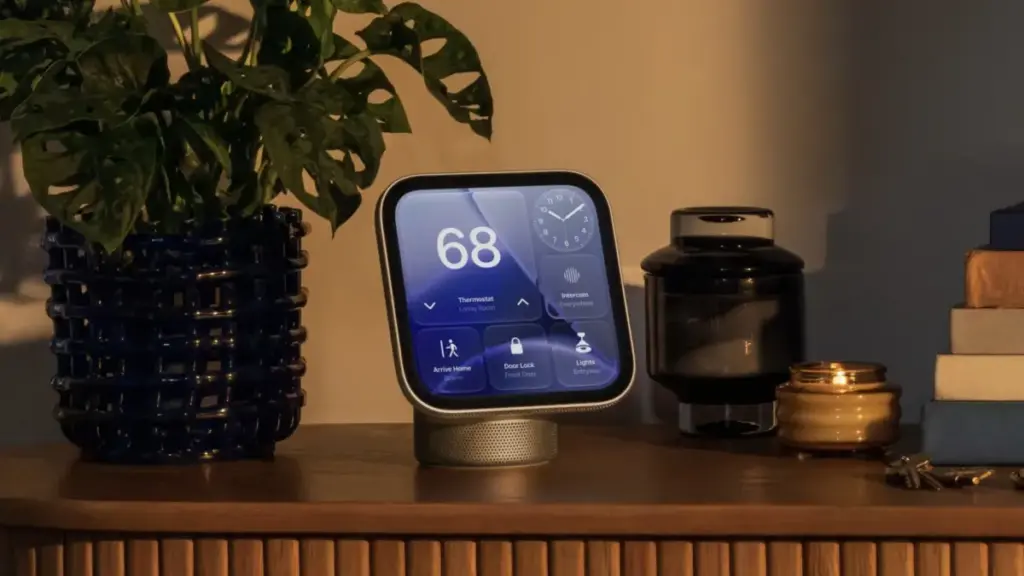
The code reveals that when the HomeView is actively streaming or recording, a clear indicator light will appear on the device’s display. This physical or high-level software cue serves as a constant, visual reminder to anyone in the room that the camera is active. Furthermore, Apple has integrated an auditory component into the security workflow; the device will reportedly emit a specific sound to signal the commencement of a streaming or recording session.
These cues are not just for the benefit of the person who initiated the stream. In a move that emphasizes collective household awareness, the software is designed to send a notification to all members of the HomeKit "Home" whenever the camera is being accessed. This ensures that no single user can surreptitiously monitor other family members or roommates without their knowledge. In an era where digital stalking and "creeping" have become genuine concerns in the smart home space, these transparent notifications represent a significant step forward in responsible product design.
Enhanced Protections Against Domestic Abuse and Misuse
Perhaps the most significant privacy discovery in the 27.2 software involves the restrictions placed on remote activation. The code suggests that if the system detects that any registered home members are currently inside the house, the security camera feature cannot be activated remotely via an iPhone or iPad. Instead, the camera can only be engaged from the HomeView device itself.
This specific restriction appears to be a proactive measure intended to prevent the device from being weaponized in domestic abuse situations. By preventing a user from remotely "spying" on a partner or family member who is at home, Apple is addressing a dark side of smart technology that is often overlooked by manufacturers. In many cases of domestic surveillance, abusers use shared smart home accounts to track the movements and conversations of their victims. By requiring physical proximity or local activation when the home is occupied, Apple creates a technical barrier against this type of clandestine monitoring.
This logic also extends to the general expectation of privacy. Even in healthy households, the idea that a family member could "drop in" on a camera at any moment while someone is relaxing in the living room can be intrusive. By locking out remote access when the home is occupied, Apple reinforces the boundary between security and surveillance, ensuring the camera remains a tool for protection rather than a tool for intrusion.
Positioning HomeView in the Competitive Market
The discovery of these features provides a clearer picture of Apple’s broader strategy for the smart home. For years, the iPad has served as a de facto smart home controller for many, but it lacks the specialized, always-on nature of a dedicated hub. The HomeView appears to be the answer to the Amazon Echo Show and the Google Nest Hub Max, but with a distinctly "Apple" twist.
 Smart Home & IoT Solutions
Apple Ties New AI-Powered Home Security Features to Premium 2TB iCloud+ Subscription Tier
As Apple continues to integrate its sophisticated "Apple Intelligence" suite across its...
 Smart Home & IoT Solutions
Apple and LG Reportedly Partnering on New Suite of Smart Home Accessories to Anchor Major Ecosystem Reboot
Apple is poised to significantly accelerate its presence in the domestic technology...
 Smart Home & IoT Solutions
Report: Apple ‘HomeView’ smart home hub will ship in November, come in four colors, A18 chip
The HomeView is expected to be the centerpiece of a major hardware...







