
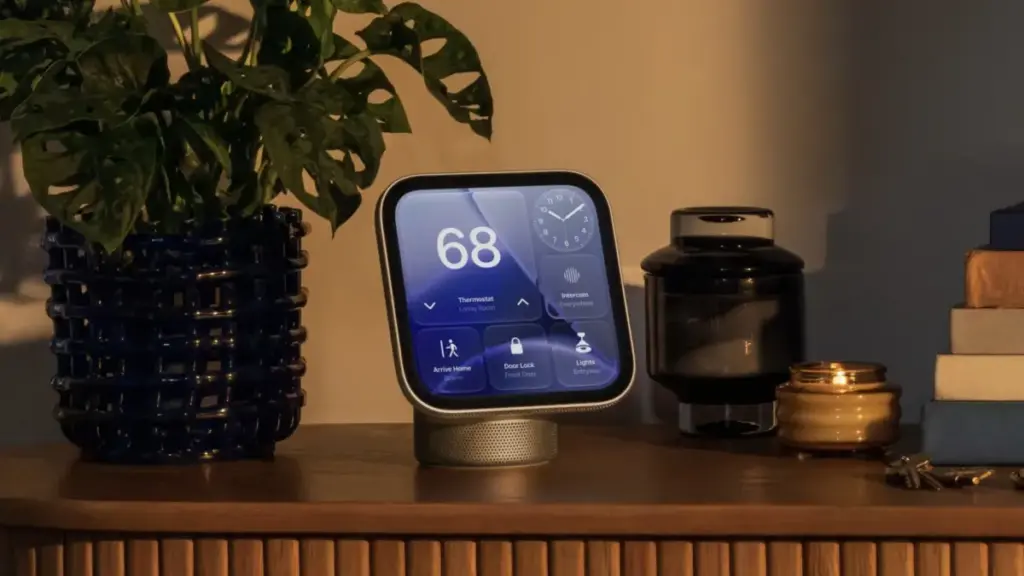

While Amazon and Google have leveraged their smart displays to push advertising, shopping, and data-heavy services, Apple’s focus with HomeView—as evidenced by this code—is on utility, security, and the "Apple Intelligence" ecosystem. By including a camera that doubles as a HomeKit security node, Apple is increasing the "sticky" nature of its ecosystem. Users who might have considered a standalone camera from a brand like Arlo or Ring may now find it more compelling to stay within the Apple fold, knowing that their video data is protected by the same end-to-end encryption that governs HomeKit Secure Video.
The "Asleep" mode functionality is particularly interesting from a market perspective. It suggests that Apple sees the HomeView as a device that could live on a nightstand, acting as an advanced alarm clock and a localized security monitor. If the device can distinguish between the normal movements of a person sleeping and a genuine security threat, it becomes a much more valuable asset than a simple static camera.
The Value Proposition: More Than Just a Display
The addition of security camera functionality significantly alters the value proposition of the HomeView. For many consumers, a smart display is often viewed as a "nice to have" luxury—a digital photo frame that can also play music or show the weather. However, by integrating a security camera that adheres to strict privacy protocols, Apple is transforming the device into a "must-have" utility for the security-conscious consumer.
From a financial standpoint, this integration could justify a premium price tag. Dedicated high-quality HomeKit cameras often retail for a significant amount; by bundling that technology into a smart hub, Apple provides a consolidated value that is easier for consumers to rationalize. Furthermore, the reliance on HomeKit Secure Video likely means that users will need an iCloud+ subscription to take full advantage of recording features, further bolstering Apple’s services revenue.
The discovery by pdfu in software 27.2 serves as a strong indication that the HomeView is nearing a production-ready state. While Apple has not officially announced the device or its specific features, the level of detail found in the code—ranging from conditional recording triggers to domestic safety protocols—suggests a product that is deeply considered and nearly finalized.
As the smart home market matures, the focus is shifting from what these devices can do to how they make the user feel. By prioritizing transparency through light and sound indicators and protecting users from remote intrusion, Apple is betting that consumers will choose the device that respects their privacy as much as it enhances their security. The HomeView, with its newly revealed camera capabilities, appears poised to be the most sophisticated expression of that bet to date.
 Smart Home & IoT Solutions
Apple Poised to Enter Smart Home Display Market with Design Inspired by Iconic iMac G4
In a move that signals a significant shift in its hardware strategy,...
 Smart Home & IoT Solutions
Apple Revolutionizes Smart Home Ecosystem with iOS 27: 4K HomeKit Secure Video and AI-Driven Notifications Lead the Charge
As Apple prepares for its highly anticipated "Welcome Home" special event on...
 Smart Home & IoT Solutions
SwitchBot Expands Smart Home Ecosystem with Launch of Lock Vision and Lock Vision Pro Featuring 3D Facial Recognition and Matter Support
In the rapidly evolving landscape of smart home security, the quest for...







