
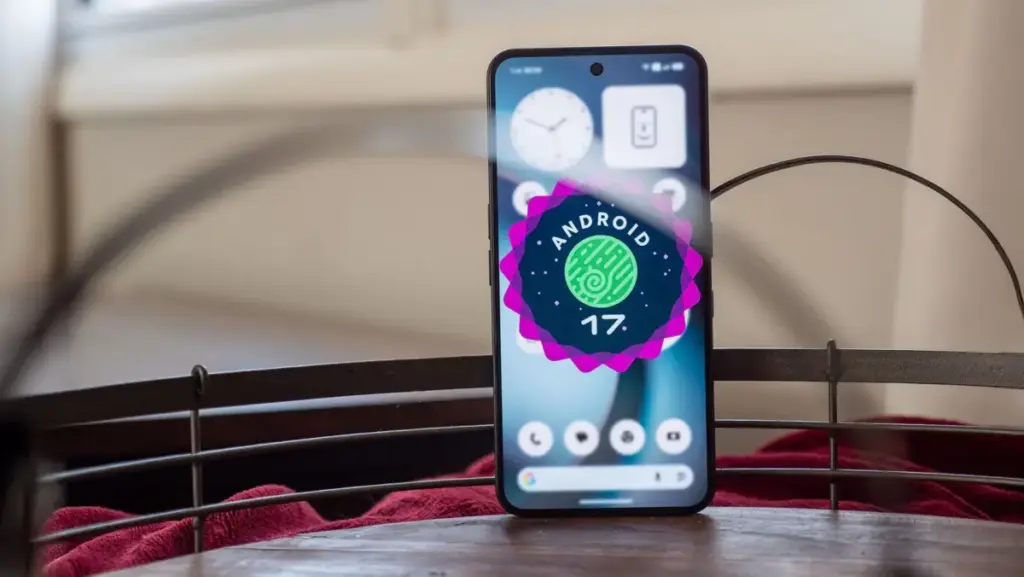
Google’s ambitious development cycle for Android 17 continues to move at a brisk pace, with the tech giant pushing out the latest iteration of its Quarterly Platform Release (QPR) testing phase. The arrival of Android 17 QPR3 Beta 3 marks a significant milestone in the software’s journey toward a stable release, offering a comprehensive suite of bug fixes, interface refinements, and the reintroduction of a highly anticipated security feature. This latest update follows closely on the heels of previous beta cycles, signaling Google’s commitment to polishing the user experience and ensuring system stability across its flagship Pixel device lineup.
The Android 17 development process has been characterized by a dual focus: maintaining the current stable environment while simultaneously building out the future of the operating system. With QPR3 entering its third beta stage, the emphasis has shifted from broad architectural changes to the meticulous "squashing" of bugs that have affected performance, connectivity, and visual consistency. While this release may not introduce a radical aesthetic overhaul, it provides the necessary "under-the-hood" maintenance required to ensure that Android remains a reliable and fluid platform for millions of users.
This new release arrives just over a week after the rollout of QPR3 Beta 2, which itself was a targeted effort to address immediate security vulnerabilities and system loopholes. By maintaining such a rapid cadence of updates, Google is demonstrating a proactive approach to software maintenance, particularly as it relates to the security of user data and the integrity of the Android ecosystem. The release notes for Beta 3, which were recently shared with the developer community on platforms like Reddit, highlight a total of 26 specific fixes that address everything from minor display glitches to critical system crashes.
App lock and bubbles get another shot
One of the most notable aspects of Android 17 QPR3 Beta 3 is the return of the "app lock" feature. This functionality has been a point of interest for privacy-conscious users for some time, and its comeback in this beta build suggests that Google has finalized the implementation details to meet its internal standards for security and usability. App lock provides an essential layer of protection for sensitive information, allowing users to secure individual applications behind biometric authentication or a PIN code. This is particularly useful for apps that handle financial data, private communications, or personal photos, ensuring that even if a device is unlocked, specific content remains inaccessible to unauthorized parties.
In addition to the return of app lock, Google is refining how users interact with multitasking features, specifically "app bubbles." While bubbles have been a part of the Android interface for several versions, their discoverability and ease of use have often been criticized. In Beta 3, Google has introduced the ability to launch app bubbles directly from the Recents menu. This change streamlines the workflow for users who frequently jump between different tasks, eliminating the need to navigate through complex sub-menus or notification settings to activate the feature. By integrating bubbles more deeply into the core navigation interface, Google is making a clear statement about the importance of fluid multitasking in the modern mobile experience.
 Mobile Device Management (MDM) & Mobile OS
Google Maps Enhances Travel Planning with New ‘Ask Maps’ AI Features and European Expansion
The landscape of digital navigation is undergoing a significant transformation as Google...
 Mobile Device Management (MDM) & Mobile OS
The Evolution of Ultra-Compact Power: UGREEN and Rolling Square Redefine the 65W GaN Charger Market
The landscape of mobile power and charging accessories has undergone a radical...
 Mobile Device Management (MDM) & Mobile OS
Google Refines the AI-Powered Smart Home with Major Gemini and Home App Update
Google has concluded the final week of October with a significant suite...







