
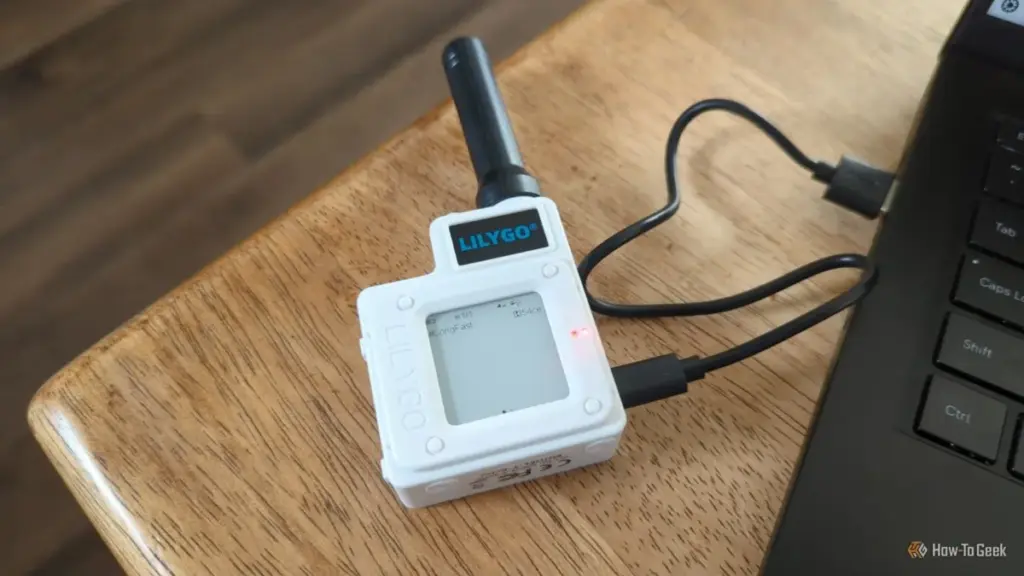
In an era where global connectivity is often taken for granted, the fragility of traditional communication infrastructure remains a persistent concern. From the remote wilderness where cellular signals vanish to urban centers facing grid failures during natural disasters, the dependence on centralized internet service providers and mobile carriers represents a significant point of failure. However, a growing community of tech enthusiasts and emergency preparedness advocates is turning toward an alternative: LoRa technology and the Meshtastic protocol. These tools allow for the creation of decentralized, peer-to-peer messaging networks that operate entirely independently of the internet or cellular reception.
At the heart of this movement is LoRa, a term derived from "Long Range." LoRa is not a messaging app or a specific device, but rather a physical-layer radio modulation technique. It is designed to facilitate long-range communication with extremely low power consumption. While most modern wireless technologies, such as Wi-Fi or 5G, prioritize high data transfer speeds at the expense of range and battery life, LoRa takes the opposite approach. It transmits small packets of data over vast distances, making it the ideal foundation for off-grid text communication.
To make LoRa functional for everyday users, software protocols are required to manage how data is sent, received, and routed. This is where Meshtastic comes into play. Meshtastic is an open-source, mesh-based protocol built on top of the LoRa physical layer. In a standard point-to-point radio setup, two devices must be within range of each other to communicate. In a mesh network, however, every device—or "node"—acts as a repeater. If a user sends a message to someone out of their immediate range, the message can "hop" through intermediate nodes until it reaches its intended destination.
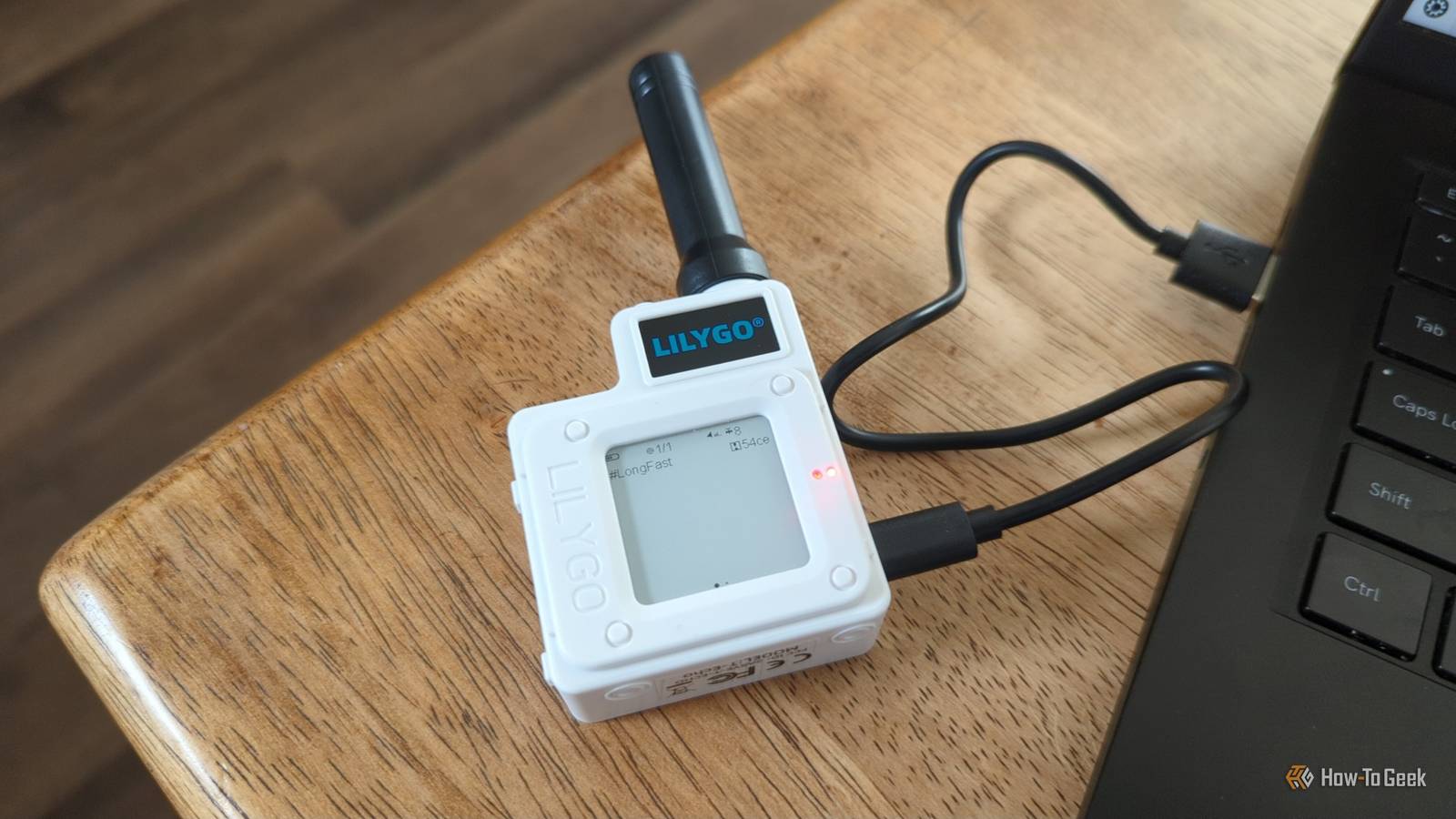
The architecture of Meshtastic is designed for maximum resilience. Each jump between nodes is referred to as a "hop." While the protocol technically supports a maximum of seven hops, most users configure their networks for a more modest three to five hops to balance efficiency and reliability. This community-driven approach means that as more people in a specific area adopt the technology, the network becomes stronger, wider, and more reliable, creating a localized web of connectivity that requires no monthly fees and no corporate oversight.
The Realities of Range and Performance
When discussing LoRa and Meshtastic, the conversation often turns to the impressive theoretical distances the technology can achieve. Under absolute ideal conditions—typically involving high-altitude balloon tests or line-of-sight transmissions between mountain peaks—Meshtastic has recorded successful transmissions over distances as great as 205 miles (331 kilometers). While these figures demonstrate the potential of the underlying physics, they do not reflect the typical user experience.
In a practical, real-world environment, signal propagation is hindered by what engineers call "topology"—the physical layout of the land, including hills, valleys, and man-made structures. Dense forests, concrete buildings, and urban interference can significantly degrade a LoRa signal. For most users, a realistic range for a ground-level node sits between one and seven miles (approximately 1.5 to 11 kilometers). While this may seem modest compared to the reach of the internet, it is more than sufficient for localized group coordination, neighborhood watch programs, or maintaining contact during a hiking expedition.
It is also important for prospective users to understand the bandwidth limitations of the platform. LoRa is a "low-bitrate" technology. It is perfectly suited for sending short text messages, GPS coordinates, and simple telemetry data. It is not, however, capable of handling the high-bandwidth requirements of modern digital life. Users cannot send photographs, stream video, or conduct voice calls over a Meshtastic network. It is a tool for essential communication, designed to function when the "luxury" of high-speed data is unavailable.
 Tech Tutorials & How-To Guides
The Best Documentaries and Docuseries to Stream: September 2026’s Top Picks
The landscape of streaming television continues to be heavily influenced by the...
 Tech Tutorials & How-To Guides
The Hidden Masterpieces of Netflix: Why Critical Success and Mainstream Popularity Don’t Always Align
In the modern era of the "streaming wars," Netflix has established itself...
 Tech Tutorials & How-To Guides
Beyond the Command Line: How btop is Redefining System Monitoring for the Modern Linux User
The terminal has long been the sanctuary of the Linux power user—a...







