
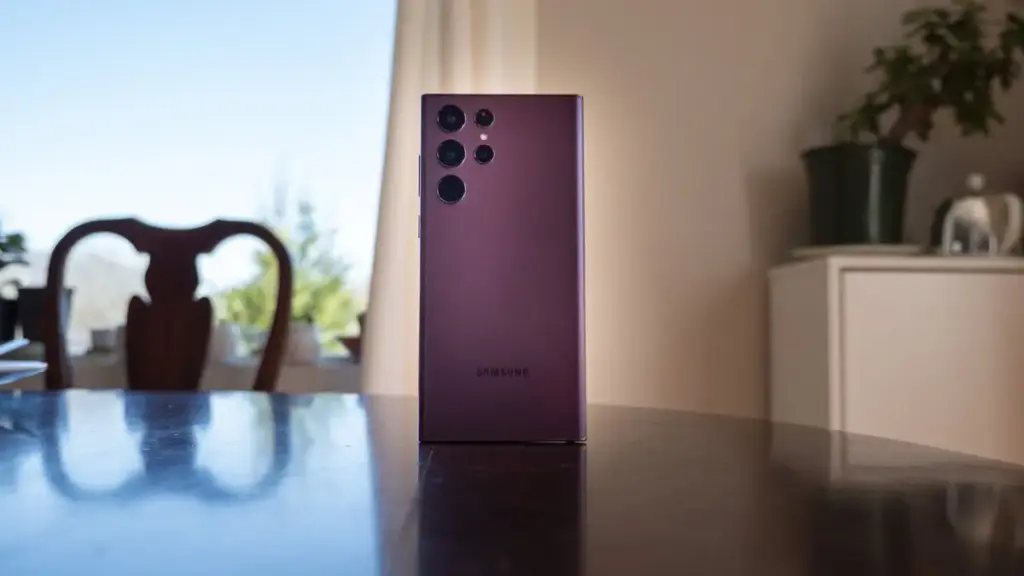
South Korea’s Fair Trade Commission (FTC) has handed down a significant financial penalty to Samsung Electronics, concluding a long-standing investigation into the company’s marketing practices regarding several of its flagship mobile devices. The regulatory body imposed a 20 billion won fine, approximately $15 million USD, following allegations that the tech giant misled consumers regarding the gaming capabilities of the Galaxy S21 and S22 smartphone series, as well as the Galaxy Tab S8 tablet lineup.
The ruling centers on the controversial Game Optimizing Service (GOS), a pre-installed software application that was intended to manage system resources during intensive tasks. According to the FTC, Samsung’s promotional materials promised high-end, uncompromised performance that the hardware ultimately failed to deliver in real-world gaming scenarios due to the restrictive nature of this background service.
In its official statement, the FTC emphasized the importance of transparency in the premium mobile market. The commission noted that gaming performance serves as one of the most critical benchmarks for consumers evaluating high-end smart devices. Rapid screen transitions, high frame rates, and sophisticated graphical effects are often the primary metrics used to showcase the processing power of modern hardware. By failing to disclose that these capabilities were being artificially limited, the FTC argues that Samsung breached consumer trust and violated fair advertising standards.
The Role of GOS and the Throttling Controversy
The core of the dispute involves the Game Optimizing Service, which Samsung initially presented as a sophisticated heat management tool. In theory, GOS was designed to balance performance with thermal efficiency, ensuring that devices did not overheat during extended gaming sessions. However, the FTC’s investigation revealed a much more aggressive implementation than what was suggested to the public.
Rather than acting as a reactive safety measure that only intervened when a device reached high temperatures, the FTC found that GOS would proactively throttle performance the moment a game was launched. This meant that the central processing unit (CPU) and graphics processing unit (GPU) were intentionally slowed down regardless of the device’s actual temperature. For many users, this resulted in a noticeable degradation of the experience, characterized by lower-than-advertised graphical fidelity, sudden frame rate drops, and occasional system freezing or lag.
The discrepancy between the hardware’s theoretical power and its actual performance became a major point of contention within the tech community. While Samsung’s marketing highlighted the raw power of its custom and partner-designed chipsets, the software was effectively preventing that power from being utilized by the very applications that needed it most. The FTC’s ruling reaffirms that companies have a legal and ethical obligation to inform consumers of any internal software limitations that significantly alter the performance of the features being advertised.
 Mobile Device Management (MDM) & Mobile OS
Google Rolls Out Major November Update for Googlebook to Optimize AI Memory and System Stability
Google has officially begun the deployment of its November system update for...
 Mobile Device Management (MDM) & Mobile OS
Nimble SharePower Redefines Portable Charging by Splitting the Difference for Modern Travelers
In the modern era of high-performance smartphones and power-hungry mobile applications, the...
 Mobile Device Management (MDM) & Mobile OS
Google Messages Prepares Significant Upgrades for Voice Note Playback and Conversation Management
Google Messages has undergone a radical transformation over the last few years,...







