The Broader Impact on the Mobile Gaming Market
The fallout from the GOS controversy has already had a tangible impact on how mobile devices are benchmarked and reviewed. When the story first broke, major benchmarking platforms like Geekbench took the unprecedented step of delisting several Galaxy models from their charts. This was because GOS was found to allow the devices to run at full speed during benchmark tests while throttling them during actual gameplay—a practice often referred to as "benchmark manipulation."
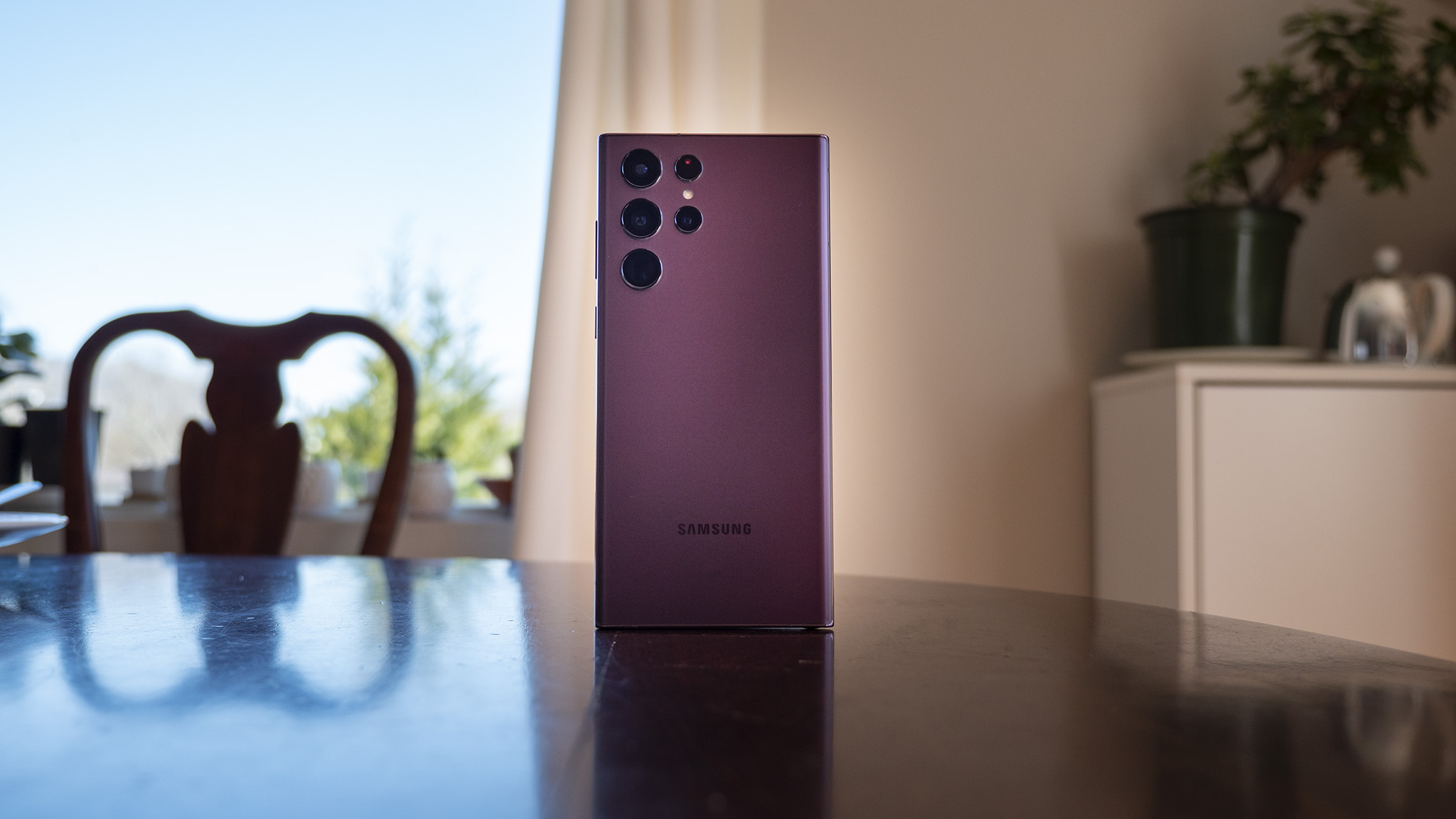
For the mobile gaming industry, this fine marks a turning point in regulatory oversight. As smartphones increasingly position themselves as viable alternatives to handheld consoles, the accuracy of performance claims has become a matter of significant economic importance. High-end titles like Wuthering Waves or Genshin Impact require immense resources, and consumers often make purchasing decisions based on which flagship can maintain a stable 60 frames per second.
The FTC’s move signals to all manufacturers that software-based performance limiting must be handled with extreme care. It suggests that if a "Pro" or "Ultra" device cannot sustain its peak performance without aggressive throttling, the manufacturer must be upfront about those limitations in its marketing.
Looking Toward the Future of Galaxy Gaming
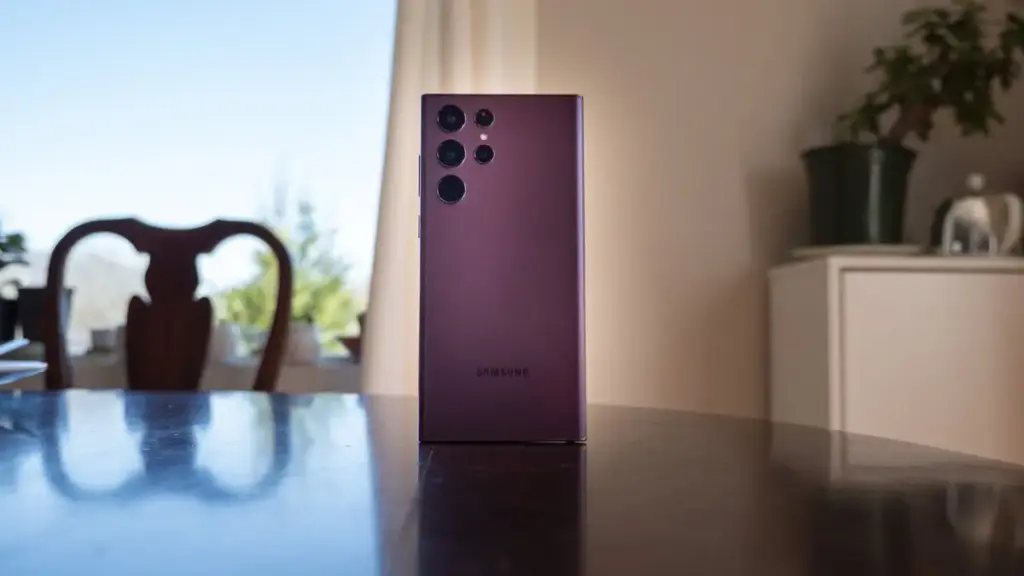
As Samsung prepares for the launch of its next generation of devices, the shadow of the GOS fine looms large. The company has already begun changing its approach, offering more robust cooling solutions in its recent flagship models, such as significantly larger vapor chambers in the Galaxy S24 Ultra. These hardware-level improvements are a direct response to the realization that software throttling is not a sustainable or legally sound substitute for effective thermal engineering.
The upcoming Galaxy S25 Ultra is expected to push gaming performance even further, potentially utilizing new chipsets designed to handle intensive graphical tasks with greater efficiency. However, the lesson from the FTC is clear: no matter how powerful the hardware becomes, the software must remain transparent.
For the consumers who purchased the Galaxy S21, S22, or Tab S8 under the impression they were receiving the pinnacle of mobile gaming performance, the $15 million fine offers a sense of validation. While the fine itself may be a small fraction of Samsung’s annual revenue, the reputational cost and the precedent set by the South Korean regulators will likely influence the company’s engineering and marketing strategies for years to come. The mobile industry is now on notice that "optimization" must mean improvement, not a hidden compromise.
 Mobile Device Management (MDM) & Mobile OS
Early Black Friday Deals Bring Significant Savings to the Oura Ring 5 as the Wearable Market Shifts Toward Discreet Health Monitoring
The landscape of wearable technology has undergone a significant transformation over the...
 Mobile Device Management (MDM) & Mobile OS
Samsung Reportedly Developing ‘Galaxy Studio’ Over-Ear Headphones to Challenge Apple and Sony
The landscape of the premium audio market has long been defined by...
 Mobile Device Management (MDM) & Mobile OS
Google Unveils Connected Apps Platform Preview, Bridging the Gap Between Gemini AI and Third-Party Services
In a significant move to transform its artificial intelligence from a conversational...