
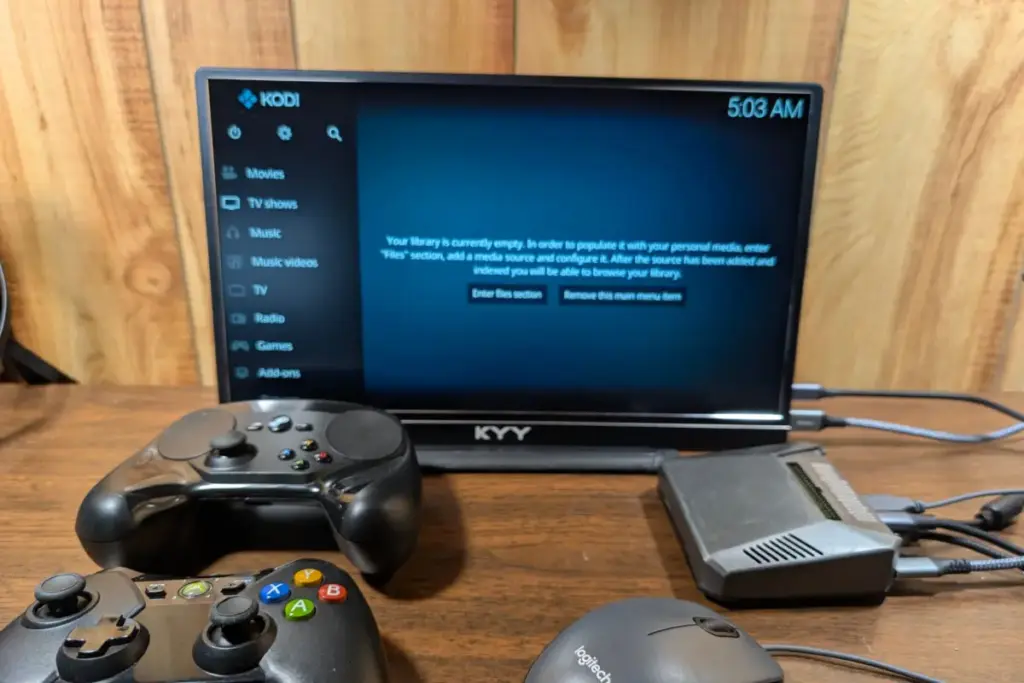
In the corners of many modern households, there exists a quiet graveyard of high-quality engineering. It is found in the bulky but vibrant monitors of the late 2000s, the heavy, wood-paneled speakers that once anchored living rooms, and the high-definition televisions that, while physically pristine, have been rendered "dumb" by the relentless march of software updates. These devices often share a common tragedy: their mechanical and electrical components remain perfectly functional, yet they have been outpaced by the digital ecosystems they were designed to inhabit.
The conventional response to this technological aging is a trip to the local electronics retailer to purchase the latest "smart" iteration of the same device. These modern replacements come with the promise of seamless connectivity and integrated artificial intelligence. However, as many consumers are discovering, these upgrades often come with a hidden cost that extends far beyond the price tag. Modern smart devices are increasingly characterized by software bloat, vendor lock-in, intrusive advertising, and mandatory account requirements that strip the user of autonomy.
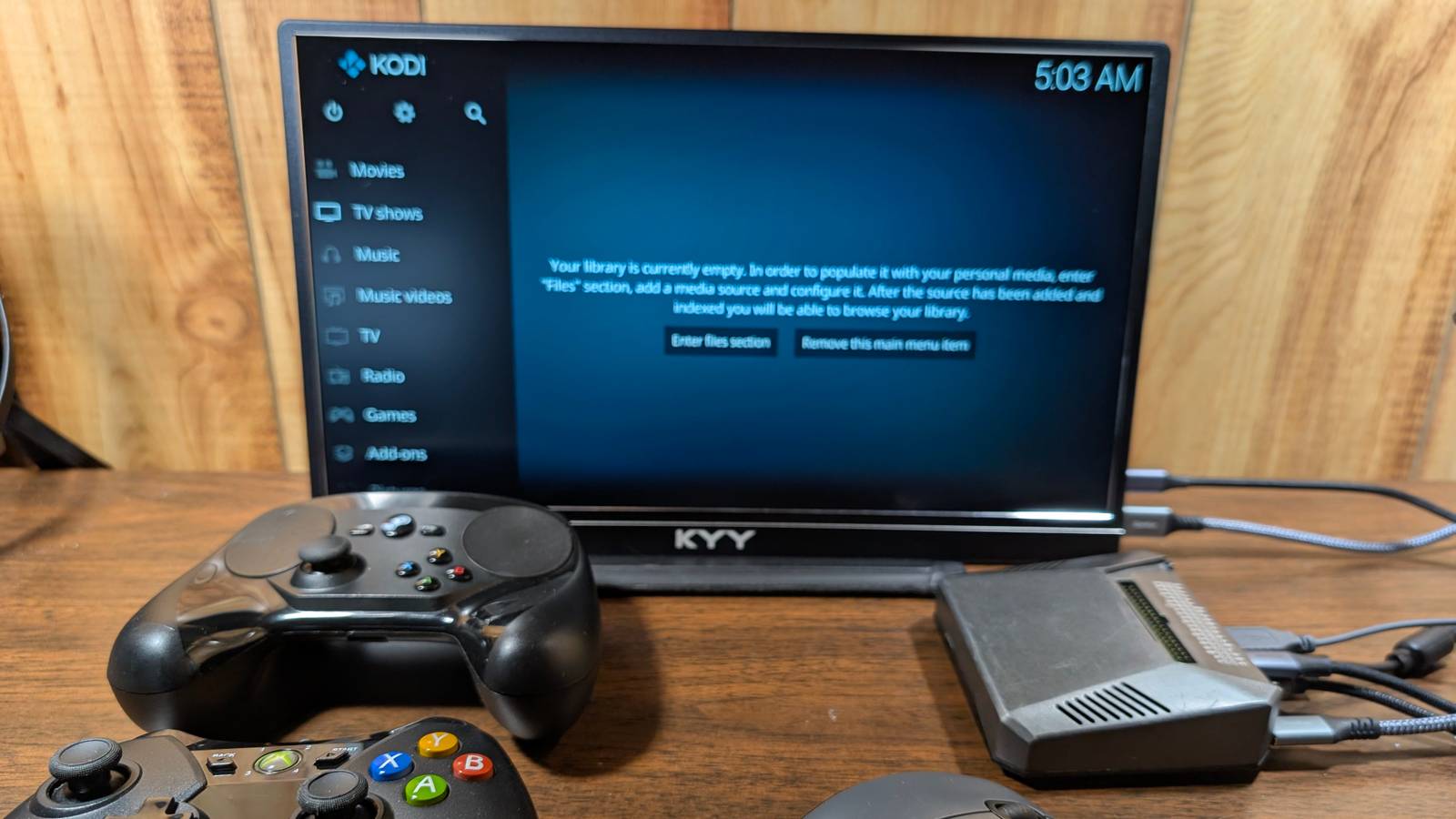
Fortunately, a movement is growing among tech-conscious consumers to bypass this cycle of planned obsolescence. By using the Raspberry Pi—a versatile, credit-card-sized computer—it is becoming increasingly possible to breathe new life into vintage hardware. This approach allows users to create bespoke smart devices that offer modern functionality without the ethical and technical compromises inherent in off-the-shelf "smart" products.
What does a Pi do for old gadgets?
To understand how a Raspberry Pi can revitalize an aging gadget, one must first understand the fundamental architecture of modern consumer electronics. Almost every "smart" device on the market today is essentially a traditional appliance wrapped around a small, dedicated computer. In a smart refrigerator, that computer might be a rudimentary controller; in a high-end smart TV, it is often a processor comparable in power to those found in mid-range smartphones.
The Raspberry Pi serves as a modular replacement for these internal "brains." Because the Pi is a fully realized computer running a variety of Linux-based operating systems, it can handle the networking, processing, and interface tasks that the original hardware was never designed to manage. This transformation does not require a massive financial investment or advanced engineering skills. The Raspberry Pi lineup offers a spectrum of power and price points tailored to different needs.

The Pi becomes the brain
The versatility of the Raspberry Pi hardware family is key to its role as a universal "brain." For simpler tasks, such as adding internet connectivity to a refrigerator or creating a notification system for an old washing machine, the Raspberry Pi Zero 2 W provides more than enough processing power in a form factor smaller than a stick of gum. For more demanding applications, such as driving a 4K media center or managing a complex home automation hub, the flagship Raspberry Pi 5 offers the performance necessary to handle high-bitrate video and multi-threaded applications.
These small boards provide the essential bridge between the physical world and the digital one. They offer built-in Wi-Fi and Bluetooth connectivity, along with a wide array of General Purpose Input/Output (GPIO) pins that can be used to sense button presses or trigger relays in old hardware. This allows a hobbyist to take a device that was built before the era of the smartphone and give it the ability to communicate with a modern home network.
 Tech Tutorials & How-To Guides
Haiku OS R1/Beta 6: A Compelling Case for Breathing New Life into Aging Hardware
For years, the standard recommendation for any computer deemed too slow for...
 Tech Tutorials & How-To Guides
Milwaukee Tool’s M12 Series Redefines the Balance of Power and Portability for Professional and Home Applications
In the rapidly evolving landscape of cordless power tools, the long-standing industry...
 Tech Tutorials & How-To Guides
The Digital Perimeter: How Samsung’s Evolving Privacy Suite Secures Personal Data During Device Sharing
The modern smartphone is no longer just a communication tool; it has...







