
The evolution of artificial intelligence has moved with a velocity rarely seen in the history of computing. For the past eighteen months, the conversation across boardrooms and IT departments has been dominated by the themes of discovery and adoption—the initial "wow" factor of generative models and the scramble to integrate basic tools into daily workflows. However, according to Microsoft, that era of tentative exploration has officially ended. In a symbolic and strategic shift, the company has rebranded its global "Microsoft AI Tour" to the "Microsoft Frontier Tour," signaling a transition from the adoption phase to a more rigorous, implementation-heavy era of putting AI to work in the real world.
The name change, unveiled during a high-profile event in London, is more than a mere marketing adjustment. It reflects a new reality where the "frontier" is no longer the technology itself, but the challenge of applying it safely, effectively, and at scale. Yet, as Microsoft executives took to the stage to outline this new phase, they acknowledged a significant hurdle standing in the way of progress. This new frontier is fraught with a deeply human problem: a pervasive and multifaceted crisis of confidence that threatens to stall the very revolution the technology promises.
According to Microsoft’s leadership and its latest research, this confidence gap is manifesting at every level of the corporate hierarchy. It is a crisis that encompasses the technical, the economic, and the deeply personal, ranging from the fear of job displacement to skepticism regarding whether AI can truly deliver a meaningful return on investment.
The Great Divide: Leadership Optimism vs. Employee Anxiety
The backdrop for the Frontier Tour was the release of Microsoft’s AI Diffusion Report, a comprehensive study that highlights a growing "workforce rupture" within British businesses. The data paints a picture of two very different versions of the future. On one hand, business leaders are overwhelmingly bullish. The report revealed that eight-in-ten UK leaders are confident that the country can establish itself as a global leader in AI technology. These executives see the potential for massive productivity gains, streamlined operations, and a competitive edge on the world stage.
However, this optimism is not shared by the people tasked with using the tools. Only half as many employees—roughly 40%—share the confidence of their bosses regarding the UK’s AI future. This stark divide suggests that while those at the top are looking at the macro-economic potential, those on the front lines are grappling with the micro-consequences of the technology.
The reasons for this low employee confidence are varied but consistently rooted in personal and professional security. Many workers expressed concerns that the rapid deployment of AI has already begun to erode their sense of job security. There is a lingering fear that as AI models become more capable of handling complex cognitive tasks, the human role will be marginalized or eliminated entirely. Furthermore, the report highlighted a specific concern regarding the next generation of the workforce. Employees expressed worry that AI will limit opportunities for younger workers by automating the entry-level roles that have traditionally served as the primary training grounds for new talent.
The Human Element in the Age of Autonomy
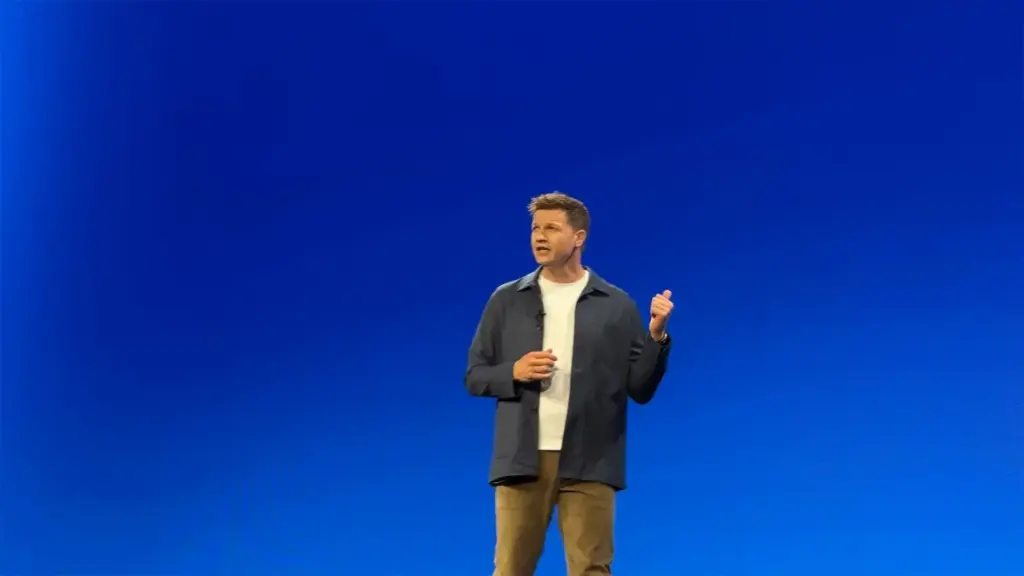
Microsoft CEO Satya Nadella addressed these concerns directly during his keynote, emphasizing that the success of AI is inextricably linked to the "human element." For Nadella, the technical capabilities of a model are secondary to the way humans interact with and control it.
“How do you put the human in the loop?” Nadella asked the audience. “How do you really ensure that, ultimately, that sense of empowerment is not lost?”
 Helpdesk & IT Service Management (ITSM)
The AI Productivity Paradox: Why Faster Coding is Failing to Accelerate the Software Development Lifecycle
The integration of artificial intelligence into the software development process was heralded...
 Helpdesk & IT Service Management (ITSM)
Keeper Security Hits Major Milestone with 100,000 Enterprise Customers Amid Rapid Growth in Identity Security Market
In a significant validation of the growing demand for unified identity and...
 Helpdesk & IT Service Management (ITSM)
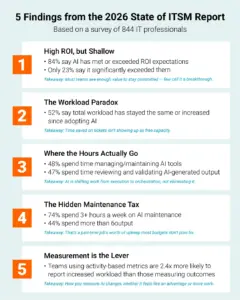
The Hidden Complexity of Efficiency: SolarWinds Report Reveals the Dual Nature of AI in the Modern Service Desk
The promise of artificial intelligence within Information Technology Service Management (ITSM) has...







