
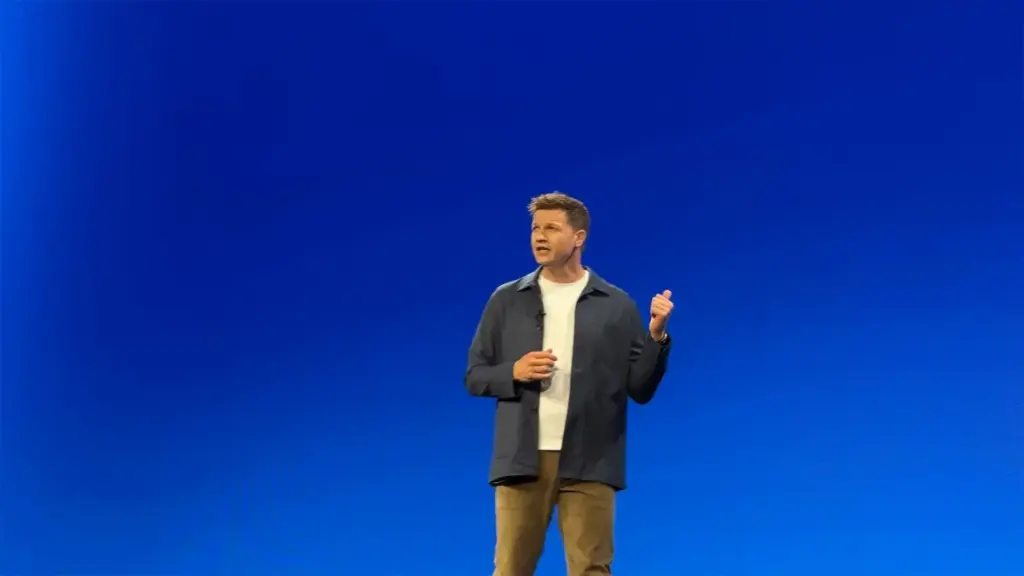
Nadella’s comments point to a central tension in the current AI landscape. As models become more autonomous, there is a risk that workers will feel like "ghosts in the machine," merely supervising a process they no longer understand or influence. Microsoft’s strategy, as outlined by Nadella, is to frame AI not as a replacement for human agency, but as a tool for empowerment. The goal is to design systems where the human remains the ultimate decision-maker, ensuring that technology serves the person rather than the person serving the technology.
This philosophy is particularly relevant as the industry moves toward "AI agents"—software entities capable of performing multi-step tasks with a degree of independence. While these agents offer the promise of unprecedented efficiency, they also exacerbate fears of losing control. Nadella’s "human-in-the-loop" framework is intended to serve as a safeguard against this sense of displacement, though the challenge remains in convincing a skeptical workforce that this balance can be maintained in practice.
Building Trust Through Infrastructure and Partnership
The Frontier Tour also served as a platform for Microsoft to reiterate its commitment to the UK as a primary hub for AI development. The company has made substantial financial and structural commitments to the region, including massive investments in local data centers to ensure data residency and low-latency performance for British enterprises.
Beyond hardware, Microsoft has leaned heavily into public sector partnerships, most notably with the NHS. By integrating AI into the nation’s healthcare system, Microsoft is attempting to demonstrate the "pro-social" potential of the technology. The logic is that if AI can be shown to improve the delivery of critical public services, it will help build the broader social trust necessary for widespread adoption in the private sector.
Darren Hardman, CEO of Microsoft UK and Ireland, used his segment of the keynote to bridge the gap between technological potential and tangible human benefit. He acknowledged that the current challenge is turning the abstract "potential" of AI into improvements that people can actually feel—whether that is in the quality of their daily work or the efficiency of the services they consume.
“Our role at Microsoft is to bring intelligence and trust together,” Hardman told the delegates. “AI that puts your organization’s knowledge to work, helping people achieve more, while providing the safeguards and visibility to stay in control.”
Governance, Observability, and the Path to Control
A recurring theme throughout the event was the concept of "observability." In the context of AI, observability refers to the ability of a user or a leader to see, understand, and audit exactly what an AI system is doing and why. This has become a critical point of contention as businesses move away from simple chatbots toward complex AI agents that can access sensitive data and take actions across different software platforms.
Hardman argued that confidence cannot exist without control, and control cannot exist without visibility. For a business leader, the question of AI adoption often boils down to a simple concern: “Do I understand and remain in control of what this system is doing?”
 Helpdesk & IT Service Management (ITSM)
Rethinking K-12 IT Staffing: Why Traditional Ratios Fail Modern School Districts
For years, school district administrators and school boards have searched for a...
 Helpdesk & IT Service Management (ITSM)
Microsoft Leadership Calls for Stricter AI Regulation and Global Safety Standards Led by the United Kingdom
In a series of high-profile statements that signal a significant shift in...
 Helpdesk & IT Service Management (ITSM)
OpenSSF and Tech Giants Call for Sustainable Funding to Secure Global Software Supply Chain
The OpenSSF (Open Source Security Foundation) Governing Board has issued an urgent...







