
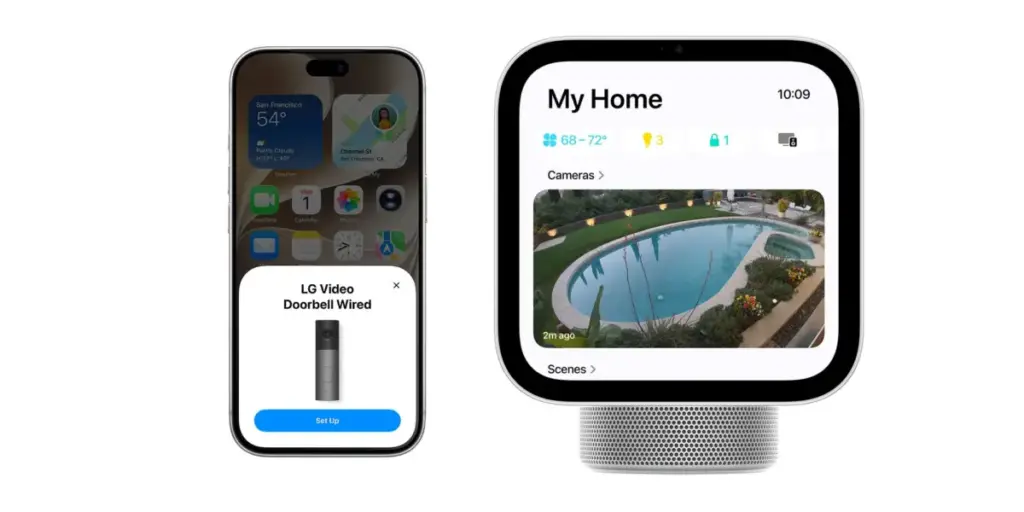
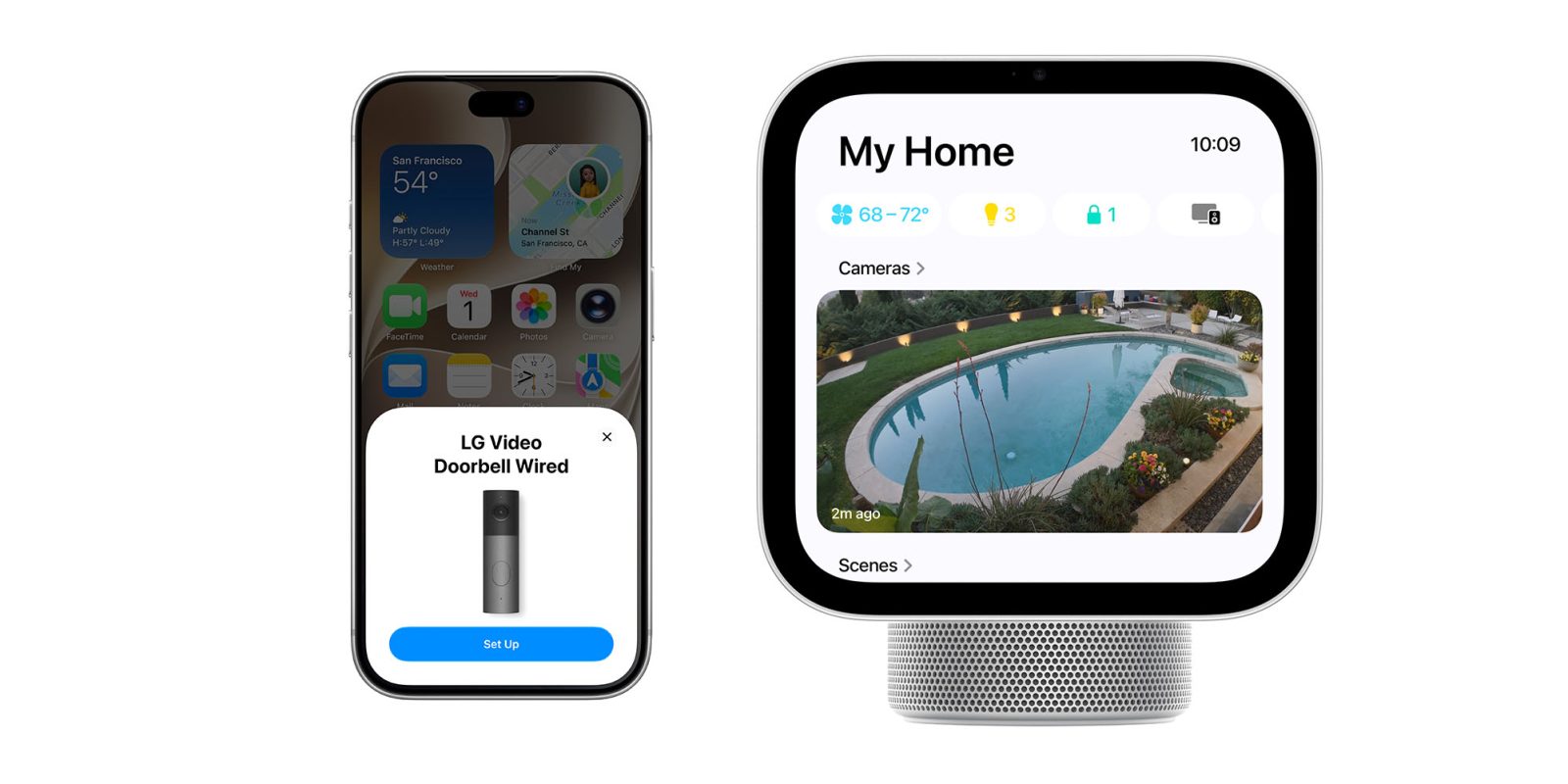
For those who have spent the last decade—or in some cases, several decades—fine-tuning their living spaces with automated lighting, networked thermostats, and voice-activated security systems, it is easy to lose sight of a fundamental truth: the smart home remains an intimidating frontier for the average consumer. Within the "tech bubble," enthusiasts often forget that what they consider a minor configuration hurdle is, for many, an insurmountable barrier to entry. The recent unveiling of the Apple Home Collection, developed in strategic partnership with industry stalwarts LG and Schneider Electric, has been met with a degree of skepticism from the tech-savvy community. Critics point to the premium pricing and the lack of revolutionary new product categories as reasons to dismiss the initiative. However, such a perspective may overlook the very problem Apple is attempting to solve: the "friction" of the smart home experience.
The evolution of home automation has been a long and often arduous journey. In the early days, creating a "smart" environment was a hobby reserved for those with a penchant for soldering irons and a working knowledge of programming. Technologies like X10, an industry standard for communication among electronic devices, laid the groundwork but required a level of technical proficiency that excluded the general public. These systems were often temperamental, relying on power-line wiring that was prone to interference and required significant manual troubleshooting.
As the industry moved into the smartphone era, the promise of the smart home began to shift. The introduction of wireless protocols and mobile applications meant that, for the first time, a user could control their lights or security cameras from a device in their pocket. This was undoubtedly a major step forward in accessibility, yet it introduced a new set of complications. Early adopters found themselves managing a fragmented ecosystem of "walled gardens." Every manufacturer required its own proprietary companion app, its own account registration, and its own unique setup process. For a user to simply turn on a light and check a security camera, they might have to navigate three different interfaces, none of which communicated with the others.
Apple’s initial foray into solving this fragmentation was HomeKit. Launched with the vision of a unified ecosystem, HomeKit promised that any device bearing its label would be compatible with Apple’s Home app, allowing for centralized control and the convenience of Siri voice commands. It was a noble goal, and for many, it significantly improved the user experience. However, the reality of HomeKit often fell short of its frictionless promise. Even with the HomeKit certification, many devices still required initial configuration through a third-party manufacturer’s app before they would appear in the Apple Home environment. For the average person, the process of bridging these devices, managing firmware updates, and ensuring stable network connectivity often felt less like enjoying a modern convenience and more like acting as an unpaid network engineer.
The commercial landscape reflected these challenges. While Apple focused on a tightly controlled, high-security ecosystem, competitors like Amazon Alexa and Google Home gained significant market share by prioritizing broad compatibility and lower price points. While these ecosystems were more successful in terms of sheer volume, they did not necessarily solve the underlying complexity of the setup process. They simply made the entry point cheaper.
 Smart Home & IoT Solutions
Abode Expands Home Security Perimeter with New Apple Home-Compatible Garage and Outdoor Sensors
In the rapidly evolving landscape of do-it-yourself home security, the focus has...
 Smart Home & IoT Solutions
Apple to Unveil ‘HomeView’ Smart Hub at ‘Welcome Home’ Event as Part of Major Smart Home Expansion
Apple is preparing to significantly escalate its presence in the domestic technology...
 Smart Home & IoT Solutions
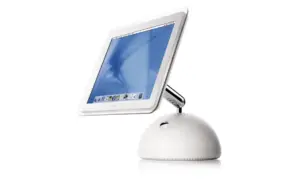
Apple Poised to Enter Smart Home Display Market with New Hardware Inspired by Iconic iMac G4 Design
Apple is reportedly less than two weeks away from unveiling its most...







