
The arrival of the Matter and Thread standards was widely hailed as the "holy grail" of smart home technology. By creating a universal language for devices to communicate across different platforms, Matter aimed to ensure that a lightbulb would work just as well with an iPhone as it would with an Android device or a smart speaker. Thread, a low-power mesh networking protocol, promised to improve the reliability and speed of these connections. While these standards have undoubtedly helped bridge the gap between competing ecosystems and simplified the backend for manufacturers, they have not yet fully addressed the "human element" of the setup. Even a Matter-enabled device often requires the user to navigate menus, scan codes, and troubleshoot discovery issues—steps that remain a deterrent for the "normie" consumer who simply wants their purchase to work out of the box.
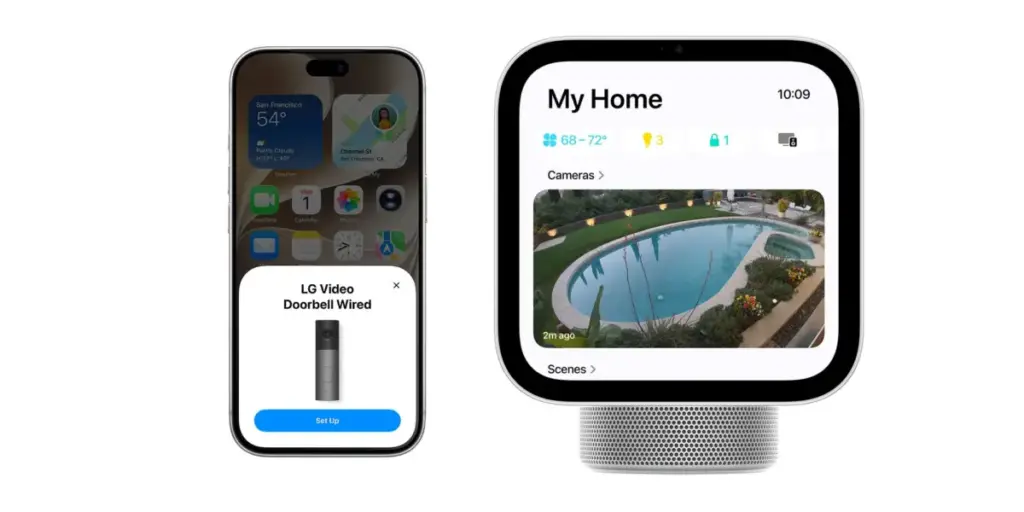
This brings us to the Apple Home Collection. To a seasoned tech enthusiast, the collection might seem underwhelming. It features familiar devices—doorbells, switches, and cameras—that are already available from numerous other brands at lower prices. The skepticism from the "geek" community is understandable; if one is comfortable navigating network settings and managing multiple apps, paying a premium for an Apple-branded LG doorbell or a Schneider switch seems unnecessary.
However, the value proposition of the Apple Home Collection is not found in the hardware’s specifications, but in the radical simplification of the user experience. Apple appears to be applying the same philosophy to the smart home that it applied to wireless audio with the AirPods. Before AirPods, pairing Bluetooth headphones was often a clunky process involving hidden menus and "pairing modes." Apple replaced that friction with a seamless, proximity-based setup: open the case near an iPhone, and the device is instantly recognized and configured.
Early hands-on reports suggest that the Apple Home Collection brings this exact level of "magic" to home automation. Ajay Kumar, reporting for CNET, described a demonstration where an Apple representative paired and registered a new smart home device almost instantly. The process was so seamless that it occurred during a casual conversation, without the representative needing to focus intently on the screen or navigate complex setup trees. This "HomeView" experience, where the device is recognized as soon as it is brought near the iPhone or a HomePod, represents a fundamental shift in how people interact with home technology.

For a technology enthusiast, a five-minute setup process is a minor task. For a "normal" consumer, those five minutes—if they involve frustration, error messages, or the need to download additional software—are a reason to return the product to the store. By eliminating the "onboarding tax," Apple is targeting the vast majority of the population that likes the idea of a smart home but has been rightfully put off by the perceived complexity.
 Smart Home & IoT Solutions
Apple’s Smart Home Expansion Revealed: New ‘Proximity Control’ Feature Set to Debut with LG-Partnered Accessories
As Apple prepares for its highly anticipated "Welcome Home" special event scheduled...
 Smart Home & IoT Solutions
Apple now sells Aqara Adaptive Temperature thermostat and seven more accessories
The inclusion of these products in the Apple Store is more than...
 Smart Home & IoT Solutions
Apple Poised to Enter Smart Home Display Market with New Hardware Inspired by Iconic iMac G4 Design
Apple is reportedly less than two weeks away from unveiling its most...







