
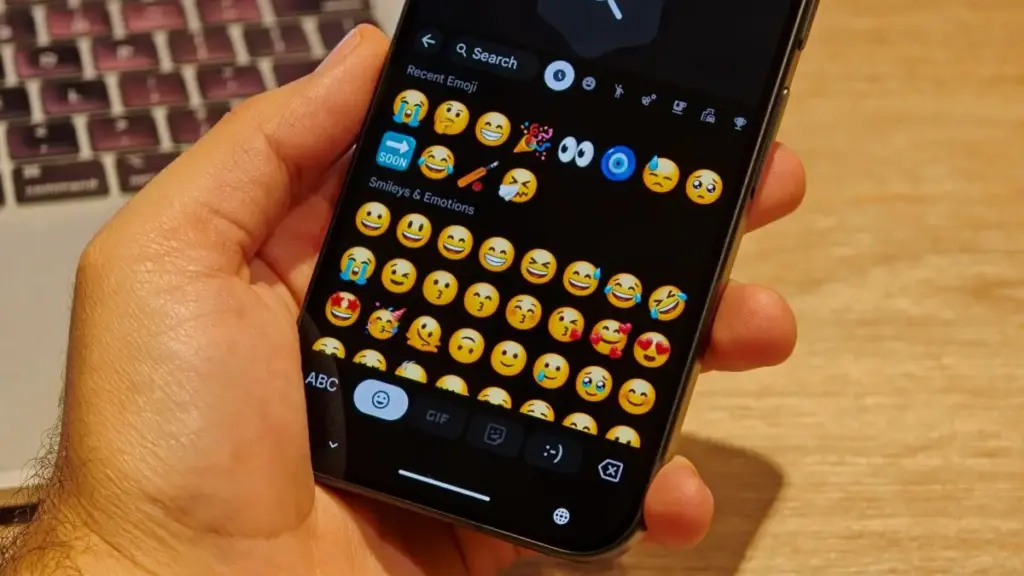
The visual landscape of the Android operating system is undergoing one of its most significant aesthetic shifts in years. Following the high-profile launch of the Pixel 11 series and the introduction of Android 17, Google appears to be moving swiftly to ensure its updated design language reaches a broader segment of its user base. The centerpiece of this visual overhaul is the Noto 3D emoji set, a library of icons designed to bring depth, texture, and a sense of modern vibrancy to digital communication. While these redesigned emojis were initially positioned as a headline feature for Google’s latest flagship hardware, new reports suggest that the company has begun a gradual rollout to older devices, signaling an end to the era of the "flat" emoji aesthetic on Android.
For years, the Android community has maintained a complicated relationship with Google’s emoji designs. From the beloved, whimsical "blob" emojis of the mid-2010s to the more standardized, flat Noto designs that followed, the platform has often struggled to find a balance between characterful expression and professional consistency. In recent years, many users have criticized the standard Android emoji set for being overly simplistic or "bland," particularly when compared to the glossier, more detailed versions found on Apple’s iOS or the highly stylized offerings from competitors like Samsung. The introduction of the Noto 3D design language is Google’s direct response to this feedback, aiming to provide a more expressive and premium-feeling experience across its entire software ecosystem.
The first indications that this new aesthetic was breaking free from its exclusivity on the Pixel 11 series emerged from the user community. A report recently surfaced on Reddit where a Pixel 6a owner noted that their device had suddenly transitioned to the new 3D emoji style. This discovery is particularly notable because the Pixel 6a, while still a capable and popular device, is several generations old. The appearance of the Noto 3D set on such hardware suggests that Google is not viewing these assets as a hardware-locked luxury, but rather as a core component of the modern Android identity that should be accessible to as many users as possible.
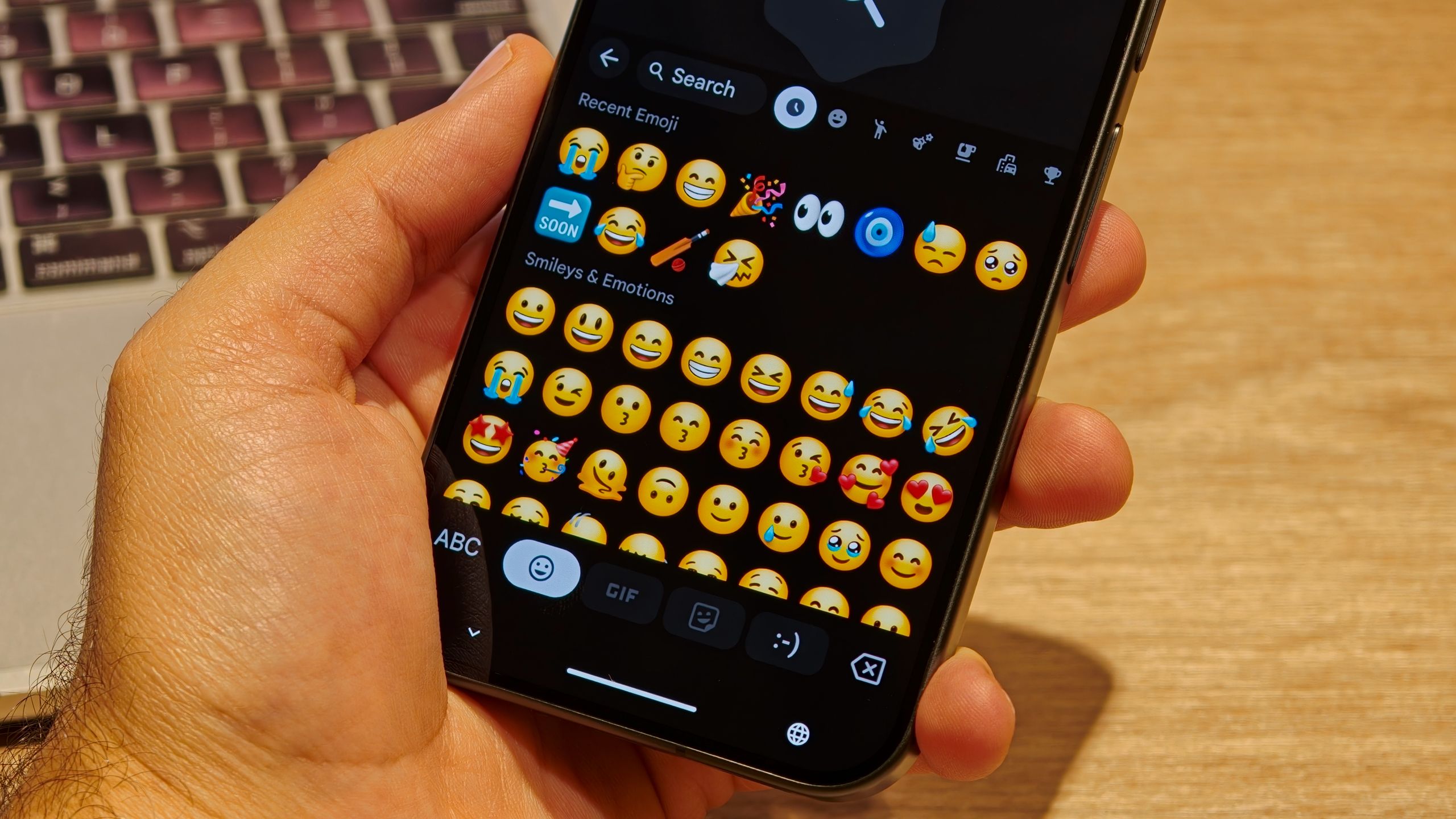
The user who spotted the change indicated that the update did not appear to be tied to a specific version of Gboard, Google’s popular keyboard application. Instead, the transition seemed to occur following a system-level update. This distinction is important in the context of how Android handles its visual assets. Emojis on Android are typically tied to the system font files, meaning that a change in emoji design often requires an update to the operating system’s core files rather than a simple app update through the Google Play Store. The fact that an older device like the Pixel 6a is receiving these updates suggests that Google is leveraging its modern update delivery systems—likely through Google Play System Updates or a monthly security patch—to refresh the visual interface of older phones without requiring a full version upgrade to Android 17.
 Mobile Device Management (MDM) & Mobile OS
Google Expands Certified Refurbished Program to Include Pixel 9 Series with Significant Price Cuts
Google has officially expanded its hardware offerings in the United States by...
 Mobile Device Management (MDM) & Mobile OS
The Growing Pains of "Geminification": Pixel Users Express Frustration as Google Assistant Fades Away
The landscape of mobile artificial intelligence underwent a seismic shift this past...
 Mobile Device Management (MDM) & Mobile OS
Peacock Unveils Major Mobile App Redesign Featuring Vertical Video, AI Search, and Interactive Fan Hubs
In an era where streaming platforms are no longer just competing for...







