
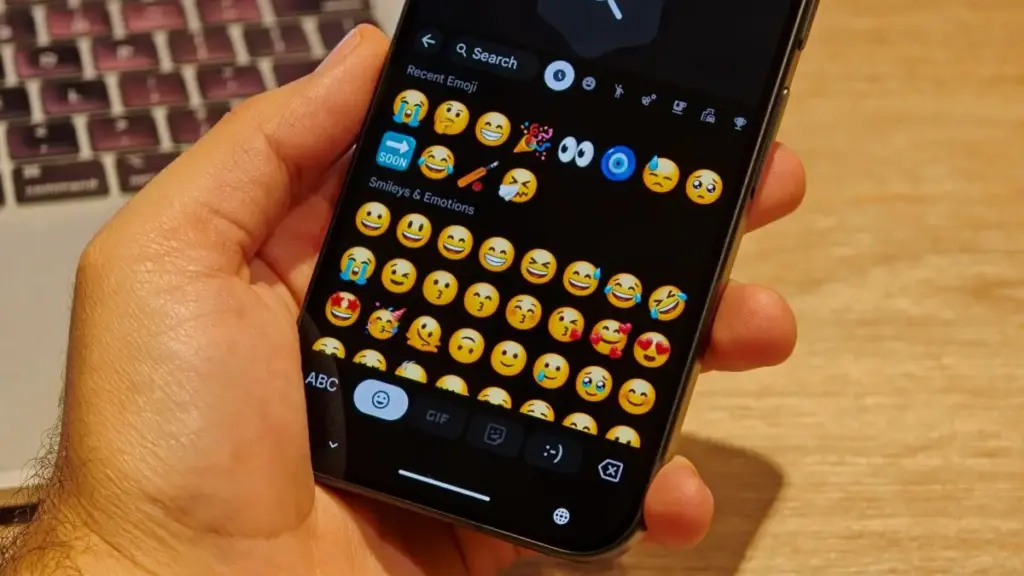
The visual landscape of the Android operating system is undergoing one of its most significant aesthetic shifts in years. Following the high-profile launch of the Pixel 11 series and the introduction of Android 17, Google appears to be moving swiftly to ensure its updated design language reaches a broader segment of its user base. The centerpiece of this visual overhaul is the Noto 3D emoji set, a library of icons designed to bring depth, texture, and a sense of modern vibrancy to digital communication. While these redesigned emojis were initially positioned as a headline feature for Google’s latest flagship hardware, new reports suggest that the company has begun a gradual rollout to older devices, signaling an end to the era of the "flat" emoji aesthetic on Android.
For years, the Android community has maintained a complicated relationship with Google’s emoji designs. From the beloved, whimsical "blob" emojis of the mid-2010s to the more standardized, flat Noto designs that followed, the platform has often struggled to find a balance between characterful expression and professional consistency. In recent years, many users have criticized the standard Android emoji set for being overly simplistic or "bland," particularly when compared to the glossier, more detailed versions found on Apple’s iOS or the highly stylized offerings from competitors like Samsung. The introduction of the Noto 3D design language is Google’s direct response to this feedback, aiming to provide a more expressive and premium-feeling experience across its entire software ecosystem.
The first indications that this new aesthetic was breaking free from its exclusivity on the Pixel 11 series emerged from the user community. A report recently surfaced on Reddit where a Pixel 6a owner noted that their device had suddenly transitioned to the new 3D emoji style. This discovery is particularly notable because the Pixel 6a, while still a capable and popular device, is several generations old. The appearance of the Noto 3D set on such hardware suggests that Google is not viewing these assets as a hardware-locked luxury, but rather as a core component of the modern Android identity that should be accessible to as many users as possible.
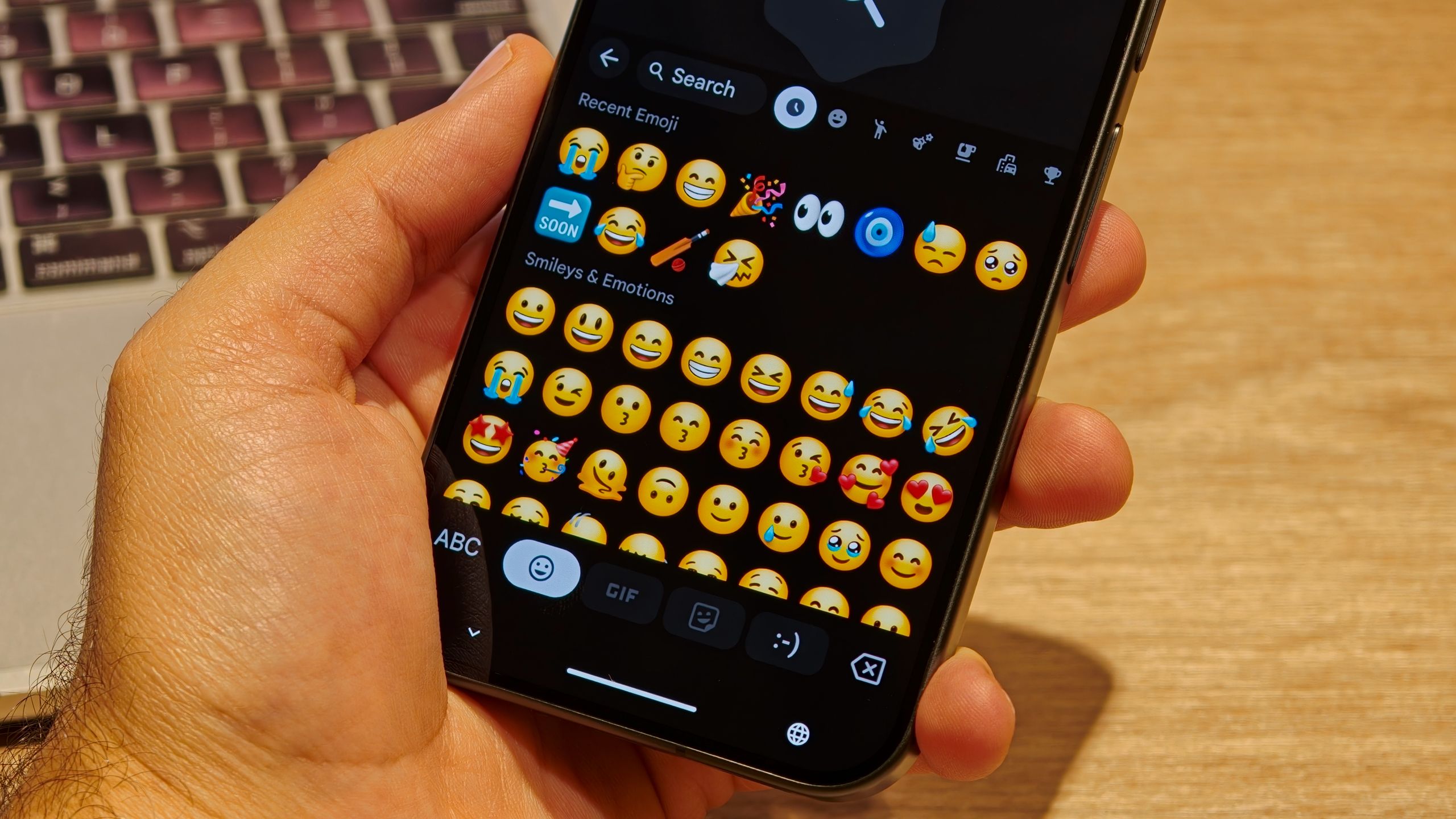
The user who spotted the change indicated that the update did not appear to be tied to a specific version of Gboard, Google’s popular keyboard application. Instead, the transition seemed to occur following a system-level update. This distinction is important in the context of how Android handles its visual assets. Emojis on Android are typically tied to the system font files, meaning that a change in emoji design often requires an update to the operating system’s core files rather than a simple app update through the Google Play Store. The fact that an older device like the Pixel 6a is receiving these updates suggests that Google is leveraging its modern update delivery systems—likely through Google Play System Updates or a monthly security patch—to refresh the visual interface of older phones without requiring a full version upgrade to Android 17.
The Noto 3D emojis represent a departure from the "Material You" minimalism that has defined Google’s software for the last several iterations of Android. While the previous designs focused on clean lines and solid colors to match the flat aesthetic of the system UI, the 3D variants embrace gradients, soft shadows, and a sense of physical volume. According to Google, this added dimension is intended to make the icons more effective at conveying nuanced emotions. By simulating light and shadow, the emojis gain a tactile quality that makes them feel more integrated into the high-resolution displays of modern smartphones.
The rollout, however, appears to be following a staggered and somewhat unpredictable path, which is common for major Google software deployments. While the Pixel 6a has been confirmed to show the new designs in some instances, other, more recent devices are still waiting. Tests conducted on the Pixel 9a and the Pixel 9 Pro—both of which are running the latest Android 17 software—revealed that the 3D emojis had not yet appeared, even after the devices were updated with the most recent Google Play system patches. This discrepancy highlights the "server-side" nature of many Google feature launches, where the company toggles features for specific groups of users or regions to monitor for stability before committing to a global release.
This gradual expansion is part of a much larger strategy that Google has previously articulated. The company does not intend for the Noto 3D aesthetic to remain a Pixel-only feature. Google has already confirmed that it is working with a wide array of hardware partners to bring these designs to the broader Android ecosystem. Manufacturers including Nothing, Lenovo, Xiaomi, Oppo, OnePlus, Vivo, Honor, and Motorola are all slated to integrate the new emoji designs into their respective software skins. This move is significant because it suggests a push toward visual parity across the fragmented Android landscape. In the past, a user on a Xiaomi phone might see a completely different emoji style than a user on a Motorola phone, leading to "translation" issues where the emotional intent of a message might be lost. By standardizing the Noto 3D set across these major brands, Google is attempting to create a more unified visual language for the billions of people who use Android.
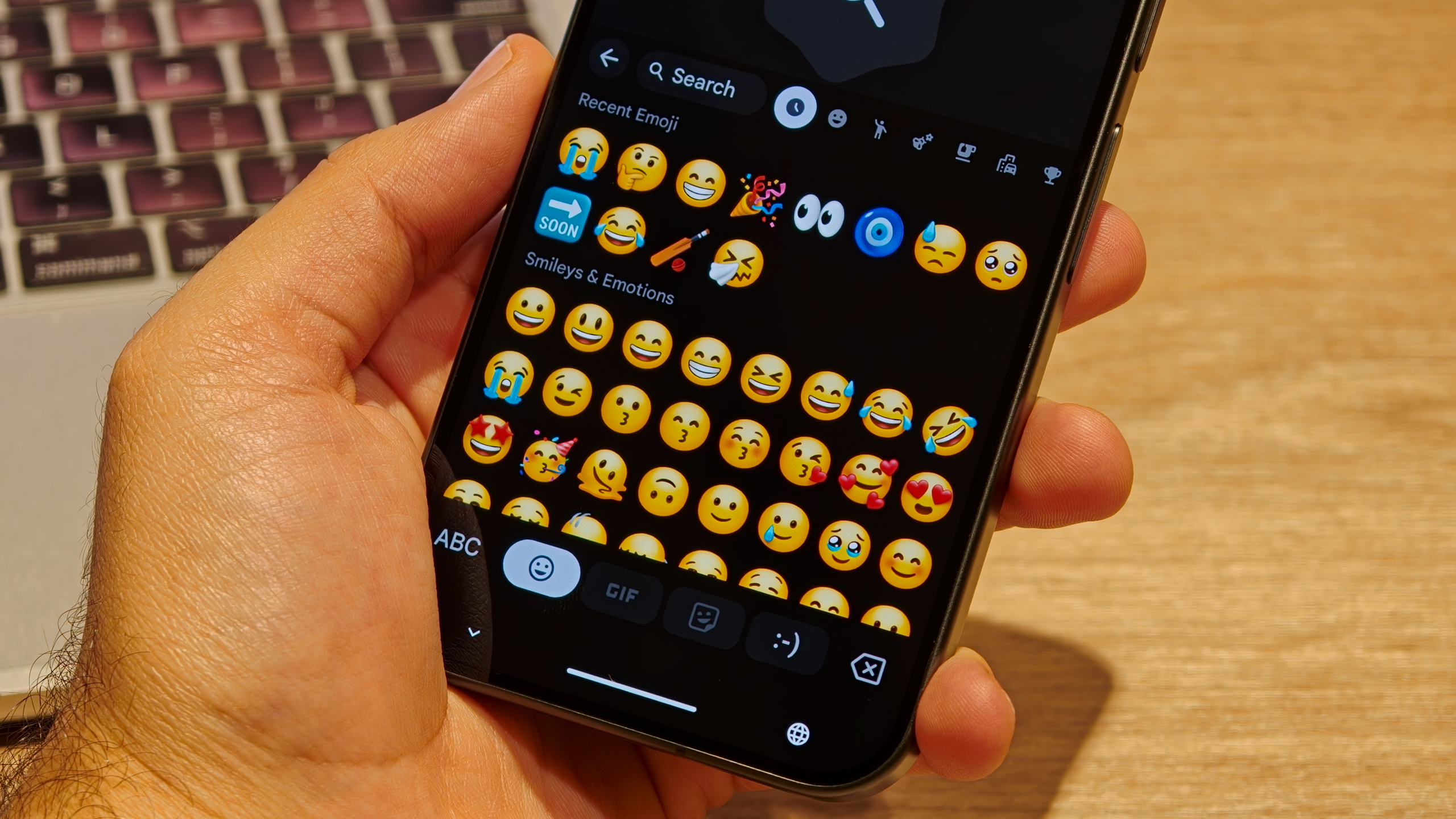
The technical underpinnings of this shift are also worth noting. The "Noto" project itself—short for "No Tofu"—was created by Google with the ambitious goal of developing a font family that covers every character in the Unicode standard, ensuring that users never see the empty "tofu" boxes that appear when a device cannot render a specific character. The evolution of Noto into a 3D space is a testament to the increasing graphical power of mobile devices. Even mid-range phones from a few years ago now possess the GPU capabilities to render these more complex, gradient-heavy icons without any impact on system performance or battery life.
For the average user, the arrival of Noto 3D emojis is more than just a minor cosmetic tweak; it is a refresh of the tools they use most frequently for digital interaction. In an era where a significant portion of human communication happens through short-form text and messaging apps, the "look and feel" of an emoji can influence the tone of a conversation. By moving away from the flat, sometimes clinical look of the previous generation, Google is injecting a sense of playfulness and modernity back into the platform.
As the rollout continues, Pixel owners are encouraged to keep their devices updated, particularly focusing on the Google Play System Updates found within the security and privacy settings. While there is no manual way to "force" the new emojis to appear, their presence on older hardware like the Pixel 6a is a strong indicator that the wait for the rest of the Pixel lineup—and eventually the wider Android world—will not be long.
The transition to Noto 3D marks a milestone in Google’s ongoing effort to refine the Android user experience. It reflects a company that is listening to user feedback regarding the "plainness" of its interface and is willing to invest the resources necessary to bring a high-end visual experience to users, regardless of whether they are holding the latest flagship or a trusted device from several years ago. As Android 17 continues to mature and the Pixel 11 finds its way into more hands, the 3D emoji set will likely become one of the most recognizable features of this new era of Google software, bridging the gap between functional communication and expressive art.
 Mobile Device Management (MDM) & Mobile OS
Nothing OS 5.0 Brings Android 17 to Phone 3a and 4a Series with Enhanced Camera Features and AI Tools
The London-based tech disruptor Nothing has officially commenced the next phase of...
 Mobile Device Management (MDM) & Mobile OS
Samsung Announces Shutdown of Samsung Sound App as Part of Broader Ecosystem Consolidation
Samsung is continuing its aggressive efforts to streamline its mobile and smart...
 Mobile Device Management (MDM) & Mobile OS
Sony WH-1000XM4 Prices Plunge to Record Lows as Black Friday Sales Begin
The annual Black Friday shopping season has officially arrived, bringing with it...







