
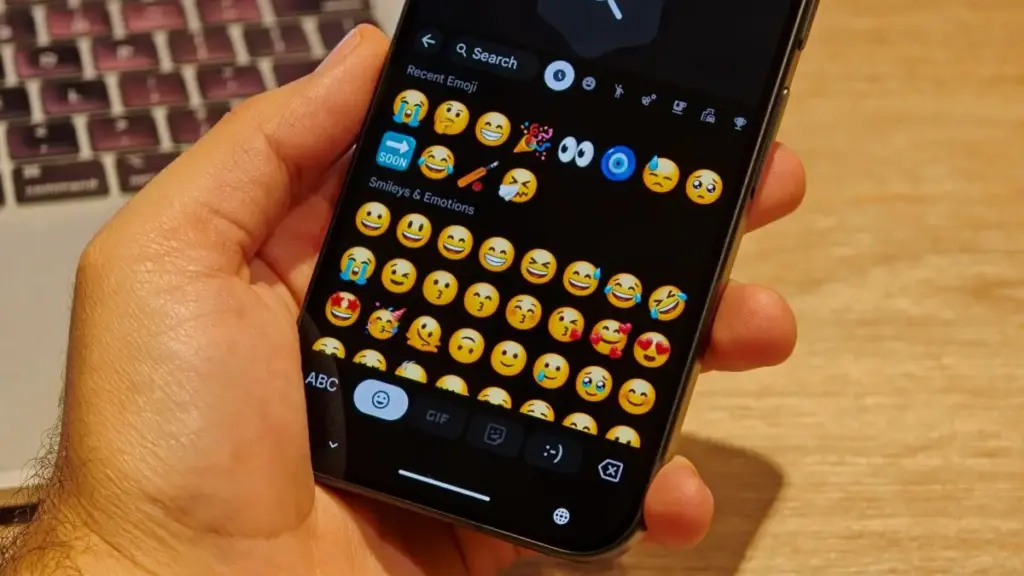
For the average user, the arrival of Noto 3D emojis is more than just a minor cosmetic tweak; it is a refresh of the tools they use most frequently for digital interaction. In an era where a significant portion of human communication happens through short-form text and messaging apps, the "look and feel" of an emoji can influence the tone of a conversation. By moving away from the flat, sometimes clinical look of the previous generation, Google is injecting a sense of playfulness and modernity back into the platform.
As the rollout continues, Pixel owners are encouraged to keep their devices updated, particularly focusing on the Google Play System Updates found within the security and privacy settings. While there is no manual way to "force" the new emojis to appear, their presence on older hardware like the Pixel 6a is a strong indicator that the wait for the rest of the Pixel lineup—and eventually the wider Android world—will not be long.
The transition to Noto 3D marks a milestone in Google’s ongoing effort to refine the Android user experience. It reflects a company that is listening to user feedback regarding the "plainness" of its interface and is willing to invest the resources necessary to bring a high-end visual experience to users, regardless of whether they are holding the latest flagship or a trusted device from several years ago. As Android 17 continues to mature and the Pixel 11 finds its way into more hands, the 3D emoji set will likely become one of the most recognizable features of this new era of Google software, bridging the gap between functional communication and expressive art.
 Mobile Device Management (MDM) & Mobile OS
Vivo Unveils X500 Series in Shanghai Featuring 8,000mAh Battery and MediaTek’s 2nm Dimensity 9600 Pro
Vivo has officially pulled back the curtain on its latest flagship smartphone...
 Mobile Device Management (MDM) & Mobile OS
TOPDON Announces Significant Black Friday Discounts on Automotive Diagnostic Tools and Winter Emergency Equipment
As the winter season approaches, bringing with it plummeting temperatures and unpredictable...
 Mobile Device Management (MDM) & Mobile OS
Google Prepared to Expand Wearable Lineup with New Fitbit Edge Tracker
The landscape of the wearable technology market is undergoing a significant shift...







